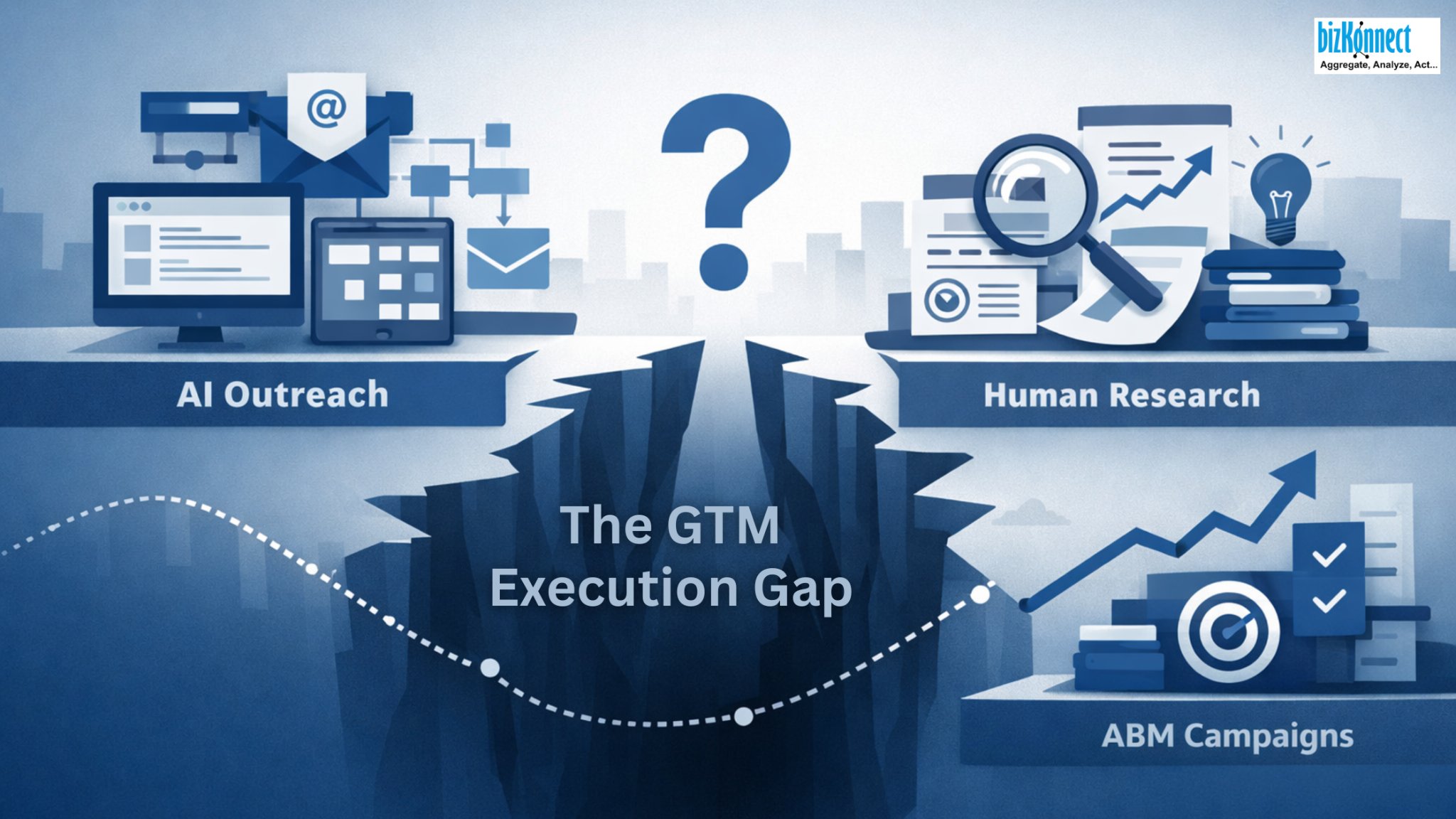


Your revenue team just integrated its 13th sales tool, yet your pipeline continues to drop. This reality represents a profound execution gap in modern go-to-market strategies.
Organizations routinely attempt to solve conversion problems by layering on modern software, only to find that more software simply creates more operational noise. The B2B AI tool explosion has given teams unprecedented access to automated workflows, but the average sales team now runs over 13 tools and still leaks pipeline.
The core problem is the absolute absence of a cohesive, foundational strategy to select, integrate, and deploy these modern systems correctly.
To maximize capital efficiency, growth leaders must look past vendor promises and separate marketing hype from operational reality. True optimization requires evaluating platforms based on standalone utility and structural fit.
By analyzing the five primary categories of the modern sales stack, ranging from data enrichment engines like Apollo, Cognism, and Seamless.ai, to conversation intelligence systems like Gong and Fireflies.ai, we can identify exactly where algorithmic automation excels and where unautomated human expertise remains entirely irreplaceable.
What Are the Best AI Tools for B2B Sales Teams?
Navigating the current software landscape requires evaluating how specific categories impact your sales funnel optimization. The market has shifted away from generalized outreach toward highly specialized, algorithmic software layers designed to automate distinct parts of the revenue engine.
1. Contact Data and Enrichment Tools
Platforms such as Apollo, Cognism, and Seamless.ai form the baseline data layer of account-based marketing. These sales intelligence platforms excel at automated data enrichment, phone verification, and tracking professional migrations.
The Hype: Seamless, infinite loops of perfectly accurate contact records delivered autonomously to your sequence.
The Reality: Data decays constantly. While these tools dramatically accelerate list-building, manual verification remains essential. Relying entirely on automated exports inevitably breaks email deliverability due to bounce rates caused by unverified addresses.
2. Intent Platforms
Systems like Bombora and 6sense analyze structural digital footprints, using web-traffic spikes, content consumption, and dark-funnel behaviors to score account interest.
The Hype: Predictive algorithms that tell you exactly who is ready to buy your product this morning.
The Reality: Intent signals indicate a topic interest, not a purchasing decision. Teams fail when they treat a generalized intent spike as an active buying trigger. The real value is in prioritization, ensuring your team contacts accounts showing active research trends before targeting completely cold profiles.
3. Autonomous AI SDRs
Emerging platforms like 11x.ai and Conversica operate as digital agents capable of parsing inbound inquiries, conducting fundamental prospect research, and managing basic outbound sequencing.
The Hype: Fully autonomous agents completely replacing the human top-of-funnel workflow.
The Reality: AI agents now handle roughly 80% of routine research, list-building, and early-stage sequencing for elite outbound teams. However, the remaining 20%, comprising creative targeting strategy, message quality control, and live conversation management, demands human intervention. The actual market winners deploy a hybrid model rather than relying on fully isolated automation.
4. Sales Engagement and Campaign Engines
Outreach and Salesloft remain the industry standard for executing multi-channel sequences across email, dialers, and social channels.
The Hype: Automated, multi-touch cadences that book qualified meetings while your reps sleep.
The Reality: When thousands of brands run identical automated templates, buyer response rates plummet. Data indicates that coordinated omnichannel sequences with 3 or more touchpoints lift response rates by 287% over single-channel blasts. Yet, if the underlying messaging lacks customized relevance, automation merely scales bad outreach faster.
5. Conversation Intelligence
Platforms like Gong and Fireflies.ai capture, transcribe, and analyze sales interactions, translating unstructured verbal conversations into objective CRM data.
The Hype: Automated scripts and behavioral trackers that instantly turn average account executives into elite closers.
The Reality: These tools are diagnostic, not therapeutic. They surface exact operational gaps such as a team-wide failure to address specific objections, but closing those gaps still requires intentional human coaching and strategic messaging alignment.
Why Is Buying More Software Slowing Your Modern Sales Funnel?
The typical guide for a trailing sales quota is to purchase another point solution. If open rates fall, companies buy an email deliverability tool; if connection rates drop, they purchase an automated dialer. This reactive framework fails because it builds structural fragmentation into the tech stack.
When software platforms do not share deep native integrations, data silos form. A behavioral intent signal captured by an account-based marketing platform may never update the record inside your campaign engine. This forces account executives to spend valuable time manually bridging the gaps between software systems.
Research shows that companies that actively consolidate their sales tech stacks see a 15% increase in sales productivity and a 20% reduction in costs.
True pipeline security requires a strict strategy:
Every tool added must directly reduce administrative friction or measurably improve your conversion mechanics. If an application requires manual data transcription or creates dashboard confusion, it is a liability, not an asset.
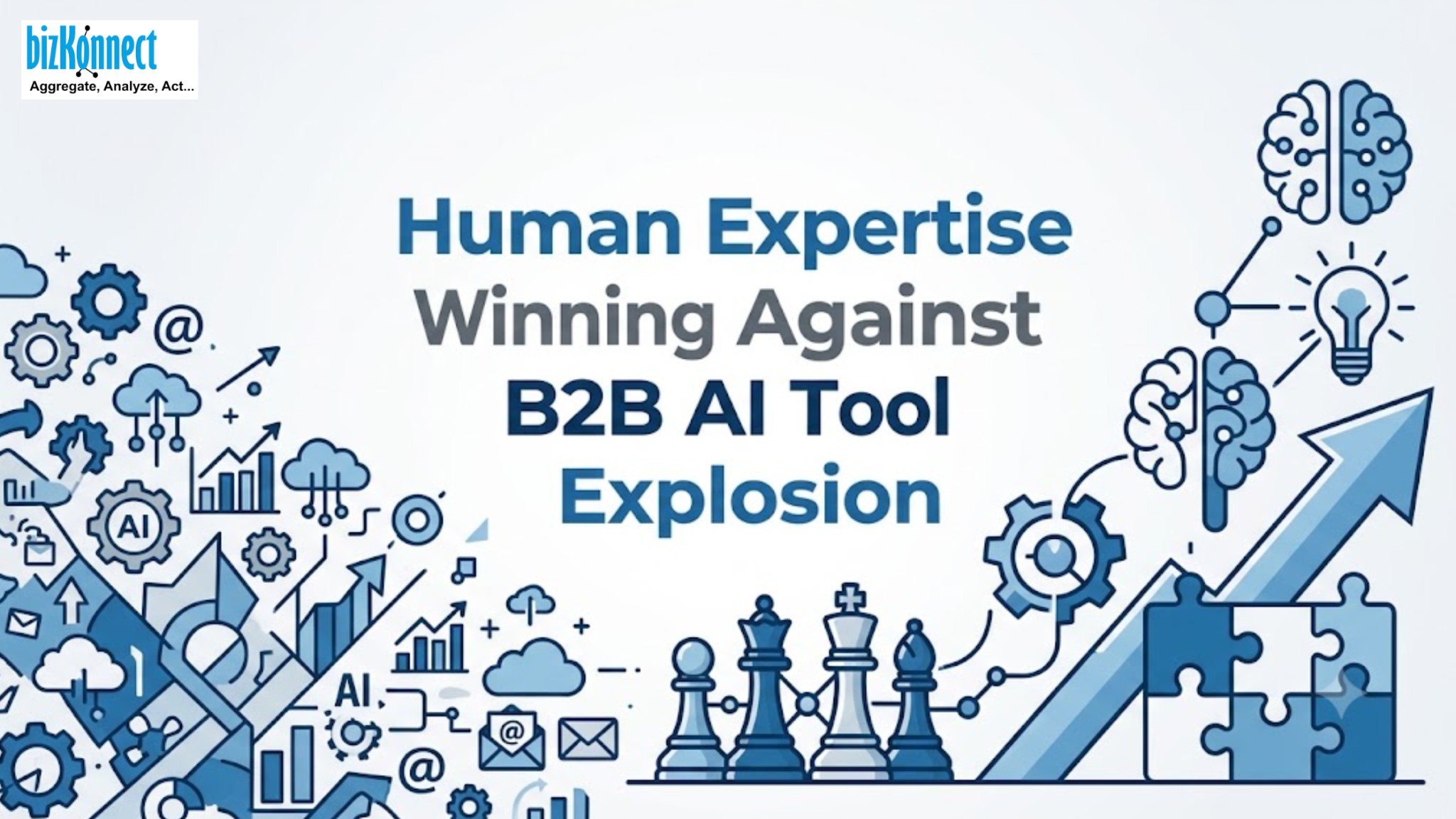
Where Does Human Expertise Still Win Against Algorithmic Automation?
While machines excel at processing high volumes of data, navigating complex enterprise sales cycles requires deep emotional intelligence and contextual nuance. Algorithmic engines cannot duplicate the creative problem-solving needed to align multiple internal stakeholders around an enterprise purchase.
The human layer remains definitive at three specific junctures:
Deciphering Context and Nuance: Automation interprets text literally. A human operator understands subtle industry shifts, conversational irony, and organizational politics that software cannot parse.
Orchestrating Complex Enterprise Solutions: Enterprise sales require building consensus across security, legal, and finance departments. An automated agent can send a pricing sheet, but it cannot navigate a complex internal procurement process.
High-Value Relationship Building: Trust is built through authentic interaction. Buyers recognize automated patterns immediately. True personalization requires a human understanding of a buyer's personal professional challenges, personal career risks, and specific corporate goals.
Let’s Address a Few Frequently Asked Questions (FAQs)
Q1. How do I know if my revenue team is running too many sales tools?
If your reps spend more time updating systems, manually cleaning contact lists, and moving data between windows than they do in live sales conversations, your stack is bloated. Operational fragmentation directly indicates that software has become an administrative burden.
Q2. Can an autonomous AI SDR completely replace human sales representatives?
No. High-performing outbound frameworks rely on a hybrid model. Algorithmic tools successfully manage data entry, basic research, and early outreach, but human oversight is required to handle complex enterprise negotiations and build long-term relationships.
Q3. What is the most effective way to prevent data decay across contact tools?
Do not rely entirely on automated data exports. Establish a process where your data layer is constantly validated by live phone testing, manual LinkedIn cross-referencing, and real-time deliverability checks before running large campaigns.
To fix a leaking sales pipeline, stop looking for answers in vendor marketplaces. Turn your focus inward to evaluate your core go-to-market strategy, consolidate your infrastructure, and ensure your automated systems directly support your human talent.
To see how specialized data strategy can streamline your sales engine, CLICK HERE to explore how BizKonnect helps teams design structured, high-conversion account fr