

Introduction
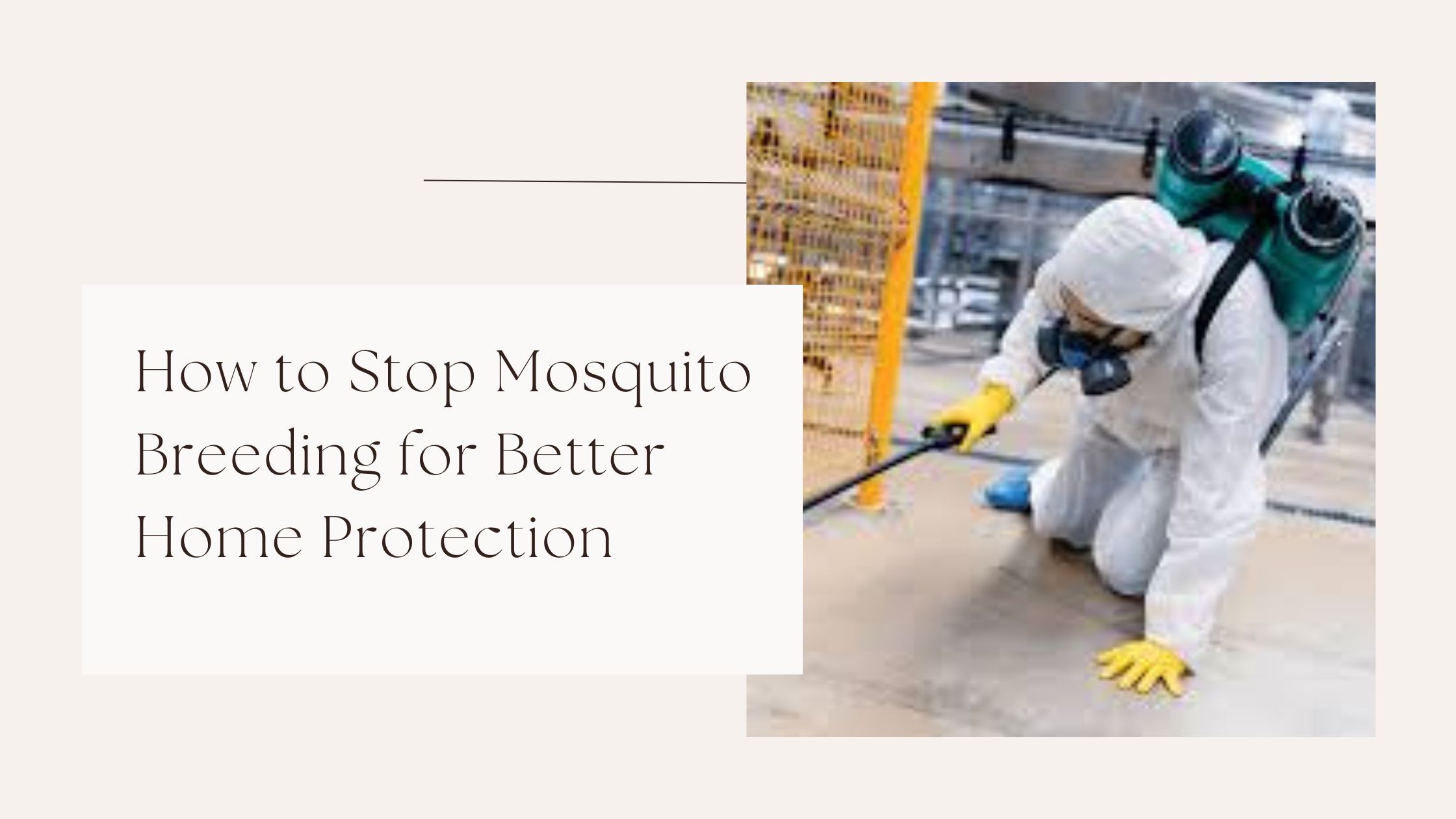
If you are wondering how to stop mosquito breeding, the answer starts right at home. Mosquitoes thrive in environments where stagnant water, moisture, and poor sanitation create ideal breeding conditions. Protecting your home from these pests is not only important for comfort but also for safeguarding your family's health. Mosquitoes are known carriers of several diseases, making prevention a crucial part of home maintenance.
Understanding how to stop mosquito breeding can significantly reduce the mosquito population around your property. While many people focus on repellents and sprays, long-term protection comes from eliminating the conditions that allow mosquitoes to reproduce. A proactive approach can help create a safer and healthier living environment for everyone.
Why Mosquito Breeding Is a Serious Concern
Mosquitoes are more than just annoying insects. They can transmit diseases that affect millions of people worldwide every year. Even a small mosquito population around a home can multiply rapidly when suitable breeding sites are available.
Female mosquitoes lay their eggs in stagnant water, and these eggs can develop into adult mosquitoes within a short period. This quick life cycle means that even a neglected container or clogged drain can become a major source of infestation. By understanding where mosquitoes breed, homeowners can take effective measures to prevent their growth.
Common Breeding Areas Around Homes
Many mosquito breeding sites are often overlooked because they seem harmless. Water accumulated in flower pots, bird baths, buckets, discarded tires, and outdoor containers can provide the perfect environment for mosquito larvae.
Roof gutters are another common breeding location. Leaves and debris can block water flow, creating stagnant pools that attract mosquitoes. Similarly, water tanks, air conditioning drip trays, and pet water bowls can become breeding grounds if not regularly maintained.
Outdoor landscaping features such as ponds and decorative fountains may also contribute to mosquito problems when water circulation is inadequate. Identifying these areas is the first step toward effective mosquito control.
Maintaining Proper Water Management
One of the most effective strategies for preventing mosquito breeding is proper water management. Any source of standing water should be removed, covered, or regularly cleaned.
Containers that collect rainwater should be emptied frequently. Water storage tanks should remain tightly sealed to prevent mosquitoes from accessing them. Gutters should be cleaned regularly to ensure water flows freely and does not accumulate.
Swimming pools must be properly maintained with functioning filtration systems. Even small amounts of stagnant water left untreated can become breeding sites. Consistent water management creates an environment where mosquitoes cannot successfully reproduce.
Keeping Indoor Spaces Protected
Although mosquito breeding typically occurs outdoors, indoor protection is equally important. Mosquitoes can enter homes through open doors, windows, and small cracks.
Installing window screens and repairing damaged mesh barriers can reduce indoor mosquito activity. Doors should fit properly to minimize entry points. Homeowners should also inspect areas where pipes and cables enter the house, sealing any gaps that could allow insects inside.
Indoor plants should be monitored carefully because excess water in trays can attract mosquitoes. Regular cleaning and proper drainage help eliminate potential breeding spots within the home.
The Role of Clean Surroundings
A clean environment plays a significant role in mosquito prevention. Cluttered outdoor areas often collect rainwater and provide shelter for insects.
Regular yard maintenance helps reduce mosquito habitats. Fallen leaves, unused containers, and debris should be removed promptly. Grass should be trimmed, and dense vegetation should be managed to reduce resting places for adult mosquitoes.
Proper waste disposal is also essential. Garbage bins should have secure lids, and recyclable materials should be stored in a way that prevents water accumulation. Clean surroundings discourage mosquito activity and contribute to overall home protection.
Using Natural Prevention Methods
Many homeowners prefer natural approaches to mosquito control. Certain plants are believed to help deter mosquitoes due to their strong scents. While these plants alone may not eliminate mosquitoes, they can complement other prevention efforts.
Maintaining proper airflow around outdoor seating areas can also reduce mosquito presence. Mosquitoes are weak flyers and tend to avoid areas with consistent air movement.
Natural solutions work best when combined with comprehensive breeding prevention strategies. Eliminating breeding sites remains the most effective long-term approach.
Seasonal Considerations for Mosquito Control
Mosquito activity often increases during warmer months when temperatures and humidity levels support rapid reproduction. Seasonal inspections are therefore important for maintaining mosquito-free surroundings.
Before the rainy season begins, homeowners should examine their property for potential water collection points. Drains, gutters, storage containers, and landscaping features should all be checked carefully.
Regular monitoring throughout the season ensures that new breeding sites do not develop unnoticed. A seasonal prevention plan helps maintain consistent protection against mosquito infestations.
Educating Family Members About Prevention
Mosquito control is most effective when everyone in the household participates. Family members should understand the importance of eliminating standing water and maintaining cleanliness.
Children can be encouraged to report containers holding water in outdoor areas. Household routines that include checking potential breeding spots can significantly reduce mosquito populations over time.
When mosquito prevention becomes a shared responsibility, maintaining a safe home environment becomes easier and more effective.
Long Term Benefits of Mosquito Prevention
Preventing mosquito breeding offers benefits beyond immediate pest control. A mosquito-free environment enhances outdoor comfort, reduces health risks, and improves overall quality of life.
Consistent prevention efforts can also decrease the need for chemical treatments and emergency pest control services. By focusing on the root cause of mosquito infestations, homeowners can achieve sustainable and cost-effective results.
Long-term mosquito management creates a healthier environment for families, pets, and visitors while protecting the value and comfort of the home.
Conclusion
Protecting homes from mosquitoes begins with understanding their breeding habits and taking action to eliminate suitable environments. Stagnant water, poor drainage, and neglected outdoor spaces provide ideal conditions for mosquito reproduction. By addressing these issues through regular maintenance, proper sanitation, and proactive inspections, homeowners can significantly reduce mosquito populations.
Learning how to stop mosquito breeding is one of the most effective ways to create a safer and healthier living space. With consistent effort and attention to detail, every household can enjoy improved protection against mosquitoes and the risks they bring.
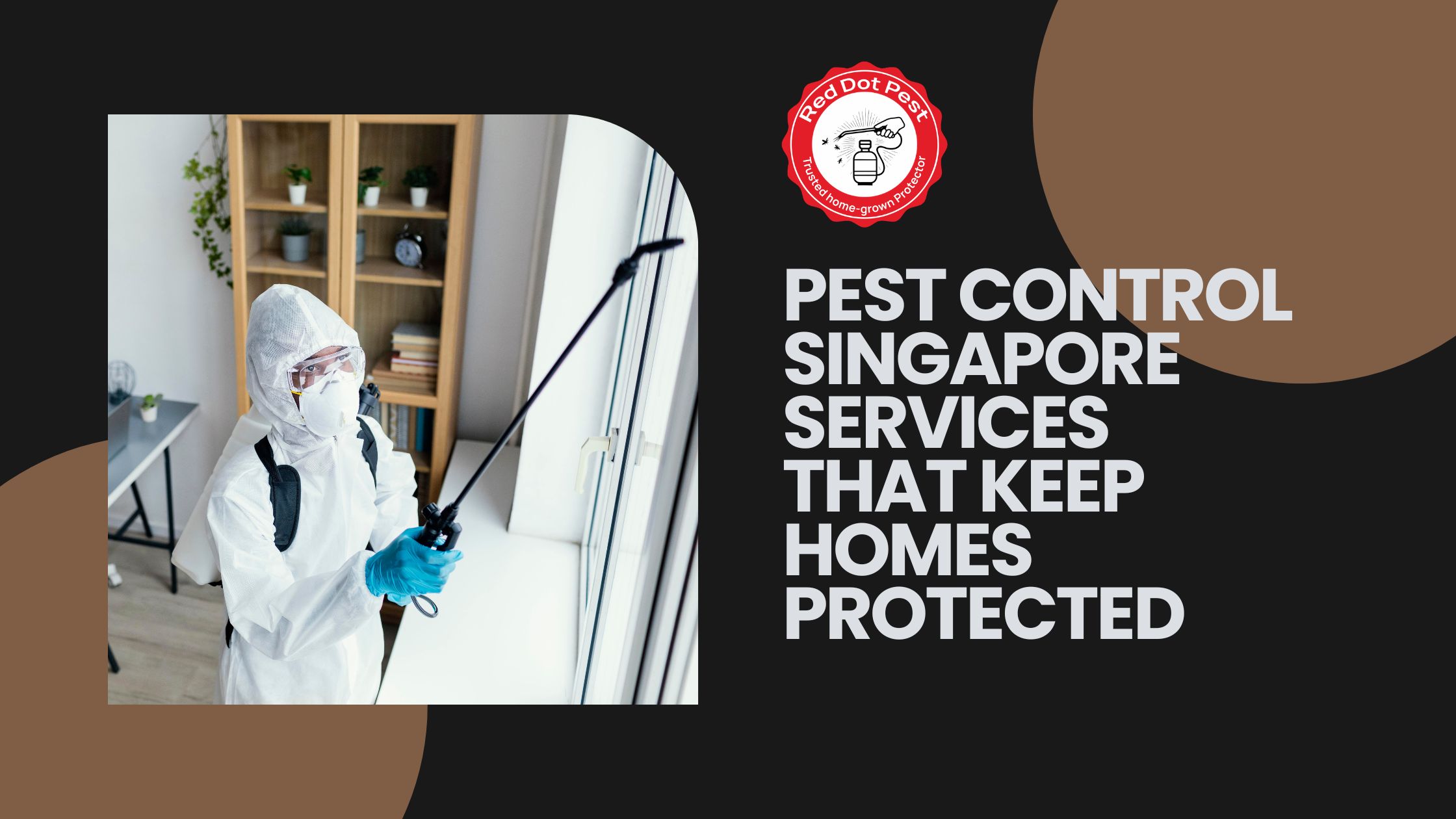
Understanding The Growing Pest Problem
Cockroach infestation singapore has become a major concern for homeowners who want to maintain a safe and hygienic living environment. Cockroach infes

Bike rental in Goa is the easiest and cheapest bike rental service in this much-loved tourist spot of India, named Goa.
Visitors in Goa refers Bike rental service, So to meet the necessity of so many people Bike rental in Goa has comes with a large number of bikes from several renowned brands.
Bike rental service in Goa is one of top demands among foreign tourists because it is altogether a different experience to explore a place all by your own.
The idea itself is adventurous.
Tourists especially foreigners love to stay in Goa for long and discover every corner of it with the help of a bike rental service.
Call us for booking 932 410 5234 or visit us at www.bikerentalingoa.in