The shoulder is the most mobile joint in the human body—and that remarkable range of motion comes at a price. No other joint is asked to do as much, in as many directions, as frequently. Whether you're throwing a ball, reaching overhead, swimming laps, or simply lifting a bag of groceries, your shoulder is working hard. And when something goes wrong, that loss of function ripples through every corner of your daily life.
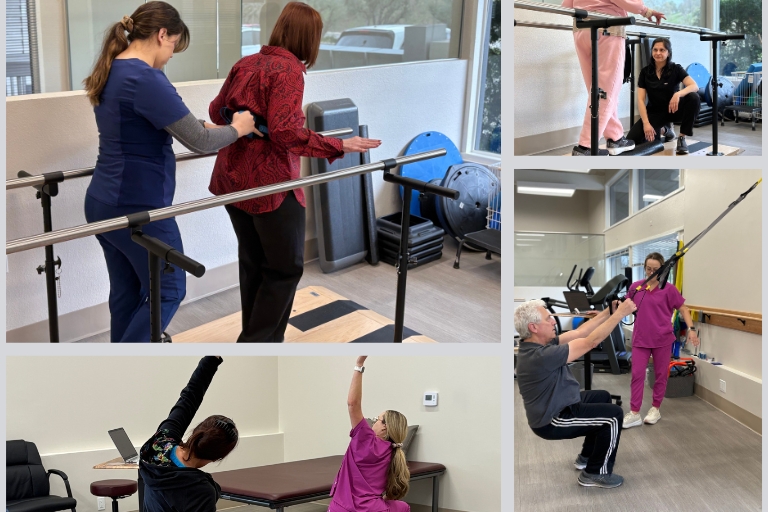
At our physical therapy clinic in Thousand Oaks, shoulder injuries are one of the most common conditions we treat—and one of the areas where skilled, hands-on physical therapy makes the most profound difference. Whether your injury is acute or has been building for years, physical therapy in Thousand Oaks at Reform PT is designed to restore your shoulder fully — not just manage the pain.
Why Shoulder Injuries Need Expert Care
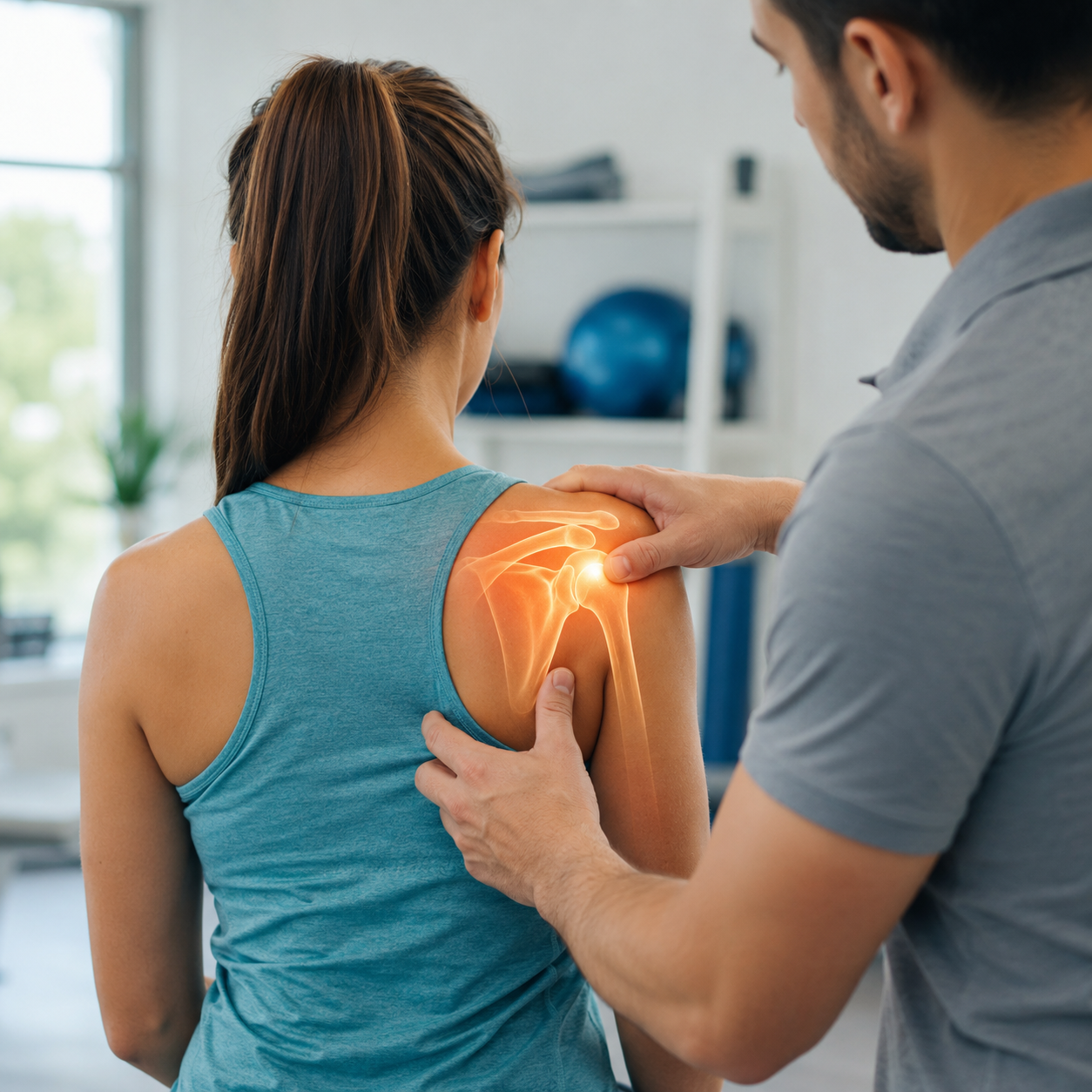
The shoulder's complexity is exactly what makes it vulnerable. It relies on a delicate balance of four rotator cuff muscles, the glenohumeral and acromioclavicular joints, the scapula, the biceps tendon, and an intricate network of ligaments and bursae—all working together seamlessly. When one component is injured or dysfunctional, the others compensate, creating patterns of overload, inflammation, and secondary damage that spread quickly if not addressed properly.
This is why rest alone rarely fixes a shoulder injury. Without restoring the underlying strength imbalances, movement patterns, and joint mechanics that contribute to the problem, most shoulder conditions return — often worse than before.
Common Shoulder Injuries We Treat
At Reform Physical Therapy in Thousand Oaks, we treat the full spectrum of shoulder conditions, including:
Rotator cuff tears and strains—partial and full thickness tears of the supraspinatus, infraspinatus, subscapularis, or teres minor
Shoulder impingement syndrome — compression of the rotator cuff and bursa beneath the acromion during overhead movement
Frozen shoulder (adhesive capsulitis)—progressive stiffening of the shoulder capsule causing severe loss of motion and chronic pain
Shoulder bursitis—inflammation of the subacromial bursa causing pain with overhead and reaching movements
Biceps tendinitis and SLAP tears—pain at the front of the shoulder from biceps tendon irritation or labral damage
Acromioclavicular (AC) joint injuries—including shoulder separations from falls or direct impact
Glenohumeral instability — recurrent shoulder dislocations and subluxations, particularly in younger athletes
Post-surgical shoulder rehabilitation — following rotator cuff repair, labral surgery, shoulder replacement, or arthroscopy
Our Approach to Shoulder Rehabilitation
At our physical therapy clinic in Thousand Oaks, shoulder rehabilitation is built around a thorough clinical assessment—evaluating not just the injured structure, but the full kinetic chain, scapular mechanics, posture, and movement patterns that influence shoulder health.
Your individualized treatment program may include:
Manual Therapy and Joint Mobilizations
Our therapists are certified in Maitland joint mobilization and functional manual therapy—applying graded, precise mobilization techniques to the glenohumeral, acromioclavicular, and sternoclavicular joints to restore normal mechanics, reduce pain, and improve range of motion. For frozen shoulder patients, capsular stretching and joint mobilization are central to breaking the adhesive cycle.
Soft Tissue Mobilization and Myofascial Release
Shoulder injuries create significant soft tissue restriction around the rotator cuff muscles, biceps, pectorals, and posterior capsule. Our hands-on soft tissue techniques break down adhesions, restore tissue extensibility, and reduce pain—creating the conditions for exercise to be far more effective.
Rotator Cuff and Scapular Strengthening
The foundation of shoulder rehabilitation is restoring the strength and coordination of the rotator cuff and scapular stabilizers. We design progressive, evidence-based strengthening programs that rebuild the muscular support your shoulder needs—without aggravating the injured structures during the process.
Kinesiotaping
Our certified Kinesiotaping therapists apply elastic therapeutic tape to offload the rotator cuff, support the acromioclavicular joint, and facilitate proper scapular positioning—providing pain relief and movement support between clinic sessions.
PNF Techniques
Our certified PNF (Proprioceptive Neuromuscular Facilitation) approach retrains the neuromuscular coordination of the shoulder complex—restoring the precise timing and sequencing of muscle activation that shoulder function demands, which is particularly valuable for athletes and post-surgical patients.
Sport-Specific Functional Training
For athletes returning to throwing, swimming, tennis, or overhead sport, the final phase of rehabilitation bridges the gap between clinical recovery and sport performance. We develop sport-specific programs that progressively load the shoulder through the exact movement patterns your sport demands, ensuring a safe, confident return.
Why Choose Reform PT for Shoulder Care
Reform Physical Therapy has 18 years of experience treating shoulder injuries across the Conejo Valley—from student-athletes with glenohumeral instability to seniors recovering from rotator cuff surgery. Our physical therapy clinic in Thousand Oaks offers:
One-on-one care with a licensed therapist every session
Certifications in Maitland joint mobilization, PNF, Kinesiotaping, and Functional Manual Therapy
Experience across all shoulder conditions and all activity levels
Post-surgical rehabilitation coordinated with your orthopaedic surgeon
In-clinic and telehealth options for flexibility
Two locations—Thousand Oaks and Camarillo
Start Your Recovery Today
A shoulder injury doesn't have to mean months of pain or a surgical outcome. With the right rehabilitation, most shoulder conditions respond exceptionally well to physical therapy in Thousand Oaks — and our team is ready to prove that to you.
📞 (805) 383-0470
📧 office@reformpt.life
📍 850 Hampshire Rd A, Thousand Oaks, CA 91361
Book your appointment online — and take the first step toward a pain-free shoulder.