

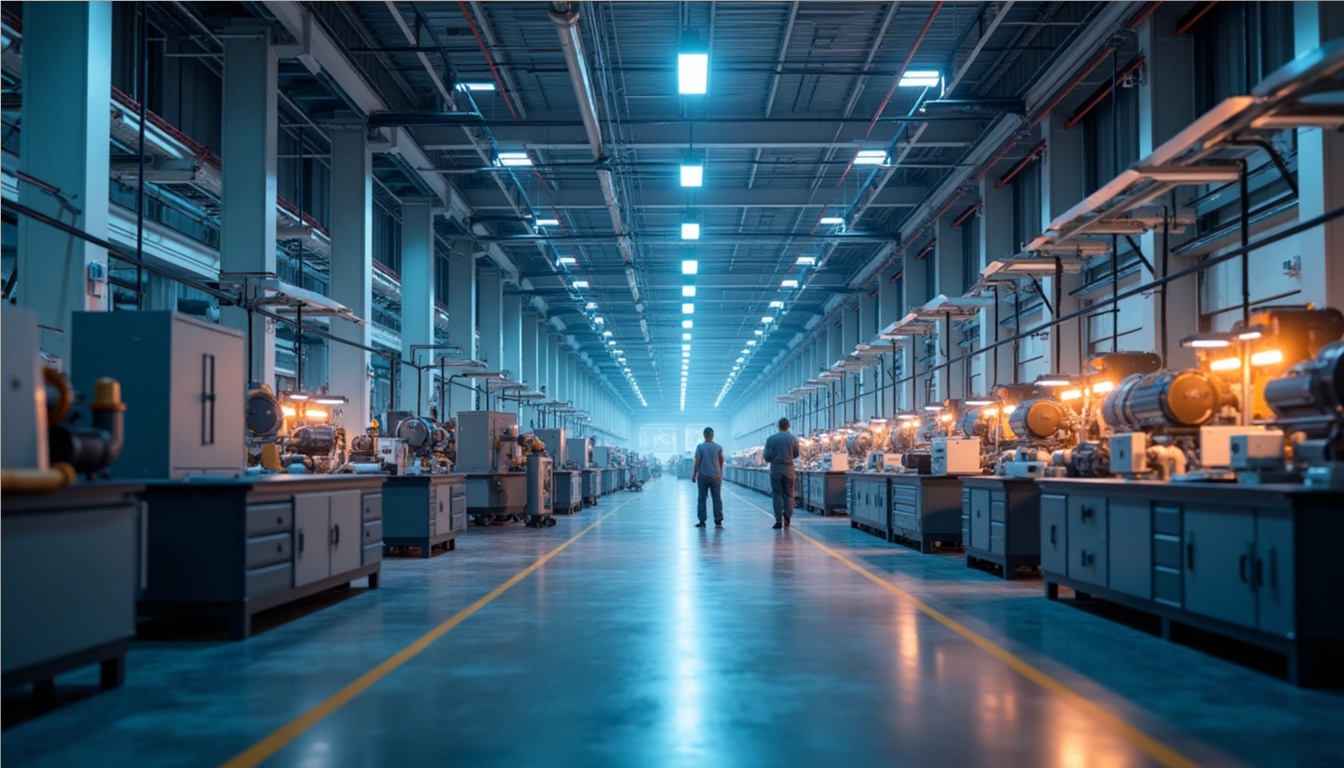
The UK’s nuclear sector is undergoing a significant transformation. As the country accelerates its journey towards net zero, nuclear energy is increasingly recognised as a stable, low-carbon source of baseload power. Alongside new nuclear projects and the extension of existing facilities, there is a growing demand for highly advanced manufacturing capabilities that can meet the sector’s exacting standards.
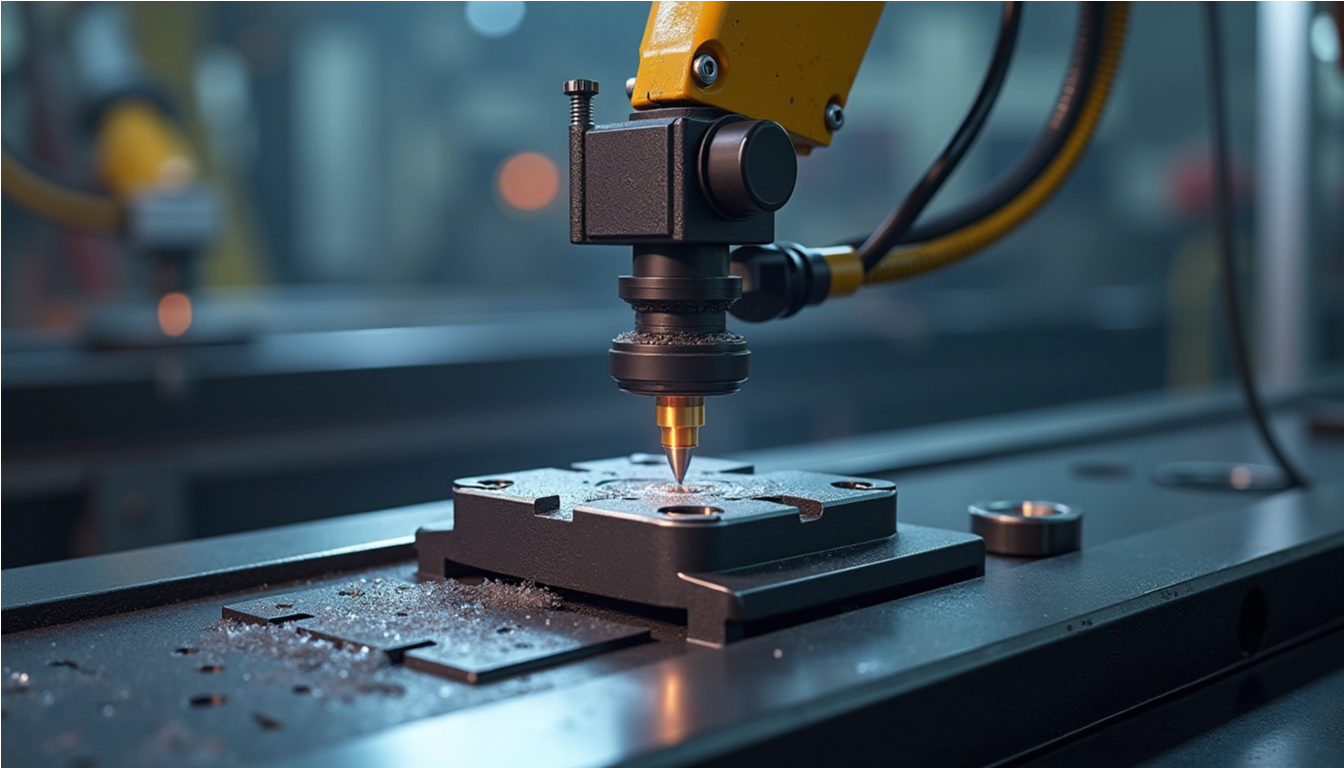
At the centre of this manufacturing evolution is advanced CNC machining. Far from being a traditional subtractive process, modern CNC (Computer Numerical Control) technology has become a cornerstone of precision engineering, enabling the production of complex, safety-critical components required in nuclear environments.
As the sector evolves, CNC machining is playing a vital role not only in improving manufacturing efficiency but also in supporting innovation and the UK’s wider decarbonisation strategy.
The Role Of Nuclear Energy In The UK’s Decarbonisation Strategy
Nuclear power is a key component of the UK’s long-term energy roadmap. Unlike intermittent renewable sources, nuclear provides consistent, low-carbon electricity generation, making it essential for maintaining grid stability as fossil fuels are phased out.
Government strategies, including commitments outlined by the Department for Energy Security and Net Zero, highlight the importance of expanding nuclear capacity alongside offshore wind, solar, and emerging technologies such as hydrogen.
This expansion places increased pressure on the supply chain to deliver components that meet exceptionally high standards of safety, durability, and precision. Every part used in a nuclear facility must perform reliably under extreme conditions over long operational lifespans.
This is where advanced CNC machining becomes indispensable.
Why CNC Machining Is Essential For Nuclear Manufacturing
CNC machining enables the production of components with extremely tight tolerances, often measured in microns. In the nuclear sector, this level of precision is not optional — it is fundamental to safety and performance.
Components used in reactors, containment systems, cooling systems, and control mechanisms must meet strict dimensional and material specifications. Even minor deviations can compromise system integrity or reduce operational efficiency.
Advanced CNC machining supports nuclear manufacturing by delivering:
• Exceptional dimensional accuracy
• Repeatable high-volume production
• Compatibility with high-performance materials
• Reduced human error through automation
• Enhanced traceability and process control
These capabilities are particularly important in a regulated environment where every component must be fully documented, tested, and validated.
Supporting Complex Component Design And Innovation
Modern nuclear systems are becoming increasingly complex, particularly with the development of Small Modular Reactors (SMRs) and next-generation reactor technologies. These designs require components with intricate geometries that would be extremely difficult to produce using conventional manufacturing methods.
Multi-axis CNC machining allows engineers to produce highly complex parts in a single setup, reducing the need for multiple operations and minimising the risk of alignment errors. This capability not only improves accuracy but also enhances production efficiency.
In addition, CNC machining supports rapid prototyping of nuclear components, enabling engineers to test and refine designs before committing to full-scale production. This iterative capability is essential for innovation, particularly in a sector where safety and performance requirements are exceptionally high.
Material Performance And Nuclear Standards
The nuclear environment places extreme demands on materials. Components must withstand high temperatures, radiation exposure, and long-term mechanical stress without degradation.
CNC machining is uniquely suited to working with these advanced materials, including stainless steels, titanium alloys, and specialised nickel-based superalloys. These materials are often difficult to machine due to their hardness and thermal properties, but modern CNC systems equipped with advanced tooling and cooling strategies can achieve precise results consistently.
Material traceability is also critical in the nuclear sector. Every component must be fully documented from raw material sourcing through to final machining and inspection. CNC systems support this requirement through digital records and integrated quality management systems, ensuring full compliance with nuclear regulatory frameworks.
In the UK, this aligns with oversight from bodies such as the Office for Nuclear Regulation (ONR), which enforces strict standards for safety, security, and environmental protection.
Improving Manufacturing Efficiency In A Highly Regulated Sector
While safety and precision are the top priorities in nuclear manufacturing, efficiency remains increasingly important. Projects such as Hinkley Point C and future SMR developments require large volumes of components delivered on tight schedules.
Advanced CNC machining contributes to improved efficiency in several ways. Automation reduces the need for manual intervention, allowing machines to operate continuously with minimal downtime. Multi-operation machining reduces the number of production steps required, while digital programming ensures rapid design changes can be implemented without significant delays.
This combination of speed and precision helps reduce lead times across the supply chain, supporting the timely delivery of critical infrastructure projects.
Digital Manufacturing And Industry 4.0 Integration
The future of CNC machining in the nuclear sector is closely tied to digital manufacturing and Industry 4.0 technologies. Modern CNC systems are increasingly connected through industrial networks, enabling real-time monitoring, predictive maintenance, and data-driven optimisation.
By collecting and analysing machining data, manufacturers can identify inefficiencies, reduce waste, and improve tool life. Predictive maintenance systems can detect early signs of equipment wear, preventing unexpected downtime and ensuring consistent production output.
This level of digital integration is particularly valuable in the nuclear sector, where reliability and traceability are essential.
Supporting The UK’s Industrial Strategy And Supply Chain Resilience
The UK government has placed significant emphasis on strengthening domestic manufacturing capabilities, particularly in critical sectors such as energy. Advanced CNC machining plays a key role in supporting this objective by enabling high-value, precision manufacturing to take place within the UK.
By developing strong domestic supply chains, the nuclear sector can reduce reliance on overseas suppliers, improve quality control, and enhance national resilience. This is especially important for components that require strict regulatory compliance and long-term availability of spare parts.
CNC machining also supports skills development within the UK engineering workforce, encouraging investment in advanced manufacturing technologies and technical training.
Reducing Carbon Emissions With Advanced CNC Machining
As the UK continues its transition towards a low-carbon energy system, nuclear power will remain a vital component of the national energy mix. Meeting the demands of this expanding sector requires manufacturing technologies capable of delivering exceptional precision, reliability, and scalability.
Advanced CNC machining is central to this capability. It enables the production of complex, high-integrity components, supports innovation in reactor design, and ensures compliance with some of the most stringent regulatory standards in engineering.
Beyond its technical capabilities, CNC machining also plays a broader role in supporting the UK’s decarbonisation goals and strengthening domestic manufacturing resilience. As nuclear technology continues to evolve, so too will the role of precision machining — driving efficiency, innovation, and sustainability across the sector.