


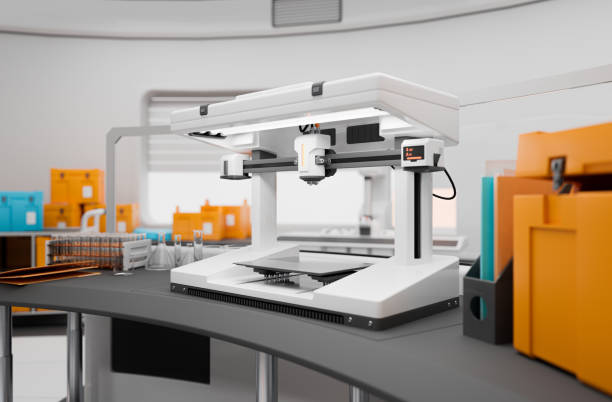
The combination of 3D scanning and 3D printing has transformed how people design, create, and manufacture products. What once required extensive modeling skills and countless hours of manual work can now be accomplished through a streamlined digital workflow. At the center of this transformation is the 3d printer scanner, a tool that helps bridge the gap between physical objects and digital creation.
Today, designers, engineers, manufacturers, artists, and hobbyists are using scanning technology to capture real-world objects and convert them into highly accurate digital models. These models can then be modified, improved, and brought back into the physical world through 3D printing.
As scanning technology continues to evolve in 2026, scan-to-print workflows are redefining both precision and creativity, opening new opportunities across industries and creative fields.
Understanding the Scan-to-Print Process
Traditional 3D design often begins with creating a model from scratch using CAD software. While effective, this process can take significant time, especially when dealing with complex shapes and detailed surfaces.
A modern scanning workflow simplifies the process considerably.
The typical workflow looks like this:
Scan → Edit → Print → Improve
Using a scanner, a physical object can be captured and transformed into a digital model. That model can then be adjusted, customized, repaired, or enhanced before being sent to a 3D printer.
This approach reduces manual modeling work and helps users move from concept to finished product much faster.
Why Precision Matters in 3D Printing
Successful 3D printing depends heavily on accurate digital models. Even small errors in measurements can lead to poor-fitting parts, failed prints, or products that do not function as intended.
A 3d printer scanner captures the exact geometry of an object, creating a digital representation that closely matches the original item.
This level of accuracy provides several advantages:
- Improved print quality
- Better-fitting components
- Reduced design errors
- More reliable prototypes
- Greater consistency during production
By starting with accurate scan data, creators can produce better results while minimizing costly mistakes.
Turning Real Objects into Digital Assets
One of the most exciting aspects of scan-to-print workflows is the ability to transform real-world objects into editable digital assets.
Almost any object can become the starting point for a new project. Designers can scan prototypes, engineers can capture machine parts, and artists can digitize sculptures or handmade creations.
Once scanned, the digital model can be:
- Modified and improved
- Resized or reshaped
- Combined with other designs
- Customized for specific applications
- Prepared for manufacturing or printing
- This flexibility gives creators more freedom to experiment and innovate.
- Accelerating Product Development
Modern product development relies on rapid iteration. Designers often create multiple versions of a product before finalizing the design.
Scanning technology makes this process significantly faster.
A prototype can be scanned, edited digitally, and printed again in a short amount of time. Instead of rebuilding every version manually, creators can refine existing models and focus on making improvements.
This accelerated workflow helps businesses:
Reduce development time
Improve communication between teams
Lower design costs
Test ideas more efficiently
Bring products to market faster
For companies operating in competitive industries, these advantages can make a significant difference.
The Role of 3D Printer Scanner
As scan-to-print workflows become more common, the demand for reliable scanning solutions continues to grow.
A high-quality 3d scanner for 3d printer workflow allows users to capture detailed geometry and convert it into printable models with minimal effort.
The best scanning solutions provide:
- High-resolution data capture
- Accurate dimensional measurements
- Fast processing speeds
- Easy integration with design software
- Compatibility with 3D printing workflows
These capabilities help users achieve professional-quality results while simplifying the overall creation process.
Reverse Engineering Made Easier
Reverse engineering is one of the most valuable applications of scanning and printing technology.
In many industries, physical parts exist without available digital design files. Recreating these components manually can be difficult and time-consuming.
With a 3d scanner for 3d printer, engineers can capture the part, create a digital model, and reproduce it through manufacturing or 3D printing.
This approach is commonly used for:
- Replacing damaged components
- Reproducing discontinued parts
- Updating older designs
- Creating custom modifications
- Improving existing products
The result is a faster and more efficient reverse engineering process.
Revopoint and Modern Scan-to-Print Solutions
As scanning technology continues to advance, Revopoint is helping users integrate scanning and printing into a single efficient workflow.
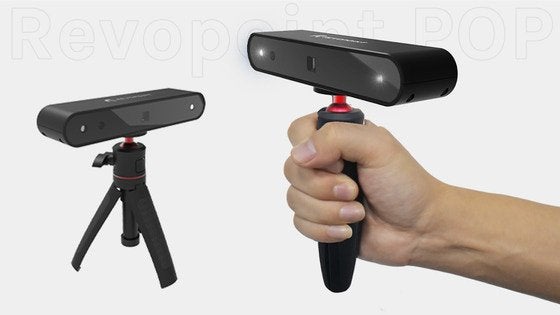
At Revopoint, users can explore a range of portable and high-precision scanning solutions designed for creators, engineers, designers, manufacturers, and 3D printing enthusiasts.
Revopoint scanners are known for combining accuracy, portability, and ease of use. Their solutions support applications such as product development, reverse engineering, inspection, digital design, and 3D printing.
Key features often include:
- High-resolution scanning capabilities
- Real-time tracking technology
- Portable handheld designs
- Compatibility with CAD software
- Seamless integration with 3D printing workflows
These features help users move from physical objects to printable digital models more efficiently.
Expanding Creative Possibilities
The impact of scan-to-print technology extends beyond engineering and manufacturing.
Artists can digitize sculptures and create scaled reproductions. Hobbyists can customize everyday objects and transform them into unique creations. Designers can experiment with organic shapes that would be difficult to model manually.
By combining real-world inspiration with digital flexibility, scanning technology encourages creativity and innovation in ways that were previously difficult to achieve.
Final Thoughts
The connection between 3D scanning and 3D printing is transforming the way people create, design, and manufacture products. A 3d printer scanner enables users to capture real-world objects with impressive accuracy and convert them into editable digital models.
By combining precision, speed, and flexibility, a powerful 3d printer scanner helps creators streamline development, improve product quality, and explore new creative possibilities. With advanced solutions from Revopoint, scan-to-print technology is redefining what is possible in modern design, prototyping, and manufacturing.

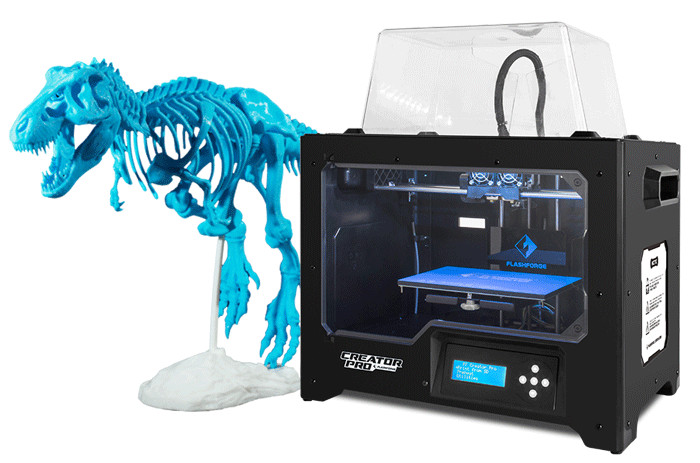
Find Quality 3D Scanner Printer and its products from Verified Suppliers?
Get the best deal now at 3D Printer Gear, have a huge collection of cheap 3D scanners printers for your 3D printing applications from our store at 3D Printer Gear.