 Joint pain, tendon injuries, and chronic inflammation do not always require surgery or long-term medication. Platelet rich plasma therapy is a minimally invasive regenerative treatment that uses your own blood to accelerate healing at the cellular level. It has gained significant traction in sports medicine and orthopedics because of its natural approach and broad applicability. If your doctor has mentioned PRP as an option — or you are exploring alternatives to surgery — this guide walks you through exactly how it works and what to expect.
What Is Platelet Rich Plasma Therapy?
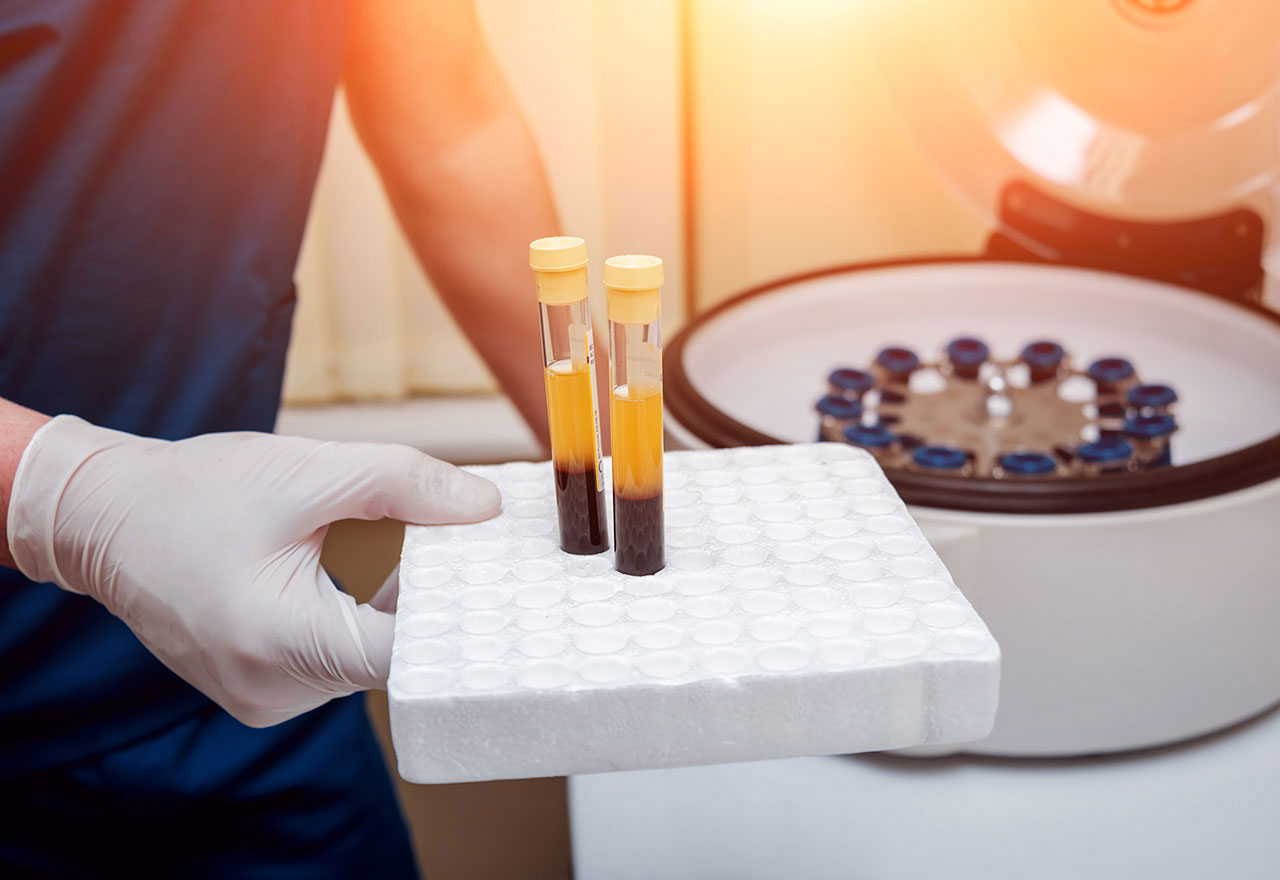
Platelets are tiny blood cells that play a critical role in healing. They contain growth factors — proteins that signal the body to repair damaged tissue, reduce inflammation, and stimulate new cell growth. Platelet rich plasma (PRP) is created by drawing a small sample of your blood, spinning it in a centrifuge to concentrate the platelets, and injecting that concentrated solution directly into the injured area. The result is a highly targeted delivery of healing signals right where your body needs them most.
Step 1: Determine If You Are a Candidate
PRP therapy works well for a range of conditions, but it is not a universal solution. Your provider will assess your suitability based on your diagnosis, overall health, and treatment history. PRP is commonly used for:
• Tendinopathies such as tennis elbow, Achilles tendinitis, and rotator cuff tendinosis
• Partial ligament and muscle tears
• Knee osteoarthritis and cartilage degeneration
• Chronic shoulder, hip, or knee pain that has not responded to conservative care
Patients with active infections, blood disorders, or those on certain medications may not be suitable candidates. A thorough clinical evaluation will clarify this.
Step 2: Prepare for Your PRP Appointment
Preparation is simple but important for maximising the effectiveness of the treatment. Your provider will typically advise you to:
• Stay well hydrated in the days leading up to your appointment
• Avoid anti-inflammatory medications (NSAIDs like ibuprofen) for at least 1 week before the procedure, as these can reduce platelet activity
• Avoid corticosteroid injections in the weeks prior, as they interfere with the healing response
• Eat a light meal before the appointment and wear comfortable, loose clothing
Step 3: The PRP Procedure — What Happens on the Day
The entire process typically takes 45 to 60 minutes and is performed in an outpatient setting. Here is what to expect:
• A small amount of blood (usually 20 to 60 ml) is drawn from your arm
• The blood is placed into a centrifuge, which spins it to separate and concentrate the platelets
• The resulting PRP solution is prepared for injection — sometimes with ultrasound guidance for precise delivery
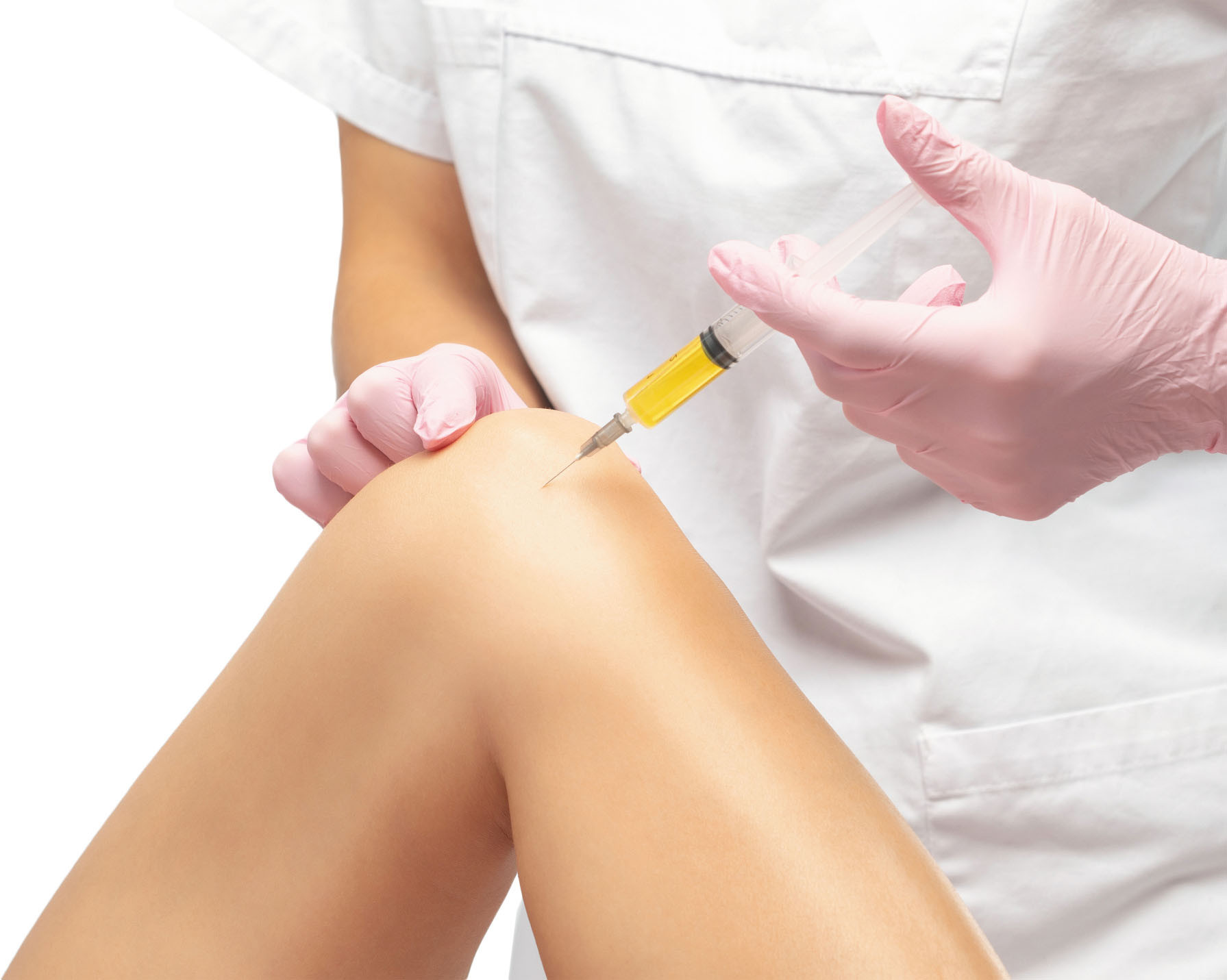
• The treatment area is cleaned and numbed, and the PRP is injected directly into the targeted tissue
The injection itself takes only a few minutes. Some patients feel mild pressure or temporary discomfort at the site, which passes quickly.
Step 4: Recovery and What to Expect After Treatment
PRP therapy involves minimal downtime, but the healing process takes time. Here is a typical recovery timeline:
• Day 1 to 3: Mild soreness or swelling at the injection site is normal and expected — this is part of the inflammatory healing response
• Week 1 to 2: Avoid strenuous activity; light movement and gentle stretching are encouraged
• Week 3 to 6: Many patients begin to notice gradual improvement in pain and function as tissue repair progresses
• Month 2 to 3: Full benefits of PRP typically become apparent; a follow-up session may be recommended depending on your condition
Avoid NSAIDs and corticosteroids during recovery, as they can blunt the platelet activity and slow healing.
Conclusion
For patients dealing with joint pain, tendon injuries, or chronic musculoskeletal conditions, platelet rich plasma therapy offers a science-backed, non-surgical path to recovery. By harnessing your body's own healing mechanisms, PRP supports tissue repair without the risks or downtime associated with surgery.
If you want to find out whether PRP therapy is the right option for your condition, schedule a consultation with RevitaLife Miami today