


Rural health clinics provide essential medical care to patients who may have limited access to healthcare services. To receive payments from Medicare, Medicaid, and commercial insurance companies, these clinics must complete provider credentialing and payer enrollment before treating insured patients. Many organizations rely on Trusted Rural Health Credentialing Services to simplify this process and reduce delays that can affect patient care and revenue.
Getting in-network quickly is important for every rural clinic. Delayed credentialing can lead to claim denials, postponed reimbursements, and lost income. By understanding the enrollment process and following proven best practices, rural clinics can complete credentialing faster, improve cash flow, and begin serving more patients sooner.
Understanding Rural Health Credentialing
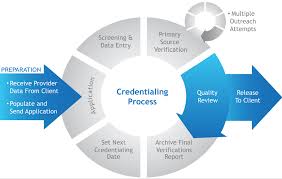
Credentialing is the process insurance companies use to verify that healthcare providers meet professional and legal requirements. During this process, payers review provider licenses, education, certifications, work history, malpractice insurance, and other important documents.
After credentialing is complete, providers must also finish payer enrollment before claims can be submitted. Both steps are required before a clinic can receive reimbursement for covered healthcare services.
Why Speed Matters
The longer a clinic waits for credentialing approval, the longer it must wait to receive insurance payments. Even if patients are ready to schedule appointments, the clinic may not be able to bill insurance until enrollment is complete.
Faster credentialing improves cash flow and allows providers to begin caring for patients without unnecessary financial delays. It also helps clinics build stronger relationships with insurance companies and referring providers.
Start Credentialing Before Opening
One of the best ways to save time is to begin credentialing as early as possible. Clinics should not wait until they open their doors or hire new providers before starting enrollment applications.
Beginning the process several months in advance gives insurance companies enough time to review applications. Early preparation also reduces the chance of delayed revenue after the clinic begins seeing patients.
Keep Provider Documents Organized
Many credentialing delays happen because required documents are missing or outdated. Clinics should keep licenses, certifications, malpractice insurance, National Provider Identifier (NPI) information, and employment records in one secure location.
Organized records make it easier to complete applications accurately. They also allow clinics to respond quickly when insurance companies request additional information.
Maintain Accurate CAQH Profiles
Many commercial insurance companies use CAQH to review provider information during credentialing. An incomplete or outdated CAQH profile often leads to processing delays.
Providers should regularly update licenses, certifications, practice addresses, and contact information in CAQH. Accurate records help insurance companies complete verification more efficiently.
Apply to Multiple Payers at the Same Time
Many rural clinics serve patients with different insurance plans. Instead of waiting for one payer to approve enrollment before applying to another, clinics can often submit applications to multiple insurance companies at the same time.
This approach shortens the overall enrollment timeline and helps clinics become in-network with several payers more quickly. A broader payer network also increases patient access and revenue opportunities.
Respond Quickly to Payer Requests
Insurance companies frequently request additional documents or clarification during the credentialing process. Delayed responses can leave applications waiting for weeks.
Clinics should assign someone to monitor emails, payer portals, and phone messages regularly. Responding quickly helps keep applications moving and prevents unnecessary delays.
Avoid Common Credentialing Mistakes
Small mistakes can slow down the entire enrollment process. Incorrect provider names, outdated addresses, missing signatures, or incomplete forms often require additional review.
Before submitting applications, clinics should carefully check every document for accuracy. A thorough review can prevent many common credentialing problems.
Track Every Application
Managing multiple enrollment applications can become difficult without a tracking system. Clinics should record submission dates, payer contacts, requested documents, and expected approval timelines.
A simple tracking spreadsheet or credentialing software helps staff follow up regularly and quickly identify applications that need attention.
How Faster Credentialing Improves Revenue
When providers become in-network sooner, they can begin billing insurance companies without unnecessary delays. Faster enrollment means claims are submitted earlier, payments arrive sooner, and cash flow improves.
Reducing credentialing delays also lowers the risk of claim denials caused by inactive provider enrollment. This helps protect clinic revenue and supports long-term financial stability.
How Trusted Rural Health Credentialing Services Can Help
Managing credentialing requires time, organization, and knowledge of payer requirements. Professional Trusted Rural Health Credentialing Services help clinics prepare applications, gather documents, communicate with insurance companies, and monitor enrollment progress.
Credentialing specialists understand common payer requirements and can identify problems before they delay approval. Their expertise reduces administrative work and helps rural clinics join insurance networks more efficiently.
Maintain Credentialing After Approval
Credentialing continues after a provider is approved. Clinics must keep licenses, certifications, malpractice insurance, and enrollment information updated to remain eligible for reimbursement.
Insurance companies also require periodic recredentialing. Monitoring renewal dates and maintaining accurate records helps clinics avoid payment interruptions and remain active in payer networks.
Conclusion
Getting in-network quickly is one of the best ways for rural health clinics to improve patient access and strengthen financial performance. Early preparation, organized documentation, accurate applications, and consistent follow-up all play an important role in speeding up credentialing.
By following these best practices and working with experienced Trusted Rural Health Credentialing Services, rural clinics can reduce enrollment delays, avoid claim denials, improve cash flow, and focus on delivering quality healthcare to the communities they serve.