



Every business reaches a point were spreadsheets, manual processes, or generic software stop being enough. That's usually when questions about mobile apps begin. Should you build one? Do you really need custom development? And what exactly does a Mobile App Developer do behind the scenes?
The answer is more interesting than simply writing code. A developer turns ideas into products people can actually use. They solve business problems, improve customer experiences, and build applications that continue delivering value long after launch. If you're deciding between custom development and off-the-shelf software, understanding their role is the first step toward making a smart investment.
Understanding the Role of a Mobile App Developer
A mobile app developer is responsible for designing, building, testing, and maintaining applications that run on smartphones and tablets. These professionals transform business ideas into functional, user-friendly mobile applications that work across platforms such as Android and iOS.
Their work goes far beyond writing code. They collaborate with designers, business stakeholders, quality assurance teams, and project managers to deliver applications that solve real business problems while providing an excellent user experience.
Whether you're building a customer-facing app or an internal business solution, the developer plays a critical role in ensuring the application performs efficiently, remains secure, and can scale as your business grows.
Key Responsibilities of Mobile App Developers
The day-to-day responsibilities of mobile app developers include several important tasks throughout the software development lifecycle.
1: Understanding Business Requirements
Every successful mobile application starts with understanding the business objective. Developers work closely with stakeholders to identify goals, user expectations, required features, and technical requirements before development begins.
This planning phase helps reduce costly changes later in the project.
2: Designing the Application Architecture
Developers create the technical foundation of the application. They determine how different components will work together, how data will be stored, and how the app will communicate with external systems such as payment gateways, CRM software, or cloud services.
A strong architecture ensures better performance, security, and scalability.
3: Writing Clean and Efficient Code
The core responsibility of a mobile software developer is creating reliable, maintainable code. This includes building user interfaces, implementing business logic, integrating APIs, and ensuring the application performs smoothly across various devices.
Good coding practices also make future updates faster and more cost-effective.
4: Testing and Quality Assurance
Before an application reaches users, developers perform extensive testing to identify bugs, improve performance, and ensure compatibility with different devices and operating systems.
Testing often includes:
• Functional testing
• Performance testing
• Security testing
• User experience testing
• Device compatibility testing
This process helps deliver a stable and reliable application.
5: Deployment and Maintenance
Launching the app is only the beginning. Developers continue monitoring performance, fixing bugs, releasing updates, and adding new features based on user feedback and evolving business needs.
Ongoing maintenance keeps the application secure and competitive.
Skills Every Professional App Developer Should Have
An experienced developer combines technical expertise with problem-solving abilities.
Some essential skills include:
• Programming languages like Swift, Kotlin, Java, Flutter, or React Native
• API integration
• Database management
• Cloud platform knowledge
• UI/UX implementation
• Security best practices
• Performance optimization
• Version control systems such as Git
Equally important are communication skills, project collaboration, and the ability to understand business objectives rather than focusing solely on technical requirements.
Custom App Development vs. Off-the-Shelf Software
One common question business owner ask is whether they should hire developers to build a custom application or purchase an existing software solution.
Here's a simple comparison.
Custom Mobile App:
• Built specifically for your business
• Highly customizable
• Scales with business growth
• Higher initial investment
• Long-term competitive advantage
Off-the-Shelf Software:
• Designed for a broad audience
• Limited customization
• May require expensive upgrades
• Lower upfront cost
• Faster implementation
If your business processes are unique or you expect significant growth, investing in custom development often provides greater long-term value.
On the other hand, businesses with standard operational needs and limited budgets may benefit from ready-made software solutions that can be implemented quickly.
How Mobile Apps Support SaaS Businesses
Many SaaS companies extend their web platforms through mobile applications.
Instead of replacing SaaS products, mobile apps complement them by allowing customers to access services anytime and anywhere.
Examples include:
• CRM platforms
• Project management tools
• Healthcare applications
• Financial services
• E-commerce platforms
• Learning management systems
For SaaS businesses, a mobile application can improve customer engagement, increase retention, and create additional revenue opportunities.
When Should You Hire a Mobile App Development Team?
Hiring professional developers makes sense if your business plans to:
• Launch a new digital product
• Improve customer engagement
• Automate internal workflows
• Expand into mobile commerce
• Offer subscription-based services
• Build a scalable SaaS platform
A dedicated development team can also help validate your idea before investing heavily in full-scale development.
Questions to Ask Before Starting App Development
Before beginning any project, consider these important questions:
• What business problem will the app solve?
• Who are the target users?
• What features are essential for the first version?
• What is the available budget?
• Will the application need future integrations?
• How will the app generate business value?
Answering these questions early helps define project priorities and reduces unnecessary development costs.
Choosing the Right Development Partner
Not every development company offers the same level of expertise.
When evaluating potential partners, look for:
• Relevant industry experience
• Strong portfolio
• Transparent development process
• Clear communication
• Post-launch support
• Scalable development capabilities
• Positive client testimonials
A reliable partner focuses on understanding your business objectives instead of simply delivering code.
Final Thoughts
Understanding what a mobile app developer actually does helps business owners make smarter technology investments. From planning and architecture to development, testing, deployment, and ongoing maintenance, these professionals play an essential role in turning business ideas into successful digital products.
Whether you're considering a customer-facing application, an internal business solution, or expanding your SaaS platform with mobile capabilities, working with experienced mobile app developers can provide the technical expertise needed to build secure, scalable, and user-focused applications.
Before choosing between custom development and off-the-shelf software, evaluate your business goals, budget, customization requirements, and future growth plans. The right decision isn't simply about today's needs—it's about selecting a solution that supports your business as it evolves.
You may also find these articles helpful:
- App Development Company vs Freelancers vs In-House Team: Which Is Best in 2026?
- How to Choose the Right Mobile App Development Company in 2026: 15 Things Every Business Should Check


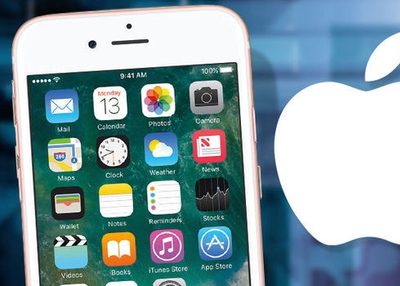
Savvy businesses are aware that having a web presence of their business is not enough to remain competitive in the market. If you are not leveraging on mobile app, then you will be leaving a lot of money and opportunity on the table. According to statistics, 80% of the internet users own a smartphone and more than 25% consumers use a branded app for mobile research. They prefer to access the internet through their mobile devices. So, for all the business owners out there, it is time to create an app for your business so that your consumers can easily get connected over their hand devices and reach out to you for the services or products.
But what does this mean for the mobile app developers? More work and more projects in iOS, Android and mobile web? But there are few other things that you should also be prepared for. Today, business owners are moving to mobile. So, be ready to answer their questions during the interview with the hiring manager.
Here are some questions that they might put up before you before they hire you to develop your app.
Can you show some examples of mobile apps that you have created?
While facing clients looking for mobile app development partnership, mobile developers should come prepared to show their past work as well as some ongoing projects because this will indicate what you can contribute to the clients in case they hire you. The customers will always try to get an idea of what you have developed in the past and try to determine the technologies that you have worked on. Your work will also help them judge your skill set and experience and help them take a decision whether you are the best or not.
A thorough study of the portfolio will act as the best guide for understanding the quality of work that you provide. Repeat clients, result based facts and figures also reveal the real picture that will help to gain trust.
What are your core services?
Mobile app developers are the ones who are responsible for creating the app from the scratch and deliver it to the customers. The client company might ask you about your core services just to know whether you offer a full package to complete all processes from offering business analysis to developing modern and high quality app. You should be prepared to answer them and show your expertise in delivering customized projects that require working with modern app development frameworks and tools.
What is your app development process?
It is important to know about how the service providers will operate in the most crucial time. It is important for you to remain prepared about your development process and the strategies that you will adopt in case some unexpected problems arise. Be prepared to explain the methodologies that you would follow while building the application. This will help to gain reliability and also respond to any challenges that can be produced during the development process. Business owners usually prefer to choose agile development as it is a better approach and helps to make essential changes even during the development process.
What is your checklist for testing an app before launch?
Mobile app developers are responsible for creating the app from the scratch and delivering it to the customers. Your client may ask you about your app testing approach before the final release. Are you responsible only for creating an app or would you perform a comprehensive testing to confirm any errors or bugs in it? Anticipate these questions and prepare your answers as a test will require large beta groups, app updates, bug fixes and also the submission process to get the app into the store. Showing complete awareness of the entire process will help to impress your client as a dedicated mobile app developer.
Do you have any rewards, recognition or client references?
Any reliable mobile company will be able to show some awards and recognitions by top ranking organizations, magazines or media. Look out if your developers and designers have been credited anywhere on the internet and also ask your clients to share their views and recommendations on social media or YouTube. You can use the client's testimonials to prove your credibility and also give their references so that your clients can directly take a feedback from them.
What is your preferred communication means during the app development process?
Since app development requires good collaboration between the client and the team, your client may want to know the means of communication with the developers and project managers throughout the development process. Be prepared and be very clear about your work style and communication means and how you will update your client about the work proceedings. If you prefer video conferencing meetings or emails, make sure to convey the preferences to your client so that they can be well prepared to work with you.
How do you calculate the app pricing?
Since making a business mobile app is a big investment and you cannot usually overlook the expenses, it is important to plan your budget beforehand. Your customer may ask you about the time and money that they will have to spend on the mobile app. So, make them understand the billing procedure and any other extra claims that you might charge while creating the app. Don't overprice and be alert of all the expenses and maintain a proper invoice for each assignment.
The desire to start working with new clients on their app is understandable, but keep in mind that developing an app is a lengthy process and it is very important to gain the trust of your client regarding reputation, reliability and credibility. It is only then that you will be able to capture a wider market and enjoy growth in your business.