


Every organization that relies on physical equipment eventually reaches a point where internal teams alone cannot solve every operational challenge. Whether the issue is an outdated maintenance process, a poorly configured system, or a lack of strategic direction, this is often the moment when leadership begins searching for outside expertise. Asset management consulting exists to fill this gap, offering organizations the knowledge and experience needed to align their people, processes, and technology around one clear goal, keeping assets reliable and cost effective throughout their lifecycle.
What Asset Management Consulting Actually Involves
At its core, asset management consulting is about assessing how an organization currently manages its equipment, facilities, and infrastructure, then identifying practical ways to improve. This can include reviewing maintenance workflows, evaluating existing software configurations, analyzing data quality, and recommending changes that reduce downtime or unnecessary spending. Consultants typically bring experience from working across multiple industries, which allows them to spot inefficiencies that internal teams may overlook simply because they are too close to daily operations.
This process is rarely about applying a single fixed solution. Every organization has different assets, different regulatory requirements, and different levels of technical maturity. A thoughtful consulting engagement takes these differences into account, building recommendations around the specific realities of the business rather than a generic template.
Common Challenges That Lead Organizations to Seek Guidance
Many organizations turn to outside expertise after recognizing recurring problems such as inconsistent maintenance records, frequent equipment failures, or a maintenance system that was implemented years ago but never properly optimized. In some cases, the software itself is capable, but the processes surrounding it have never been refined. In others, staff turnover has left gaps in institutional knowledge that make it difficult to maintain consistency.
Asset management consulting helps address these issues by bringing structure back into the process. This often includes reviewing how work orders are created and closed, how preventive maintenance schedules are built, and how data is used to make decisions. The goal is not simply to fix immediate problems but to build a foundation that supports long term reliability.
How the Right Partner Makes a Difference
The value of consulting depends heavily on the experience and approach of the partner involved. Organizations benefit most when working with a team that understands both the technical side of asset management systems and the practical realities of running daily operations. Maven Asset Management brings this combination of expertise, working alongside client teams to evaluate current practices, recommend meaningful improvements, and support implementation from planning through execution. Rather than offering advice in isolation, the focus remains on delivering changes that teams can realistically adopt and sustain over time.
This kind of partnership also provides ongoing value beyond the initial engagement, since experienced consultants can help organizations adapt as technology evolves, regulations change, or business priorities shift.
Bringing Long Term Value to Asset Operations
Organizations that invest in improving how they manage their assets tend to see measurable benefits over time, including reduced downtime, more accurate budgeting, and stronger overall reliability. Asset management consulting provides the outside perspective and technical expertise needed to identify what is holding an organization back and to chart a clear path forward. For companies that want to move beyond reactive maintenance and build a more strategic approach to their physical assets, working with experienced consultants often proves to be one of the most practical investments they can make.
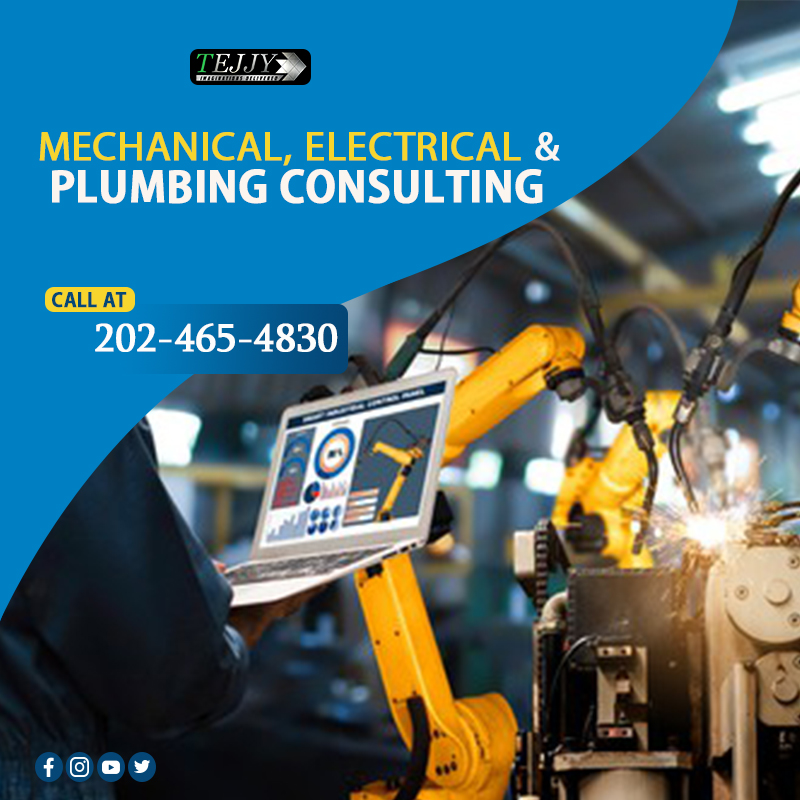
Are you searching for a top BIM company providing the best plumbing consulting services?
Consult the MEP BIM modelers of Tejjy Inc. at 202-465-4830 or info@tejjy.com and save precious time on construction management.WE OFFER THE FOLLOWING FACILITIES OPERATIONS MANAGEMENT Engineering DiagnosticsMEP ConsultingOperations & MaintenanceBase Operations Support ServicesFacility Condition AssessmentAsset ManagementBIM Facility ManagementInitial Outfitting & Transition Services
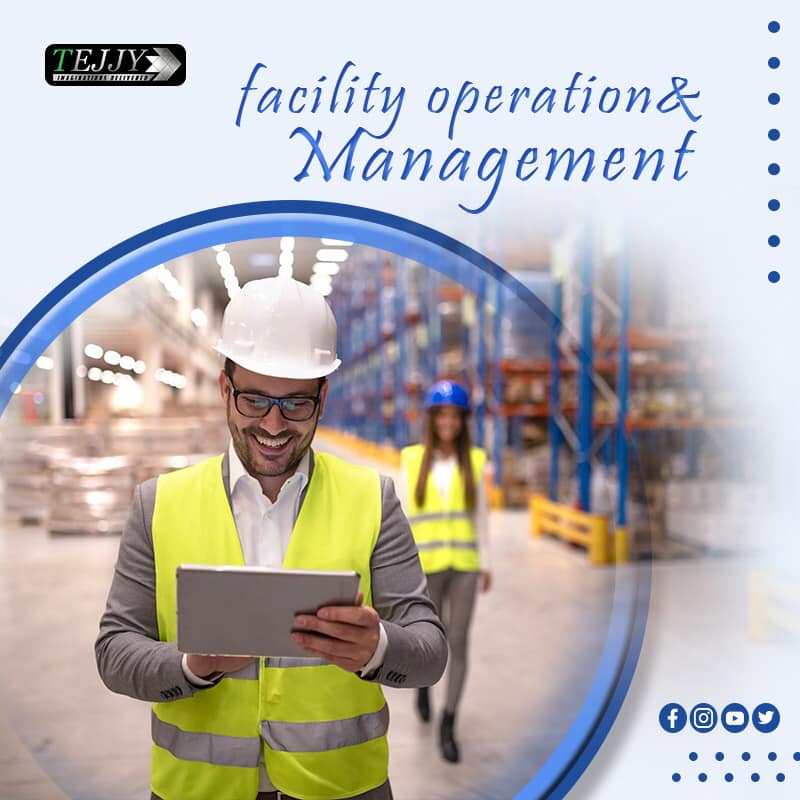
Are you searching for a top BIM company providing the best plumbing consulting services in USA?
Consult the MEP BIM modelers of Tejjy Inc. at 202-465-4830 or info@tejjy.com and save precious time on construction management.We offer the following facilities operations ManagementEngineering DiagnosticsMEP ConsultingOperations & MaintenanceBase Operations Support ServicesFacility Condition AssessmentAsset ManagementBIM Facility ManagementInitial Outfitting & Transition Services
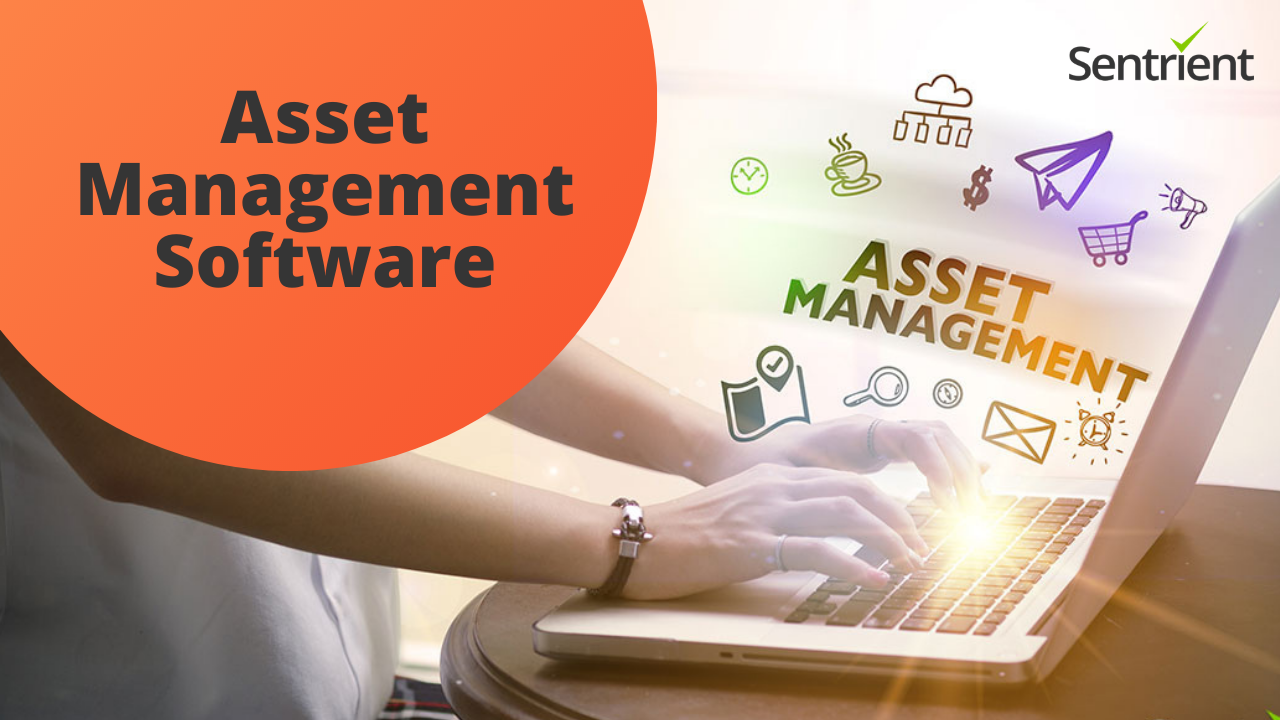
Sentrient's asset management system allows you to keep track of all computer hardware assigned to staff members for work.
It will provide you with a clear structure, consistent approach, and transparency of the status of all company assets across the whole organisation.Watch this video for more details.