





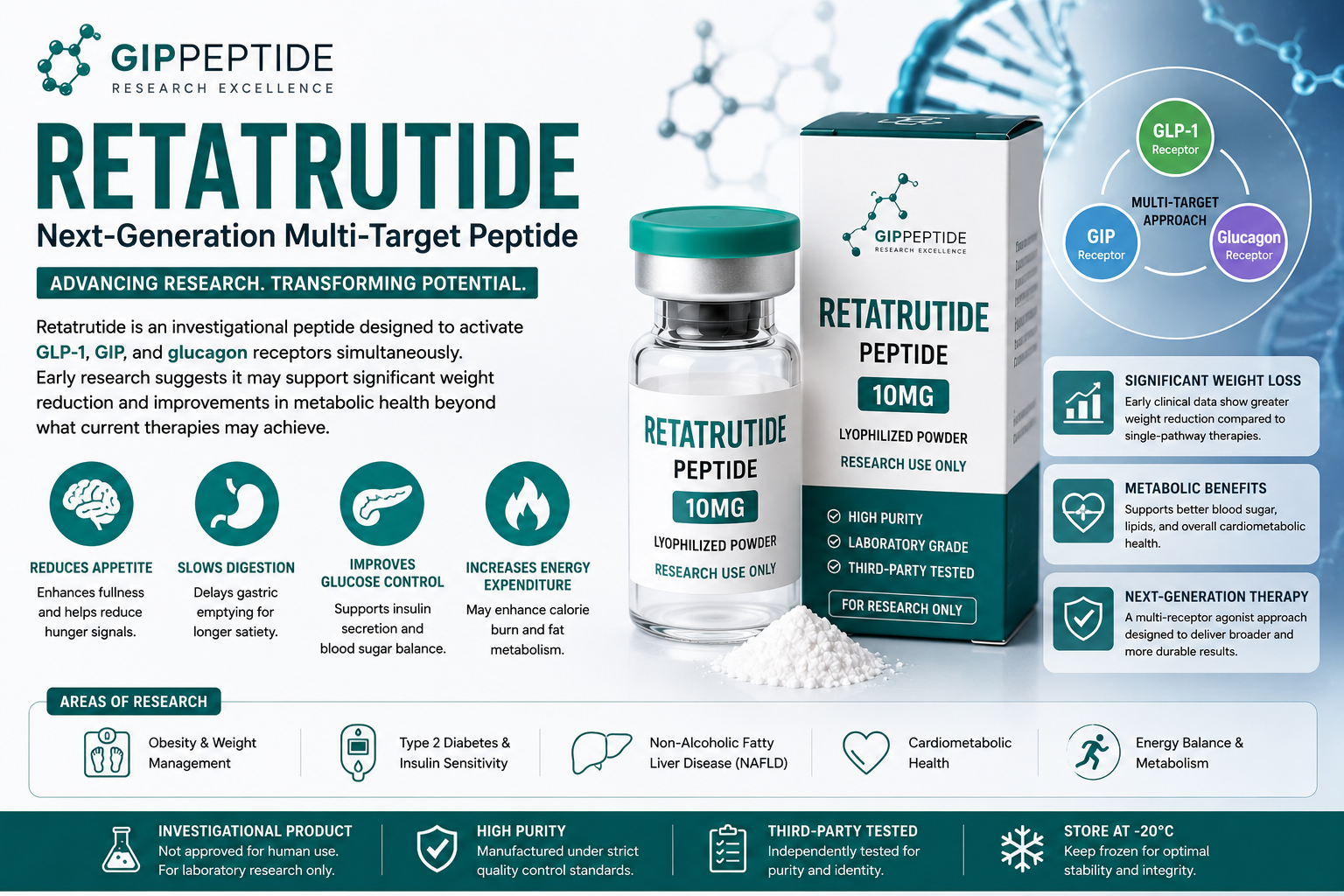
Retatrutide in Plain English: What It Is, and Why So Many Researchers Are Watching It
Retatrutide is an investigational medicine being studied for obesity and metabolic health. “Investigational” matters: it means the drug is still in clinical trials and is not yet widely available as a standard prescription in most places. People are paying attention because early research suggests it may produce substantial weight loss and meaningful improvements in metabolic markers such as blood sugar, insulin sensitivity, and certain blood lipids.
In plain English, retatrutide is designed to change how your body regulates appetite, how fast food leaves your stomach, how your pancreas responds to meals, and how your body uses and burns energy. It aims to do this by activating multiple hormone signaling pathways at once—think of it as a “multi-switch” approach to metabolic control rather than a single lever.
It is often discussed in the same conversation as GLP-1 drugs because it overlaps with that biology, but it is not simply “another GLP-1.” Its key idea is broader: coordinate several metabolic signals together, with the goal of bigger and more durable changes in weight and metabolic health.
How Retatrutide Works in the Body: A Clear, Step-by-Step View of the Mechanism
Your body uses gut- and pancreas-related hormones to manage hunger, fullness, blood sugar after meals, and energy balance. Retatrutide is designed to activate three receptors involved in this system: GLP-1, GIP, and glucagon receptors. You do not need to memorize those names to understand the practical effect. What matters is that these signals influence:
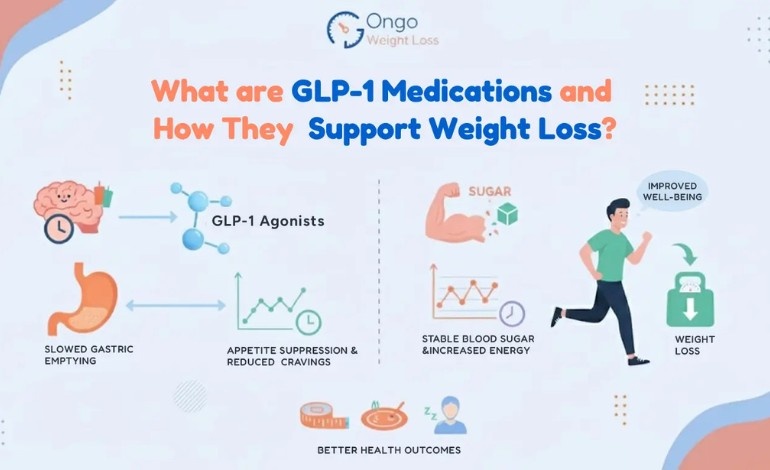
First, appetite and satiety. One of the most consistent effects seen with GLP-1–based therapies is reduced appetite and increased fullness. When the brain receives stronger “I’m satisfied” signals, many people naturally eat less without constant willpower battles.
Second, digestion speed. These therapies commonly slow how quickly food leaves the stomach, which can make you feel full longer after eating and can reduce sharp post-meal blood sugar spikes.
Third, insulin and glucagon balance. The pancreas releases insulin to lower blood sugar and releases glucagon to raise it. Retatrutide influences this system in a way that can improve post-meal blood sugar handling. That is one reason it is being studied for metabolic disease, not only for weight.
Fourth, energy expenditure and fat metabolism. The “glucagon receptor” part of retatrutide is one of the features that makes it different from many older weight-loss injections. Glucagon signaling can increase energy use and affect fat metabolism, though it can also influence heart rate and other physiologic responses. The goal in drug design is to capture the metabolic advantages while keeping tolerability and safety acceptable.
Put together, retatrutide is engineered to combine appetite reduction with broader metabolic effects. That is why it is sometimes described as a next wave approach: it aims to address not just how much you eat, but also how your body processes and uses energy.
Why It’s Being Studied for Obesity and Metabolic Health (Not Just “Cosmetic” Weight Loss)
Obesity is strongly linked with conditions such as type 2 diabetes, fatty liver disease, sleep apnea, high blood pressure, and abnormal cholesterol patterns. Clinicians increasingly frame obesity as a chronic, relapsing condition shaped by biology, environment, and behavior—not a simple character issue. When excess body fat contributes to metabolic dysfunction, even modest weight loss can improve health outcomes. More substantial weight loss can sometimes shift a person out of higher-risk categories entirely.
Retatrutide is being studied because it may produce weight loss that is large enough to meaningfully change metabolic risk. The aim is not “thinness.” The aim is improved health markers: better glucose control, lower cardiometabolic risk, less strain on joints, improved sleep, better liver markers, and improved day-to-day function and quality of life.
It is also being studied because many people cannot sustain meaningful weight loss with lifestyle measures alone, especially once the body adapts by increasing hunger signals and reducing metabolic rate. Medications may help by changing the biological “set points” that push weight back up after dieting.
What Makes Retatrutide Different From GLP-1 Medicines: The Real-World Implications
Many currently used anti-obesity and diabetes medications lean heavily on GLP-1 signaling. Retatrutide includes GLP-1 activity, but it also activates GIP and glucagon receptors. That extra biology is the headline, but the practical question is: what could that mean for patients?
One potential implication is magnitude of weight loss. Early trial data have suggested that multi-receptor approaches may produce greater average weight loss than single-pathway therapies for some people. It does not mean everyone will respond the same way, and it does not mean the drug will be a match for every body, but it is part of why excitement exists.
Another implication is metabolic breadth. By influencing more than one pathway, retatrutide may affect a wider set of metabolic markers than a typical GLP-1–only approach, though head-to-head comparisons and long-term outcomes matter more than theory.
A third implication is tolerability and monitoring. When a medication touches multiple systems, it may bring additional side effects or require more careful dose titration. The most effective therapy is not the one with the biggest average weight loss in a trial; it is the one a real person can safely take, tolerate, and sustain under medical supervision.
blood sugar regulation: How Retatrutide May Affect Glucose, Insulin, and Metabolic Flexibility
blood sugar regulation is one of the central reasons drugs like retatrutide are being developed. In people with insulin resistance, the body needs higher insulin levels to manage the same amount of glucose. Over time, this pattern can progress to type 2 diabetes and can also contribute to fat storage, hunger swings, fatigue, and cardiovascular risk.
Retatrutide’s GLP-1 and GIP activity can support the pancreas in releasing insulin more effectively in response to meals. This “meal-timed” insulin response is important because it helps reduce large after-meal glucose spikes. Meanwhile, slowing gastric emptying can reduce how quickly glucose enters the bloodstream after eating.
The glucagon receptor component is more nuanced. Glucagon is classically known for raising blood sugar, especially in fasting states, but glucagon signaling can also influence energy expenditure and fat metabolism. Drug developers aim to balance these effects so the overall result supports metabolic health rather than worsening glucose control. That balance is part of what clinical trials are designed to test.
For a reader trying to connect this to daily life, here is the simplest way to think about it: better blood sugar regulation can mean fewer extreme highs and lows, less reactive hunger after meals, improved energy stability, and better long-term risk reduction for organs affected by high glucose (such as the heart, kidneys, nerves, and eyes). Those outcomes depend on the individual, the dose, adherence, diet patterns, and whether someone has diabetes, prediabetes, or normal glucose tolerance at baseline.
What the Current Research Suggests: Promising Signals, and the Questions That Still Matter
Early- and mid-stage clinical trials have suggested that retatrutide can lead to substantial average weight loss and improvements in metabolic measures over the study period. Researchers have reported notable reductions in body weight in people with obesity, along with improvements in certain cardiometabolic markers. These are encouraging signals, especially because obesity is notoriously resistant to sustained change.
But it is also important to stay grounded. The most meaningful questions are not only “How much weight did people lose?” but also:
How durable is the effect over multiple years? What happens when people stop the medication? Do benefits persist, partially persist, or fade quickly?
How does retatrutide compare head-to-head with established therapies in real-world populations, including people with multiple medical conditions and those taking other medications?
What is the long-term safety profile, including rare side effects that may not appear until very large numbers of people have used the drug?
How do outcomes vary by age, sex, baseline metabolic health, and degree of insulin resistance?
Clinical trials are designed to answer these questions step by step. Early results can be impressive while still leaving open the most practical matters: long-term safety, long-term adherence, and long-term outcomes like cardiovascular events and organ protection.
next gen weight loss: Why Multi-Pathway Metabolic Drugs Are Being Called the Future
next gen weight loss is not just marketing language; it reflects a shift in how scientists approach obesity pharmacology. For years, many weight-loss drugs targeted a single mechanism: appetite, absorption, or a brain pathway tied to cravings. The more recent wave focuses on gut hormones and metabolic signaling. The emerging wave pushes further by combining signals to create a more comprehensive metabolic effect.
The logic is straightforward: obesity is not driven by one switch. Appetite, reward, stress eating, sleep, muscle mass, insulin resistance, and energy expenditure all influence body weight. When a drug can influence multiple pieces of this system at once, the average effect may be stronger—if the trade-offs remain acceptable.
Retatrutide is part of this trend: combining appetite reduction with metabolic effects that may influence energy use. The ambition is to move from “help people eat less” to “help the body regulate weight and metabolism differently,” while still emphasizing that medication works best when paired with nutrition, movement, sleep, and ongoing care.
weight loss medications: Where Retatrutide Might Fit in the Bigger Treatment Landscape
weight loss medications now span multiple categories: older appetite suppressants, medications that affect absorption, and the newer hormone-based injections. Retatrutide, if approved, would likely sit in the hormone-based category but with a broader receptor profile than many earlier options.
If you are trying to understand where it could fit, it may help to think in terms of who needs what level of support. Some people can achieve clinically meaningful weight loss with nutrition counseling and increased activity alone. Others benefit from structured programs, anti-obesity medications, or bariatric surgery. Many people require a combination over time, because obesity is often chronic and relapsing.
Retatrutide is being studied for people with obesity and related metabolic issues, potentially including type 2 diabetes. Whether it becomes a first-line option, a second-line option after other therapies, or a more specialized choice will depend on how future trials and guidelines evaluate it relative to other medications. Cost, insurance coverage, supply, and prescriber familiarity also shape real-world use, sometimes as much as the clinical data.
One more realistic point: medications can help create a calorie deficit, but they do not automatically ensure adequate protein intake, strength maintenance, or cardiovascular fitness. A well-designed plan usually includes resistance training, sufficient protein, and habits that preserve muscle while fat mass decreases.
retatrutide side effects: What People Report, What Clinicians Watch, and Why Dose Titration Matters
retatrutide side effects are a core part of the conversation because tolerability determines whether someone can stay on therapy long enough to benefit. Based on what is commonly seen with gut-hormone-based medications and what has been reported in clinical research on retatrutide, many side effects cluster around the gastrointestinal system.
Commonly discussed effects include nausea, vomiting, diarrhea, constipation, abdominal discomfort, decreased appetite, and feeling uncomfortably full if meals are too large or too high in fat. For many people, these effects are dose-related and improve as the body adapts, especially when the dose is increased slowly over time. This is why clinicians often use gradual dose escalation rather than starting at a high dose.
There are also side effects that require more caution. Persistent vomiting or severe abdominal pain should never be ignored. Dehydration is a practical risk if nausea or diarrhea is significant, and dehydration can worsen fatigue, dizziness, kidney function, and constipation.
Clinicians also pay attention to gallbladder-related issues, because rapid weight loss from any method can increase gallstone risk. This is not unique to retatrutide; it is a known association with substantial weight loss in general. Another area of monitoring involves pancreatitis symptoms, even though the absolute risk is not always clear and can vary by medication and patient history. Any severe, persistent upper abdominal pain—especially if it radiates to the back or is associated with vomiting—deserves urgent medical evaluation.
Because retatrutide engages multiple metabolic pathways, researchers also watch heart rate changes and other cardiometabolic signals over time. Safety studies are designed to identify not only frequent side effects but also uncommon, serious events that might only show up in larger populations.
The bottom line is not “expect the worst.” The bottom line is “expect a titration period.” People considering any medication in this category should plan for a careful ramp-up, realistic meal sizes, good hydration, and active communication with a prescribing clinician.
What Readers Should Realistically Expect: Outcomes, Timelines, and the Non-Negotiables
Realistic expectations protect you from two common traps: expecting effortless transformation, or dismissing therapy because it is not instant. Most people who do well on hormone-based weight management medications describe a gradual, cumulative process: appetite softens, portion sizes shrink naturally, and weight trends downward over months rather than days.
If retatrutide becomes available clinically, many readers will want to know how quickly it works. In general, these medications tend to show early appetite changes within weeks, but the more meaningful body composition and health-marker changes unfold over months. Doses are usually increased gradually to improve tolerability, which means the “full effect” is not immediate.
Also important: weight loss is not always linear. Plateaus happen. Stress, sleep disruption, changes in activity, and menstrual cycle-related water retention can blur progress. A good medical plan looks beyond the scale to waist measurements, blood pressure, glucose metrics, strength performance, and how a person feels and functions.
Another realistic expectation is that stopping therapy often leads to regain for many people, because the underlying biology returns. This is not a personal failure; it is a predictable response to removing a treatment that was helping regulate appetite and metabolism. Long-term plans should be discussed upfront: Is the goal to use medication temporarily to reach a health target, or is it part of ongoing chronic disease management?
Who Might Be a Candidate, and Who Should Be Cautious
Eligibility for any anti-obesity medication usually depends on body mass index and the presence of weight-related medical conditions, but final decisions are individualized. People with obesity-related complications—such as prediabetes, type 2 diabetes, fatty liver disease, hypertension, or sleep apnea—are often prioritized because the potential medical benefit is larger.
Caution is important for anyone with a history of severe gastrointestinal disease, recurrent pancreatitis, certain gallbladder problems, or complex endocrine conditions. Pregnancy and breastfeeding are also situations where weight-loss drugs are typically avoided, and people planning pregnancy should discuss timelines carefully with a clinician.
Medication interactions matter as well. If a drug slows gastric emptying, it can affect how other oral medications are absorbed. People using insulin or insulin-stimulating diabetes medications may require dose adjustments to reduce hypoglycemia risk as appetite drops and glucose control improves. This is one reason medical supervision is not optional; it is part of safe care.
How to Support Results: Nutrition, Protein, Strength Training, and Sleep Without the Hype
Medications can reduce appetite, but they do not automatically build a sustainable lifestyle. If appetite drops sharply, some people accidentally undereat protein and overall nutrients, which can increase fatigue and raise the risk of losing lean mass along with fat mass. The goal is not simply weight loss; it is fat loss while preserving or improving muscle and function.
That typically means prioritizing protein at meals, choosing high-fiber foods that support fullness and gut comfort, and building a simple resistance training routine. Strength training is especially valuable during weight loss because it helps preserve muscle and supports metabolic health. Sleep is also not optional: poor sleep increases hunger hormones, worsens insulin resistance, and makes cravings harder to manage.
Another practical point: alcohol tolerance and desire can change during appetite-focused therapy, and alcohol can aggravate nausea or reflux in some people. If someone drinks regularly, it is worth discussing how to adjust to protect both comfort and progress.
Access and Status: What “In Clinical Trials” Means for Availability and Safety Oversight
Because retatrutide has been studied in trials, you may see headlines, summaries, and enthusiastic projections. But clinical trial participation is not the same as routine prescribing. Trials follow strict inclusion criteria, careful monitoring, and structured dose escalation. Once a drug is approved, it reaches a broader population with more varied medical histories, which is why post-approval safety monitoring is so important for any new therapy.
If you are considering a medication like this in the future, the safest path is to work with a licensed clinician who can confirm whether the product is legitimate, sourced through regulated channels, and appropriate for your situation. Avoid unregulated sellers and compounded versions marketed without solid quality oversight. With high-demand metabolic drugs, the market can attract counterfeit or substandard products, and the risks are real.
How to Talk to Your Clinician: Questions That Lead to Better, Safer Decisions
If you are curious about retatrutide or similar therapies, a productive medical conversation usually includes your goals and your medical history, not just the number on the scale. You can ask what success would look like for you specifically—such as improved glucose markers, fewer medications, improved mobility, or better sleep apnea control.
You can also ask how your clinician monitors safety: what labs may be checked, how often follow-ups occur during dose titration, what symptoms warrant stopping or pausing the medication, and how to adjust other diabetes or blood pressure medications as your weight and appetite change.
Finally, ask about long-term planning. If the medication works, what is the intended duration? What is the strategy for maintenance? What lifestyle supports should be added so that progress is not dependent on motivation alone?
The Bottom Line: Retatrutide Is Promising, but the Best Expectation Is “Informed Optimism”
Retatrutide is a next-generation investigational metabolic drug designed to influence appetite and energy regulation through multiple hormone receptors. It is being studied because early research suggests it may produce substantial weight loss and meaningful metabolic improvements, including better blood sugar regulation for some people.
At the same time, it is not a shortcut and it is not a guaranteed fit for everyone. Side effects, careful dose escalation, long-term safety, and long-term maintenance planning matter as much as headline weight-loss numbers. If retatrutide becomes an approved option, the most realistic path will be the same one that produces the best outcomes with current therapies: medically supervised use, a protein-forward and fiber-aware eating pattern, consistent strength training, and a long-term plan that treats obesity and metabolic disease as the chronic conditions they often are.

If you are taking Ozempic, Wegovy, or a similar GLP-1 medication, 2026 is not a quiet year. From triple-hormone drugs, Medicare changes, and compounded versions, the rules around a


Introduction
Retatrutide 20mg is an investigational peptide that has attract