Introduction
A well-functioning home ventilation system plays an important role in maintaining indoor comfort, air quality, and energy efficiency. While heating and cooling equipment often receives the most attention from homeowners, ventilation is equally important because it controls how fresh air enters the home and how stale, humid, and contaminated air leaves it.
Over time, dust, debris, moisture, pet hair, and other particles can accumulate inside vents and ductwork. Filters can become clogged, exhaust fans may lose efficiency, and airflow can become restricted. When these problems are ignored, the ventilation system has to work harder to maintain comfortable indoor conditions. This can contribute to higher energy consumption, uneven temperatures, excessive humidity, unpleasant odors, and declining indoor air quality.
Fortunately, maintaining an efficient ventilation system does not have to be complicated. Regular inspections, filter replacement, proper airflow management, moisture control, and professional maintenance can help keep the system operating effectively.
Understanding how your ventilation system works and recognizing early warning signs can also help you prevent small problems from becoming expensive repairs. Whether you live in a newly constructed house or an older property, these practical steps can help protect your ventilation system and create a healthier, more comfortable indoor environment.
1. Understand How Your Home Ventilation System Works
Before maintaining a ventilation system, it is helpful to understand its basic purpose. A home's ventilation system is designed to exchange indoor and outdoor air. It helps remove pollutants, excess moisture, odors, and stale air while bringing fresh air into living spaces.
Different homes use different ventilation approaches. Some rely heavily on natural ventilation through windows, doors, and small openings in the building envelope. Others use mechanical ventilation equipment such as exhaust fans, supply fans, balanced ventilation systems, or heat recovery ventilation systems.
In many homes, ventilation is closely connected to the heating and cooling system. Air moves through supply and return ducts, passes through filters, and circulates throughout the building. Exhaust systems may remove air from bathrooms, kitchens, laundry areas, and other locations where moisture and odors are commonly produced.
When any part of this system becomes restricted or damaged, overall performance can suffer.
Pay attention to airflow
One of the simplest ways to monitor ventilation performance is to pay attention to airflow throughout your home. Supply registers should provide consistent airflow, while return vents should not be blocked by furniture, curtains, rugs, or other household items.
If certain rooms consistently feel stuffy while others remain comfortable, there may be an airflow imbalance. Blocked vents, damaged ductwork, dirty filters, or poorly designed duct systems can all contribute to this problem.
Do not close numerous supply vents simply because a particular room feels too warm or cold. Doing so can alter the pressure and airflow within the system. If temperature differences persist, it is better to investigate the underlying cause.
Know where your filters are located
Air filters are one of the most important components affecting airflow. A dirty filter makes it harder for air to move through the system. As resistance increases, the equipment may have to operate longer and work harder.
Check your filter regularly and follow the manufacturer's recommendations for replacement. The appropriate replacement schedule depends on factors such as filter type, household size, pets, indoor air conditions, and system usage.
A filter should not be selected solely because it has the highest possible filtration rating. Extremely restrictive filters may reduce airflow if the HVAC system was not designed to accommodate them. Choosing the correct filter for your particular equipment is more important than simply choosing the most restrictive option available.
2. Keep Vents, Ducts, and Exhaust Systems Clear
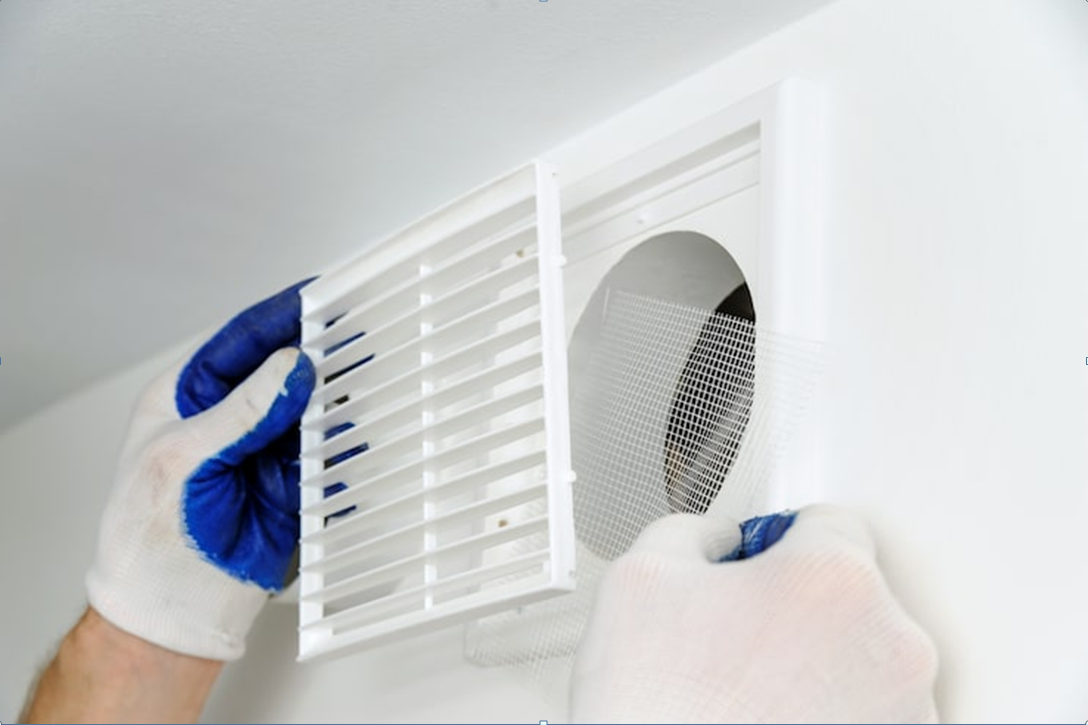
A ventilation system cannot remain efficient if its airflow pathways are obstructed. Supply registers, return grilles, exhaust fans, and duct openings should be kept clean and unobstructed.
Start with the areas that are easy to access. Vacuum dust from vent covers and grilles, and wipe away visible buildup. Make sure furniture and storage items are not positioned directly in front of vents.
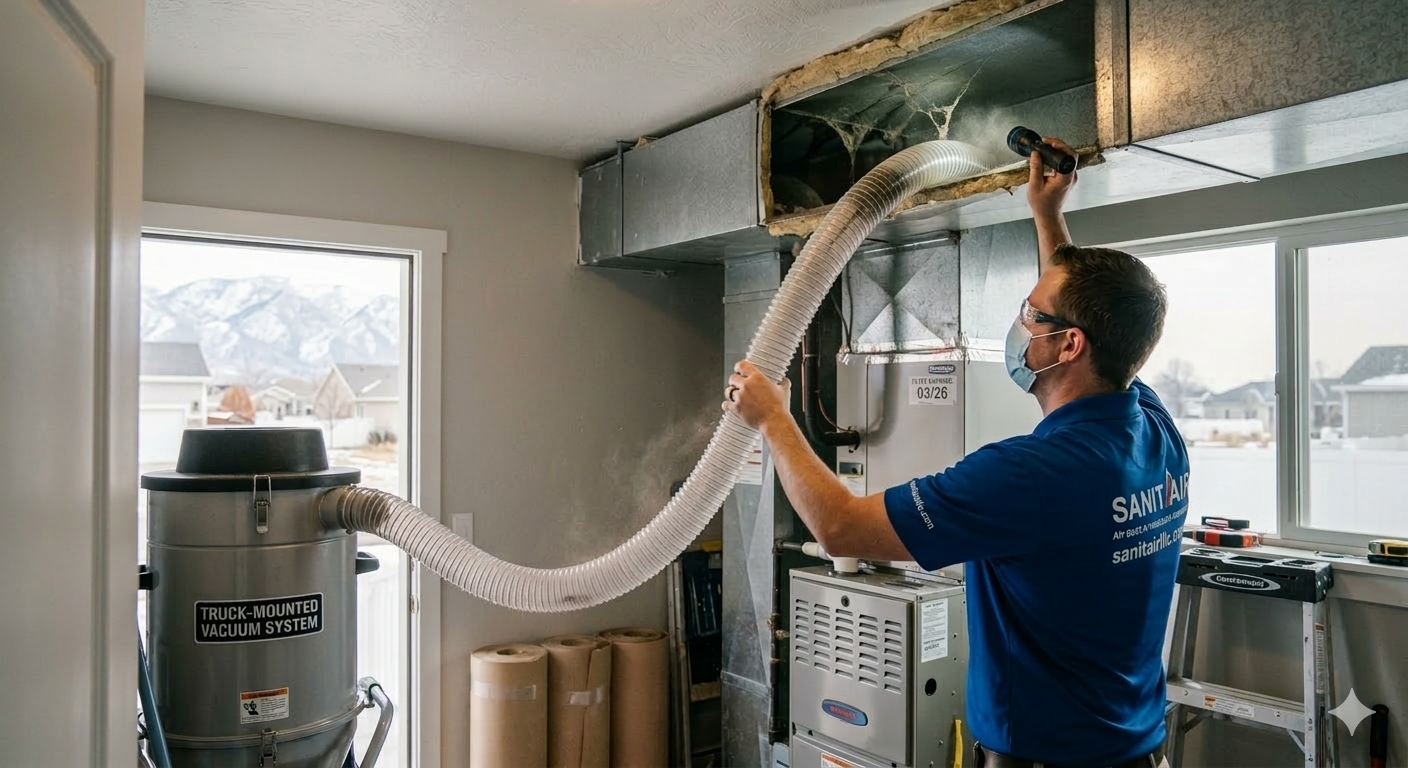
However, visible vent covers represent only one part of the ventilation system. Dust and debris can also accumulate deeper inside ductwork, especially when there are leaks, construction debris, poor filtration, or long periods without maintenance.
Know when professional cleaning may be appropriate
Not every home requires frequent professional duct cleaning, but there are circumstances when an inspection and cleaning may be beneficial. For example, homeowners may want professional attention after major remodeling work, when substantial debris has entered the duct system, or when there is visible contamination inside accessible duct components.
Homeowners should also investigate persistent dust or unusual odors rather than assuming that routine cleaning will automatically solve the problem.
For residents who need professional assistance, companies offering https://www.sanitairllc.com/service-areas/air-duct-cleaning-services-in-south-jordan-utah/ can inspect accessible components and determine whether cleaning is appropriate for the condition of the system.
The goal should not be to clean ducts simply because a certain amount of time has passed. Instead, maintenance decisions should be based on the condition of the system, the home's environment, and any symptoms of poor airflow or indoor air quality.
Inspect for damaged or leaking ductwork
Duct leaks can significantly reduce ventilation efficiency. When conditioned air escapes through gaps or damaged sections, less air reaches the rooms where it is needed.
Leaks may occur at joints, connections, seams, or damaged duct sections. Some ductwork may also become disconnected or poorly sealed over time.
Professional technicians can inspect duct systems for visible damage and evaluate whether sealing or repair is necessary. Properly sealed ductwork helps air travel more efficiently through the intended pathways and can reduce unnecessary energy losses.
3. Control Moisture and Improve Indoor Air Quality
Ventilation is not only about moving air. It is also about controlling indoor humidity and removing moisture from areas where it naturally accumulates.
Bathrooms, kitchens, laundry rooms, and basements can produce substantial amounts of moisture. If that moisture remains trapped indoors, it can contribute to condensation, musty odors, material damage, and favorable conditions for biological growth.
Use bathroom exhaust fans correctly
Bathroom exhaust fans should be used during showers and for an appropriate period afterward. Their purpose is to remove warm, humid air before moisture spreads throughout the home.
An exhaust fan that sounds unusually loud, operates slowly, or fails to remove moisture effectively may need cleaning, repair, or replacement.
Keep the fan grille free from dust and lint. A buildup of debris can restrict airflow and reduce the fan's ability to remove humid air.
Vent kitchen air outdoors when appropriate
Cooking produces moisture, odors, grease, and airborne particles. A properly functioning range hood can help remove these pollutants from the indoor environment.
Whenever possible, use the ventilation equipment provided for the kitchen rather than relying exclusively on opening windows. Outdoor venting can be particularly useful during activities that produce substantial heat, steam, or cooking odors.
Monitor humidity levels
Excessively humid indoor conditions can make a home feel warmer and less comfortable. Very dry conditions can create a different set of comfort problems.
A basic indoor humidity monitor can help homeowners understand what is happening inside their homes. If humidity remains consistently high despite using exhaust fans and other ventilation measures, there may be an underlying ventilation or moisture-management problem.
Addressing leaks, improving exhaust ventilation, using appropriate dehumidification, and ensuring adequate air exchange can all contribute to better indoor conditions.
4. Schedule Regular Inspections and Maintenance
Routine maintenance is one of the most effective ways to keep a ventilation system operating efficiently. Waiting until the system stops working can turn a manageable maintenance issue into an expensive repair.
A professional inspection can identify problems that are difficult for homeowners to detect. Technicians can evaluate airflow, inspect accessible ductwork, check filters and mechanical components, and look for signs of deterioration.
Regular maintenance is especially important before periods of heavy heating or cooling use. Preparing the system before extreme seasonal conditions can reduce the likelihood of unexpected performance problems.
Watch for warning signs
Homeowners should pay attention to changes in system performance. Warning signs may include:
Rooms that suddenly become difficult to heat or cool
Weak airflow from supply registers
Excessive dust around vents
Persistent musty or unusual odors
Condensation in unexpected areas
Excessive indoor humidity
Unusual sounds from fans or HVAC equipment
Filters becoming dirty unusually quickly
Increasing energy consumption without a clear explanation
Ventilation equipment running for unusually long periods
One symptom does not necessarily identify a specific problem. For example, high energy use can have many causes, including weather conditions, insulation problems, aging equipment, thermostat settings, or restricted airflow. A professional evaluation can help determine the actual cause.
Keep outdoor ventilation components clear
If your home uses mechanical ventilation equipment with outdoor intake or exhaust components, inspect those areas periodically. Leaves, dirt, insects, snow, landscaping debris, and other obstructions can interfere with airflow.
Outdoor grilles should remain clear so that air can move freely. However, homeowners should follow the manufacturer's maintenance instructions and avoid attempting repairs on electrical or mechanical components unless they have the appropriate knowledge and training.
Consider professional maintenance for older systems
Older ventilation systems may require more frequent attention because components can deteriorate over time. Duct connections can loosen, insulation can become damaged, fans can wear out, and controls can become outdated.
If your home has an older ventilation system and you notice recurring airflow or comfort problems, replacing individual components may not always be the best solution. A professional can assess whether repair, upgrading, or replacement makes the most practical sense.
For homeowners in areas where professional maintenance is needed, air duct cleaning services in West Valley may be one option to consider when an inspection indicates that ductwork requires cleaning. The important point is to have the system evaluated rather than assuming cleaning alone will resolve every ventilation problem.
Create a Simple Ventilation Maintenance Routine
Maintaining ventilation becomes much easier when it is incorporated into a regular household routine. You do not need to perform complicated technical work every week. Instead, divide maintenance tasks into simple categories.
Monthly tasks
Check the condition of your HVAC filter and replace it if necessary. Look at supply and return vents to make sure they are not blocked. Listen for unusual sounds from fans and ventilation equipment.
Seasonal tasks
Before heavy heating or cooling seasons, inspect accessible components and schedule professional maintenance if needed. Clean bathroom exhaust fan grilles and check kitchen ventilation equipment.
Inspect outdoor intake and exhaust openings for leaves, dirt, and other obstructions. Also look for changes in indoor humidity or unusual odors.
Annual tasks
Consider having the HVAC and ventilation system professionally inspected at least periodically, particularly if the system is older or has experienced recurring problems.
Ask the technician to evaluate airflow, duct condition, filters, mechanical components, and other relevant parts of the system.
A written maintenance record can also be useful. Keep track of filter replacements, professional inspections, repairs, and equipment upgrades. This information can help identify recurring problems and make future maintenance easier.
Improve Efficiency Without Sacrificing Comfort
Ventilation efficiency should always be considered alongside overall home efficiency. A well-maintained ventilation system works together with insulation, windows, HVAC equipment, and moisture control to create a comfortable indoor environment.
Sealing obvious air leaks around doors and windows can reduce unwanted drafts, but homes should not be sealed so tightly that necessary ventilation is eliminated. Modern energy-efficient homes may require deliberate mechanical ventilation to maintain appropriate indoor air exchange.
Likewise, simply increasing fan operation does not always guarantee better indoor air quality. Ventilation needs to be balanced with filtration, humidity management, energy use, and the specific design of the home.
Smart thermostats and ventilation controls can also help homeowners manage equipment operation more effectively. However, technology cannot compensate for blocked filters, damaged ducts, failed fans, or poor system maintenance.
The most effective strategy is a combination of good equipment, appropriate settings, regular maintenance, and attention to changes in indoor conditions.
Conclusion
An efficient home ventilation system does much more than move air from one room to another. It helps regulate indoor comfort, manage moisture, remove stale air, support healthier indoor conditions, and work alongside your heating and cooling equipment.
Keeping the system efficient starts with simple habits. Replace filters when necessary, keep vents unobstructed, clean accessible components, use exhaust fans properly, monitor indoor humidity, and pay attention to changes in airflow or system performance. At the same time, professional inspections can identify problems that are difficult to see or diagnose without specialized equipment.