

Retail businesses today need to manage much more than sales transactions. From billing customers and tracking inventory to managing purchases and analyzing sales performance, every process needs to work together efficiently. An Integrated Retail Billing, Inventory, and Sales Management System brings these essential operations onto a single platform, helping retailers improve accuracy, save time, and make better business decisions.
For supermarkets, departmental stores, pharmacies, fashion retailers, electronics stores, and growing multi-store businesses, an integrated retail solution can simplify everyday operations while providing complete visibility into sales and stock.
What Is an Integrated Retail Billing, Inventory, and Sales Management System?
An integrated retail management system is a centralized software solution that connects retail billing, inventory, sales, purchasing, customer information, and business reporting.
Instead of maintaining separate systems for billing and stock management, retailers can manage their operations from one connected platform. When a product is sold, the inventory quantity can be updated automatically. Sales information can also be recorded in real time, making it easier for business owners and managers to monitor performance.
This integration reduces repetitive data entry and creates a more organized retail workflow.
How Does Integrated Retail Management Software Work?
The system connects different retail processes so that information can move automatically between them. For example, when a cashier scans a product using a barcode, the system identifies the product, calculates the applicable price and tax, generates the invoice, records the transaction, and updates the available stock.
This connection between POS billing software, inventory management, and sales reporting allows retailers to maintain more accurate business records.
Managers can then use the collected data to monitor sales trends, identify popular products, check stock availability, and plan future purchases.
Key Features of a Retail Billing and Inventory System
Fast Retail Billing and POS
A modern retail billing system helps employees process customer transactions quickly and accurately. Features such as barcode scanning, automated calculations, discounts, tax management, invoice generation, and multiple payment options can make the checkout process more efficient.
A faster checkout experience can also reduce customer waiting time, particularly during busy hours.
Real-Time Inventory Management
Inventory is one of the most important assets for a retail business. An inventory management system provides visibility into available stock, sold products, returned items, purchases, and stock adjustments.
Because inventory can be connected directly with billing, stock levels can be updated whenever a sale or return is processed. This helps retailers reduce discrepancies between physical and recorded inventory.
Sales Tracking and Reporting
A complete sales management system allows retailers to monitor transactions and understand business performance. Reports can provide insights into daily sales, product-wise sales, category performance, employee sales, discounts, returns, and payment methods.
These insights help business owners identify trends and make informed decisions about pricing, promotions, and purchasing.
Product and Barcode Management
Managing product information manually can become difficult as a business grows. Retail software can store product names, SKUs, categories, prices, tax information, suppliers, and barcode details in one centralized database.
Barcode management can make product identification faster while reducing manual entry during billing.
Purchase and Supplier Management
Retailers also need to manage the purchasing side of their business. An integrated platform can maintain supplier records, purchase orders, received stock, purchase costs, and transaction history.
This gives businesses greater control over procurement and helps them determine when additional inventory needs to be ordered.
Customer and Loyalty Management
Customer information can also be integrated into the system. Businesses can maintain customer profiles, purchase history, loyalty points, and transaction records.
These capabilities can help retailers understand customer buying behavior and create more relevant loyalty programs and promotional campaigns.
Benefits of an Integrated Retail Management System
The biggest advantage of an integrated system is connectivity. Billing, inventory, and sales information are managed together rather than being stored across disconnected applications.
This can help businesses:
- Reduce manual data entry
- Minimize billing and inventory errors
- Track stock more accurately
- Speed up the checkout process
- Monitor sales in real time
- Identify fast- and slow-moving products
- Improve purchase planning
- Generate business reports faster
- Improve customer service
- Support business growth
By automating repetitive tasks, employees can spend more time serving customers and less time maintaining spreadsheets or updating records manually.
Real-Time Inventory and Sales Visibility
Knowing what is happening inside a retail business is essential for effective decision-making. An integrated stock management system can provide real-time visibility into product availability and movement.
Business owners can quickly identify low-stock products, excess inventory, fast-selling items, and slow-moving products. Sales dashboards can also help managers understand revenue patterns and compare performance across different periods or locations.
This level of visibility can make inventory planning more efficient and reduce the risk of losing sales because popular products are unavailable.
Multi-Store Retail Management
For retailers with multiple outlets, managing different branches can become increasingly complex. A centralized multi-store management system can help businesses monitor sales and inventory across multiple locations from a single platform.
Depending on the system configuration, managers can compare branch performance, monitor stock movement, standardize product information, and make better decisions about inventory distribution.
This makes integrated retail software particularly useful for businesses planning to expand their store network.
Retail Automation for Better Efficiency
Retail automation is becoming an important part of modern business operations. Tasks such as invoice generation, inventory updates, sales calculations, purchase records, and reporting can be automated through an integrated system.
Automation reduces repetitive administrative work and helps maintain consistent records. It also allows managers to spend more time focusing on business growth, customer experience, and strategic planning.
Why Businesses Need an Integrated Retail Solution
Using separate tools for billing, inventory, purchasing, and sales reporting can create information gaps and increase administrative effort. An integrated retail solution connects these processes and creates a single source of business information.
With retail management software, businesses can gain better operational control, improve data accuracy, and access useful insights without switching between multiple applications.
As retail continues to become more technology-driven, an integrated system can provide the foundation businesses need to manage daily operations efficiently and scale with confidence.
Conclusion
An Integrated Retail Billing, Inventory, and Sales Management System provides retailers with a centralized way to manage essential business operations. By connecting POS billing, inventory tracking, sales management, purchasing, customer information, and reporting, the system can reduce manual processes and improve overall efficiency.
For modern retailers, the goal is not simply to process sales faster. It is to create a connected retail operation where accurate information is available when it is needed. An integrated retail management solution can help businesses achieve that by turning everyday transactions into actionable business data while providing better control over inventory, sales, and customer service.
Frequently Asked Questions (FAQs)
1. What is an Integrated Retail Billing, Inventory, and Sales Management System?
An Integrated Retail Billing, Inventory, and Sales Management System is software that combines billing, point-of-sale transactions, inventory tracking, sales management, purchasing, customer management, and reporting in one platform. It helps retailers manage daily operations efficiently while maintaining centralized business data.
2. How does a retail billing and inventory system help businesses?
A retail billing and inventory system helps businesses automate billing, update stock after sales, track product movement, manage purchases, and generate sales reports. This reduces manual work, minimizes errors, and provides better control over inventory and sales.
3. Can the system track inventory in real time?
Yes. An integrated inventory management system can automatically update stock quantities when products are sold, returned, purchased, or adjusted. Real-time inventory visibility helps retailers identify low-stock products and avoid unnecessary overstocking.
4. Can an integrated retail system manage multiple stores?
Yes. Many modern retail management software solutions support multi-store operations. Businesses can manage products, inventory, sales, and reports across different branches from a centralized system, depending on the software configuration.
5. Does the system support barcode-based billing?
Yes. Barcode management and barcode scanning are commonly supported features in modern retail POS systems. Employees can scan products to retrieve pricing and product information, speeding up checkout and reducing manual data entry.
6. What types of reports can retailers generate?
Retailers can generate reports such as daily and monthly sales reports, product-wise sales, inventory reports, purchase reports, returns, payment reports, and fast- or slow-moving product reports. These reports help business owners understand performance and make data-driven decisions.
7. Can the system help reduce inventory errors?
Yes. By connecting billing transactions directly with inventory records, the system can reduce discrepancies caused by manual stock updates. Automated stock tracking provides more accurate information about product availability and movement.
8. Is integrated retail software suitable for small businesses?
Yes. An integrated retail solution can be useful for small retailers as well as larger businesses. Small businesses can start with essential billing and inventory features and expand their use of sales reporting, customer management, purchasing, and multi-store functionality as they grow.
9. Why is retail automation important?
Retail automation reduces repetitive tasks such as invoice creation, stock updates, calculations, and report generation. This allows employees to focus more on customers while helping business owners save time and maintain consistent records.
10. What should businesses look for in retail management software?
Businesses should consider features such as fast billing, inventory management, barcode support, sales reporting, purchase management, customer management, user access controls, scalability, ease of use, and reliable data security. The right solution should match the retailer's current requirements while supporting future growth.
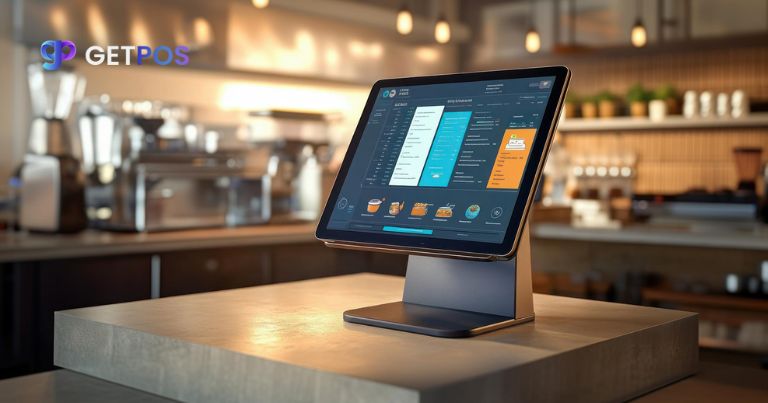
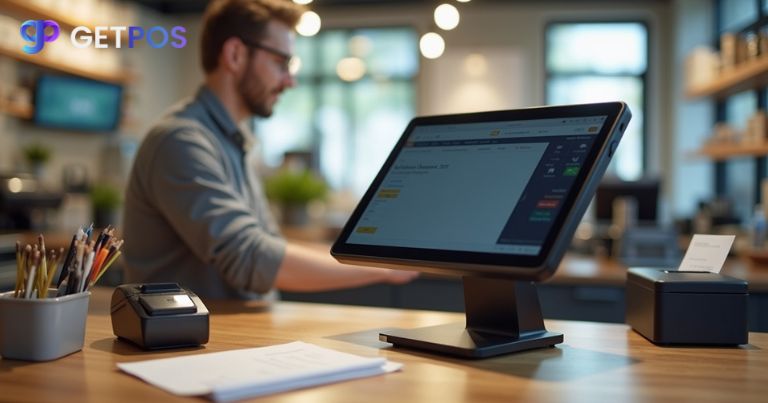
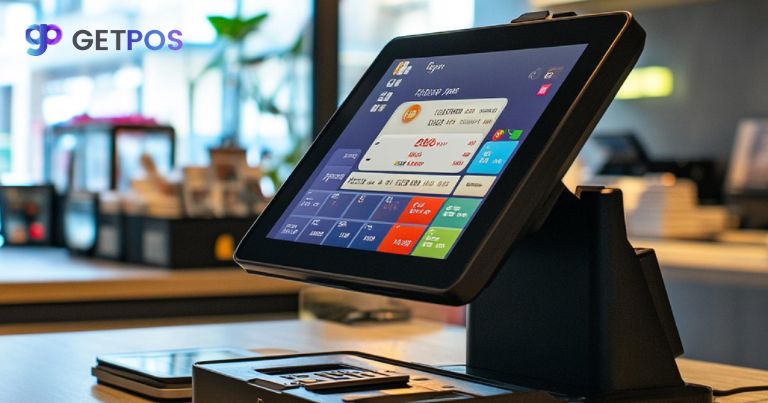
Quick Summary
A unified retail POS platform brings your sales, inventory, and customer information together in a single system. By eliminating disconnected tools, retailers can prevent over