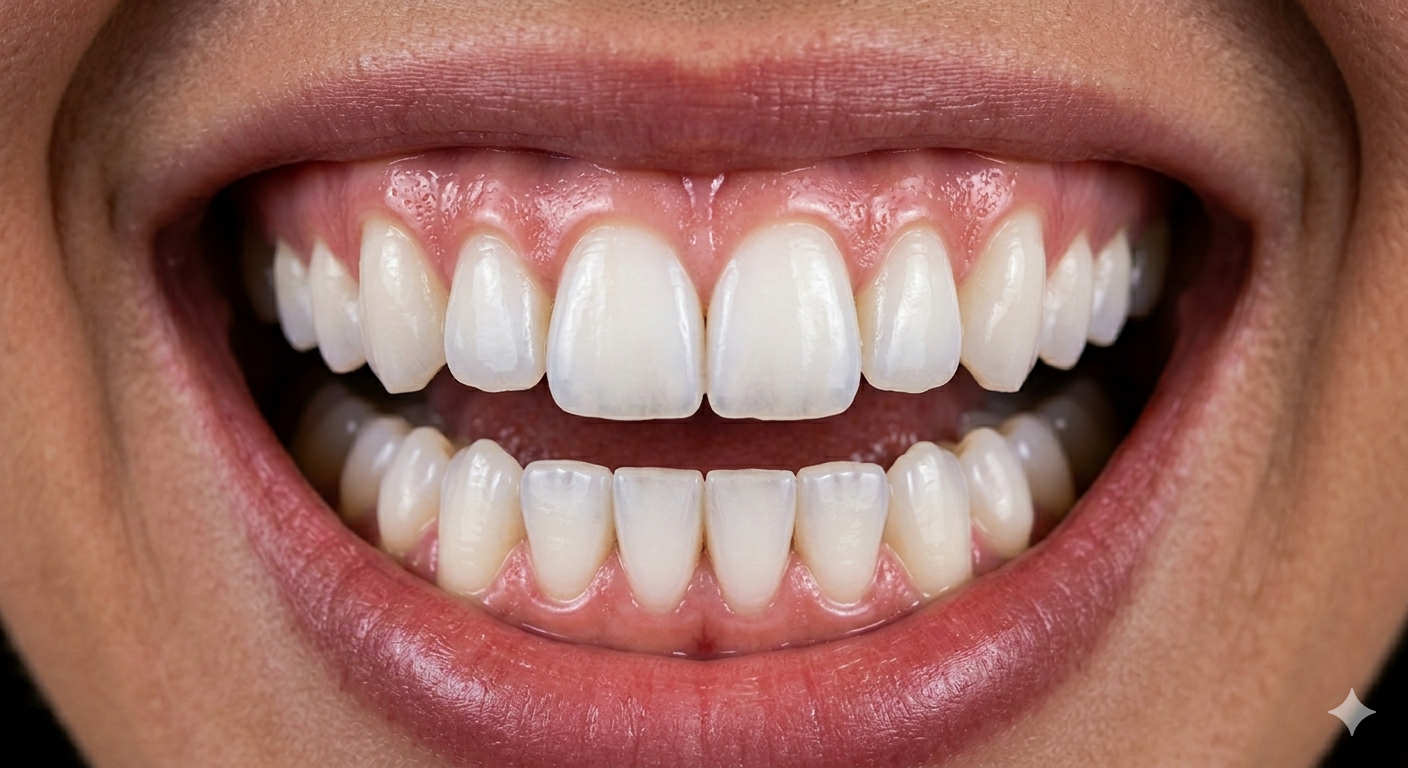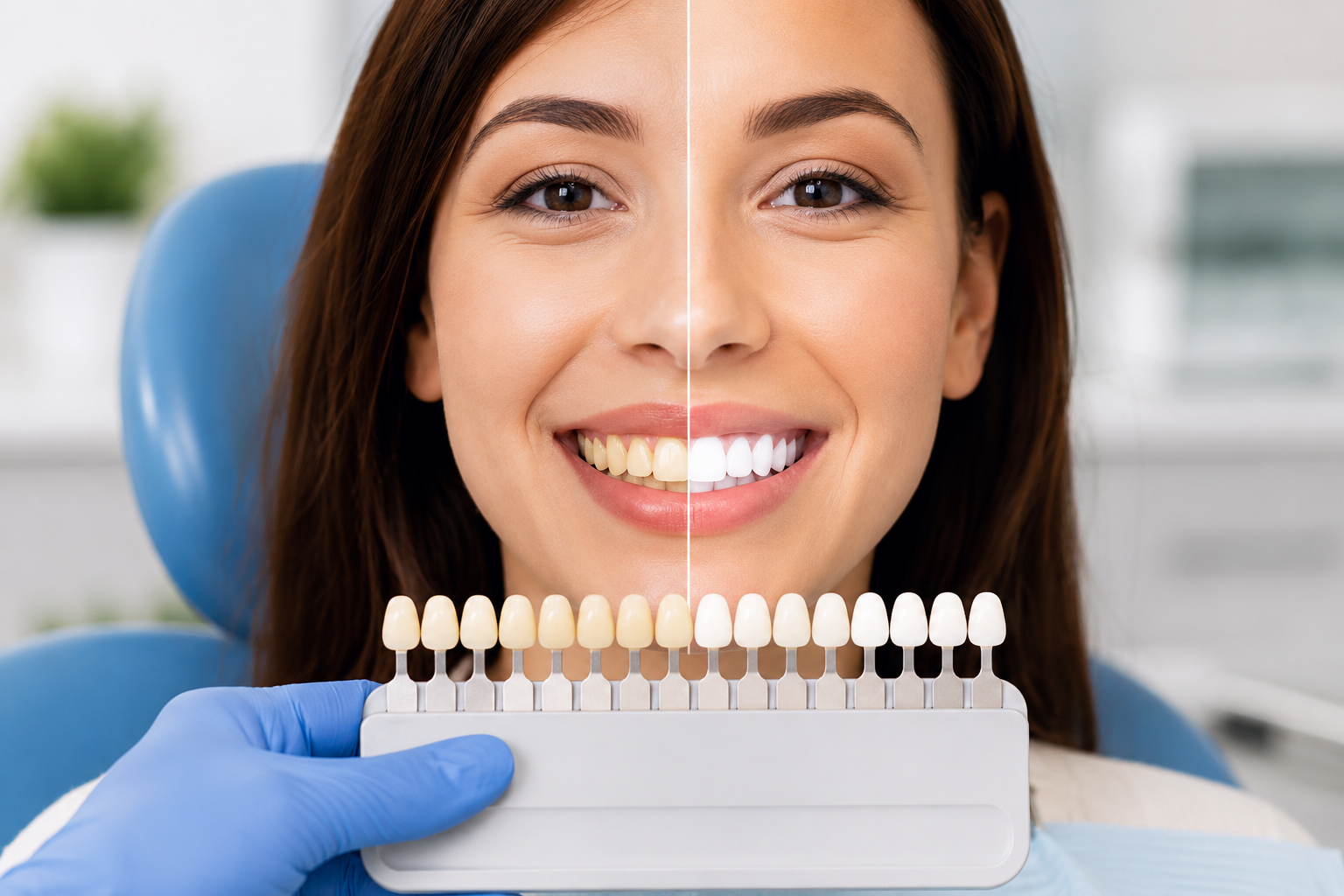
A bright, white smile can boost confidence and make you feel more comfortable when you smile. Because of this, many people regularly use whitening toothpastes, strips, gels, or other whitening products. While teeth whitening can be safe when used correctly, overusing these products may cause unwanted effects. Excessive whitening can increase sensitivity, irritate the gums, and potentially affect the protective enamel covering your teeth. Understanding the risks can help you maintain a healthier smile while achieving the appearance you want.
Increased Tooth Sensitivity
One of the most common problems associated with excessive teeth whitening is tooth sensitivity. Whitening products often contain bleaching ingredients designed to remove stains and lighten tooth color. Frequent or prolonged use can make teeth more sensitive to hot, cold, sweet, or acidic foods and drinks. Some people may experience sharp, temporary discomfort when eating ice cream or drinking a hot beverage. Giving your teeth adequate time between whitening treatments can help reduce this problem.
Enamel May Become Weakened
Tooth enamel is the hard outer layer that protects the inner portions of your teeth. Although professional whitening products are generally designed to be used safely, excessive exposure to bleaching agents may contribute to enamel surface changes. Once enamel is significantly worn away, it does not naturally grow back. Overusing whitening products in an attempt to achieve an extremely bright smile can therefore work against your long-term dental health.
Gum Irritation Can Occur
Whitening products can also affect your gums, particularly when products are used too frequently or incorrectly. Bleaching agents that come into contact with gum tissue may cause irritation, redness, or temporary discomfort. Poorly fitting whitening trays can increase the likelihood of the whitening solution touching your gums. Following product instructions carefully and avoiding excessive application can help protect your gum tissue.
Whitening Does Not Fix Every Type of Stain
Another reason people may overuse whitening products is that they do not see the results they expect. However, not every type of discoloration responds equally to bleaching. Deep internal stains, certain medications, dental restorations, and naturally darker tooth shades may not respond well to over-the-counter whitening products. Continuing to whiten repeatedly may increase sensitivity without producing the desired improvement.
Follow Recommended Instructions
More whitening does not necessarily mean better whitening. Always follow the manufacturer's instructions regarding how much product to use and how often to apply it. Avoid leaving whitening products on your teeth longer than recommended. If you experience significant sensitivity or gum irritation, stop using the product and speak with a dental professional before continuing treatment.
Consider Professional Guidance
A dental professional can evaluate your teeth and gums before recommending a whitening approach. They can determine whether discoloration is caused by surface stains or another issue and help you choose an appropriate treatment. Professional guidance is particularly useful if you have cavities, gum problems, worn enamel, or existing dental restorations.
Protect Your Long-Term Smile
Teeth whitening can be an effective way to improve the appearance of your smile, but moderation is important. Overusing whitening products can lead to sensitivity, gum irritation, and potential enamel concerns. Instead of repeatedly applying whitening treatments, focus on good oral hygiene, regular dental visits, and professional advice. A balanced approach can help you enjoy a brighter smile while protecting your teeth and gums for years to come.