Walk into a Pakistani home around lunchtime or dinner, and there is a good chance that rice will be somewhere on the table. It may appear beside a rich curry, form the foundation of a fragrant biryani, or be prepared simply with spices and stock. Over time, Basmati Rice has become closely associated with these meals because of its distinctive aroma, elegant grains, and ability to complement a wide range of flavors.
Its popularity did not develop from one particular dish. Instead, it grew through a combination of culinary traditions, household cooking practices, regional preferences, and the qualities of the rice itself.
Rice and the Evolution of Pakistani Food
Rice has been cultivated and consumed across South Asia for centuries, and its role in Pakistani food developed alongside changing culinary traditions. Different regions developed their own ways of preparing rice, influenced by local ingredients, agricultural practices, and cultural exchanges.
As cooking styles evolved, fragrant long-grain rice became increasingly useful for elaborate dishes. Its appearance made it suitable for festive meals, while its flavor allowed it to work with the spices commonly found in Pakistani cooking.
This connection between rice and local food traditions helped establish a strong place for basmati in everyday and celebratory cuisine.
The Growing Role of Basmati Rice
The popularity of basmati is closely connected to its natural characteristics. The grains are slender, aromatic, and capable of producing an attractive texture when properly prepared.
Unlike rice varieties that can become very soft during cooking, well-prepared basmati can retain a distinct grain structure. This quality is particularly useful when preparing dishes in which individual grains are meant to remain visible.
The combination of aroma, appearance, and texture made it a practical choice for cooks who wanted rice to contribute to the overall character of a meal.
A Connection With Traditional Pakistani Rice Dishes
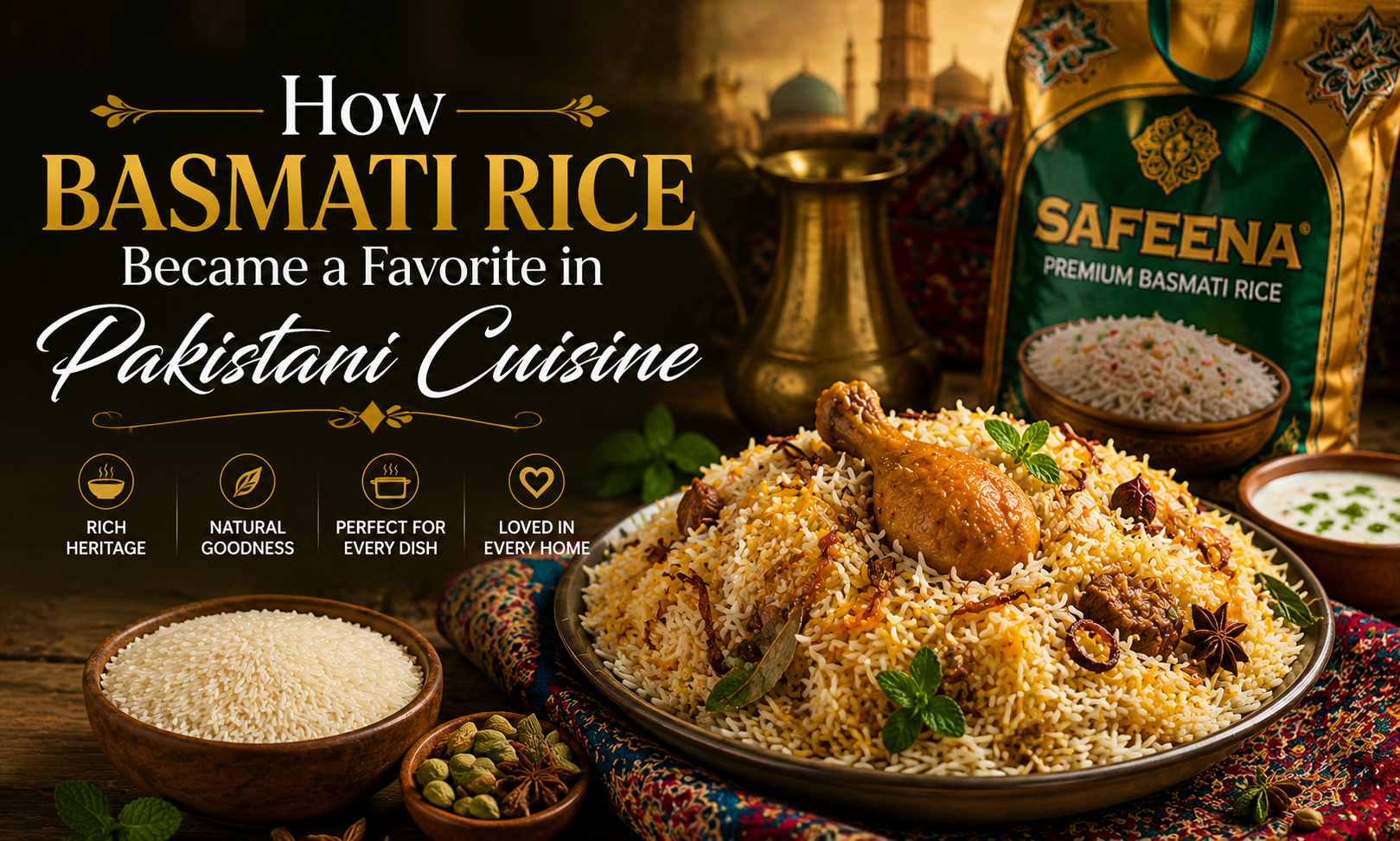
Many Traditional Pakistani Rice Dishes demonstrate why basmati became so widely appreciated. Biryani is perhaps the best-known example. It combines rice with spices, meat, vegetables, herbs, and other ingredients, creating a dish in which the rice needs to hold its own while absorbing surrounding flavors.
Pulao offers another example. Depending on the region and recipe, it may contain meat, stock, spices, vegetables, or dried fruits. The rice provides a foundation that brings these ingredients together.
Beyond these famous dishes, rice is regularly served alongside lentils, curries, grilled foods, and vegetables. Its versatility means that it does not need to be the centerpiece of a meal to be important.
The Influence of Rice Culture in Pakistan
The development of Rice Culture in Pakistan is not limited to cooking methods. Rice is also associated with hospitality, family gatherings, celebrations, and special occasions.
Large rice dishes are often prepared when families gather because they can feed several people and provide an attractive centerpiece for the meal. Biryani, pulao, and other rice dishes can also be adapted according to personal preferences, making them suitable for different occasions.
This cultural familiarity has helped rice remain relevant across generations. Older cooking traditions continue to influence modern households, while younger cooks often experiment with ingredients and techniques without abandoning familiar foundations.
Why Aroma Matters
One of the qualities people often associate with basmati is its natural fragrance. Aromatic Rice Grains can add an appealing sensory element to a meal even before the food reaches the table.
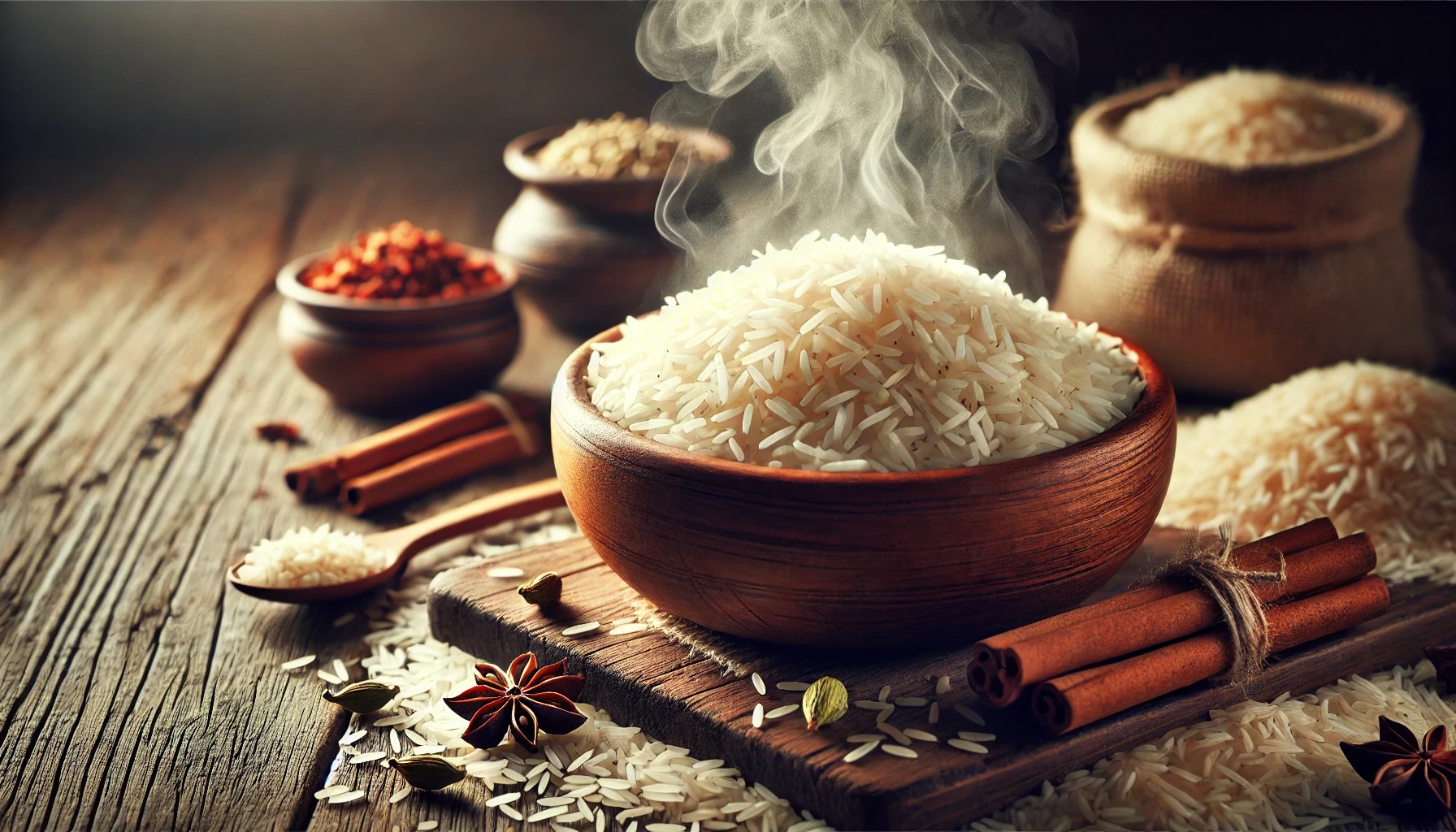
When cooked properly, basmati develops a recognizable aroma that works particularly well with spices. It can complement ingredients such as cardamom, cinnamon, cloves, cumin, saffron, herbs, and fried onions.
The fragrance is subtle enough to work with simple meals while still contributing character to more elaborate recipes. This versatility is one reason aromatic rice continues to be valued by home cooks and professional kitchens.
Basmati in Everyday Pakistani Meals
Although basmati is often associated with biryani and special occasions, its role extends much further. Pakistani Rice Cuisine includes simple preparations that can be served as part of an ordinary family meal.
Plain steamed rice, jeera rice, pulao, and rice served with lentils or vegetable dishes are examples of how rice can become part of regular household cooking.
For busy families, rice is also practical because it can be prepared in larger quantities and paired with different dishes. Leftover cooked rice can sometimes be used in other recipes, reducing food waste and providing additional meal options.
Changing Preferences and Modern Cooking
Pakistani food continues to evolve. Modern cooks have access to a wider range of rice products, cooking appliances, recipes, and international food influences.
Despite these changes, basmati remains popular because it can adapt to different cooking styles. Traditional methods can be used alongside rice cookers, pressure cookers, and modern kitchen techniques.
Health-conscious consumers may also pay greater attention to portion sizes, cooking methods, and the ingredients served alongside rice. This does not necessarily reduce the importance of rice; instead, it encourages people to think more carefully about how it fits into a balanced meal.
A Staple That Brings People Together
Food often becomes meaningful because of the memories connected to it. Rice-Based Family Meals can represent weekend lunches, holiday gatherings, wedding celebrations, or ordinary dinners shared after a busy day.
Basmati's role in these moments is not simply nutritional. Its aroma, appearance, and familiar texture can contribute to the overall experience of eating together.
This emotional and cultural connection helps explain why the rice remains a familiar choice even as Pakistani food habits continue to change.
Conclusion
Basmati became a favorite in Pakistani cuisine through a combination of culinary versatility, cultural familiarity, and distinctive natural qualities. Its slender grains, fragrance, and ability to complement strongly flavored ingredients make it suitable for everything from simple family meals to elaborate celebratory dishes.
Its continued popularity demonstrates how a food ingredient can become more than a kitchen staple. Through generations of recipes and shared meals, basmati has developed a lasting connection with Pakistani cooking and the traditions surrounding it.
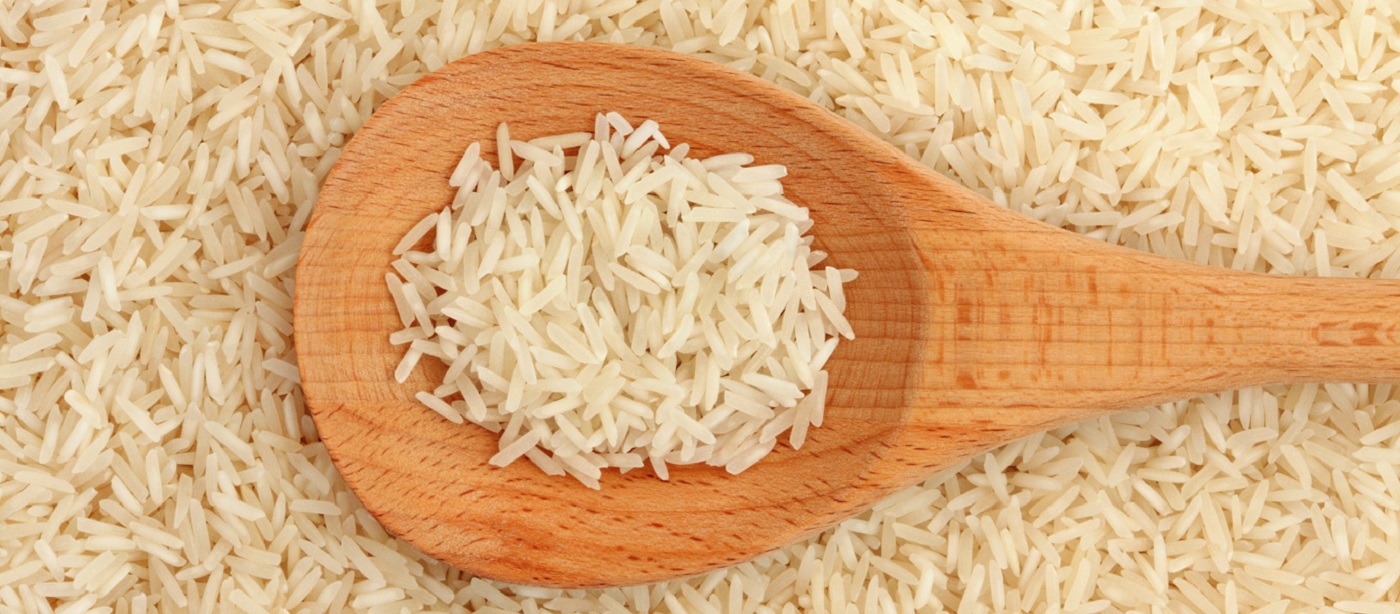
Traditional Pakistani Rice is the queen of premium aromatic rice varieties, exclusively cultivable in the uttermost fertile regions of Pakistan.
According to the statistics, although India shoulders 90% of the world’s Basmati and Non-Basmati Rice demands, it is only followed by Pakistan to meet the rest of the demands arising from West Africa and the Middle-east.Why You Should Buy Pakistani Traditional Rice?With all the leading Pakistani Traditional Rice exporters.It is a matter of absolute honor that currently, we are a brand of trust to millions of importers.Such a stature in the global market is the result of our relentless efforts to provide our buyers deal-closing the best prices.According to our customers, Tradologie’s transparent yet robustly secure trade process.Interested to buy Pakistani Traditional Rice at the best price?
Please reach out to our prominent rice wholesalers for the best quotes by either giving us...