



Maltodextrin is widely used in pharmaceutical and nutraceutical formulations as a binder, diluent, bulking agent, carrier, coating aid, and carbohydrate source. Its functionality can vary significantly depending on the dextrose equivalent (DE), source starch, particle characteristics, and grade.
For manufacturers, selecting the right Maltodextrin Distributors means evaluating product consistency, pharmaceutical or food-grade documentation, regulatory compliance, supply reliability, and formulation support. Here are eight suppliers worth considering.
1. Elchemy
Elchemy is a technology-enabled chemical and ingredient sourcing company offering ELVISC™ MDX G1 Maltodextrin. The product is a spray-dried white powder produced through partial starch hydrolysis and offers properties such as solubility, binding, and a moderate-to-neutral taste.
Elchemy supports bulk sourcing for manufacturers across international markets and provides product documentation, samples, and procurement support. Its maltodextrin portfolio is positioned for food and pharmaceutical applications, Sodium Citrate Suppliers, making it an option for companies looking for a flexible sourcing partner rather than a single-origin manufacturer.
Best for: Manufacturers seeking flexible global sourcing and bulk maltodextrin procurement.
2. Cargill
Cargill offers C☆PharmDry™ maltodextrins specifically for pharmaceutical applications. These spray-dried maltodextrins are available with different DE values and can function as diluents, binders, carbohydrate sources, and coating agents.
Cargill identifies applications including solid dosage forms, capsules, powder formulations, liquid dosage formulations, spray-drying of active substances, and oral nutritional supplements. Its pharmaceutical portfolio is supported by dedicated quality, regulatory, and application expertise.
Best for: Pharmaceutical manufacturers requiring dedicated excipient solutions and formulation support.
3. Roquette
Roquette is a major supplier of plant-based pharmaceutical and nutraceutical excipients. Its GLUCIDEX® maltodextrin range includes products designed for applications such as tablets, granules, pellets, and nutritional formulations.
For example, GLUCIDEX® 9 can serve as a filler and binder while also functioning as a carbohydrate source. Roquette also provides technical and regulatory support for pharmaceutical and consumer-health formulations.
Best for: Pharmaceutical and nutraceutical companies seeking specialized excipients and formulation expertise.
4. Ingredion
Ingredion supplies maltodextrin products under brands including FARMAL® MD and GLOBE® maltodextrins. Its portfolio includes different DE grades and products designed for applications involving food, pharmaceutical, and personal-care formulations.
Ingredion's documentation includes FARMAL® MD 10 and MD 15 maltodextrins, while its North American documentation also covers GLOBE® 10, 15, and 18 DE maltodextrins with Non-GMO Project Verified status.
Best for: Manufacturers requiring multiple maltodextrin grades and established ingredient supply.
5. Grain Processing Corporation (GPC)
Grain Processing Corporation offers its MALTRIN® maltodextrin range for nutraceutical and pharmaceutical-related applications. GPC specifically identifies maltodextrins as useful for tablets, capsules, granulations, coatings, and nutritional formulations.
Its portfolio includes standard and quick-dispersing maltodextrins, with NF versions available. MALTRIN® products can function as binders, carriers, flow aids, and spray-drying aids for nutraceutical ingredients.
GPC also describes itself as one of the leading maltodextrin producers in North America, providing a potential supply advantage for North American supplement manufacturers.
Best for: North American nutraceutical manufacturers requiring functional maltodextrins and dependable regional supply.
6. Tate & Lyle
Tate & Lyle supplies STAR-DRI® maltodextrins and corn syrup solids, manufactured in the United States from dent and waxy maize. The portfolio covers DE values from 1 to 42 and is available in powder and granular forms.
The products provide body, viscosity, moisture control, and carrier functionality, making them relevant for nutritional products and formulations where carbohydrate functionality is important.
Best for: Nutraceutical and nutrition manufacturers looking for U.S.-produced carbohydrate ingredients.
7. ADM
ADM provides maltodextrin and syrup-solid solutions through its human nutrition portfolio, including maltodextrins derived from dent corn and organic tapioca. Liquid maltodextrin is also available in selected regions.
ADM also has dedicated pharmaceutical ingredient capabilities, including specialized production lines and R&D and regulatory teams supporting pharmaceutical applications.
Best for: Large nutrition and pharmaceutical ingredient buyers seeking a broad global ingredient portfolio.
8. Gulshan Polyols
Gulshan Polyols manufactures maltodextrin from corn and rice starch, including non-GMO rice-based maltodextrin. Its product is supplied as a white, free-flowing powder and can be used as a binding agent in pharmaceutical tablets as well as in health drinks, protein products, and other nutritional applications.
The company offers maltodextrin with DE specifications around 18–20% and customized packaging options, making it relevant for bulk ingredient procurement.
Best for: Buyers seeking rice- or corn-based maltodextrin with bulk manufacturing and packaging flexibility.
How to Choose a Maltodextrin Supplier
Before purchasing maltodextrin for pharmaceutical or nutraceutical production, manufacturers should evaluate:
Grade and specification – Confirm whether pharmaceutical, NF, food, or other documentation is required.
DE value – Different DE levels can influence sweetness, solubility, viscosity, binding, and processing behavior.
Dosage-form performance – Check suitability for tablets, capsules, granules, powders, gummies, beverages, or oral nutritional products.
Regulatory documentation – Request specifications, COA, SDS, allergen information, and applicable regulatory certificates.
Source material – Corn, tapioca, rice, and other starch sources may matter for labeling, sourcing, and formulation requirements.
Non-GMO and certification requirements – Verify requirements for Non-GMO, Halal, Kosher, or other certifications where applicable.
Supply continuity – Evaluate manufacturing capacity, inventory, lead times, and geographic distribution.
Technical support – Formulation assistance can be particularly valuable when optimizing binding, flow, dissolution, or spray-drying performance.
Conclusion
The right maltodextrin supplier depends on the formulation, required DE value, regulatory grade, dosage form, and procurement volume. Elchemy offers a flexible sourcing model for bulk buyers, while Cargill and Roquette have dedicated pharmaceutical excipient portfolios. Ingredion provides multiple maltodextrin grades, while GPC has a strong focus on nutraceutical applications and North American supply.
Tate & Lyle, ADM, and Gulshan Polyols provide additional options for manufacturers seeking different starch sources, product formats, and supply models. Comparing specifications, documentation, technical support, and total procurement cost is essential before selecting a long-term supplier.


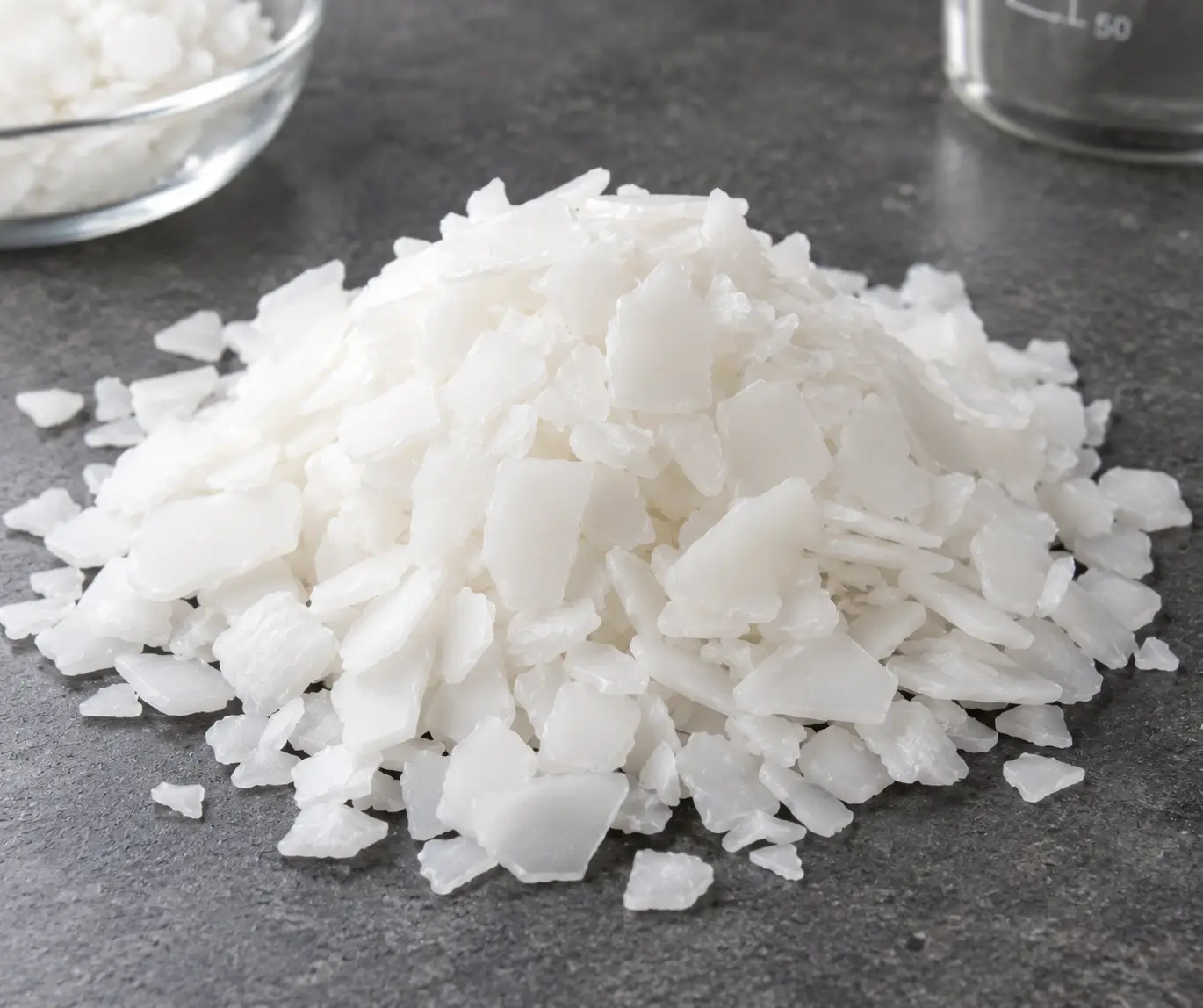
Global manufacturers increasingly rely on chemical suppliers that can do more than provide products. International sourcing requires supplier qualification, quality control, regulatory documentatio

Many cosmetic products from deodorants, to emollients, nail polishes, and antiperspirants are made using this active ingredient.
Similarly, it is used for flavoring in the food industry.
You’ll find many triethyl citrate manufacturers in the world.https://sites.google.com/view/mamtapolycoats/home Triethyl Citrate Manufacturer, Triethyl Citrate Supplier, Triethyl Citrate
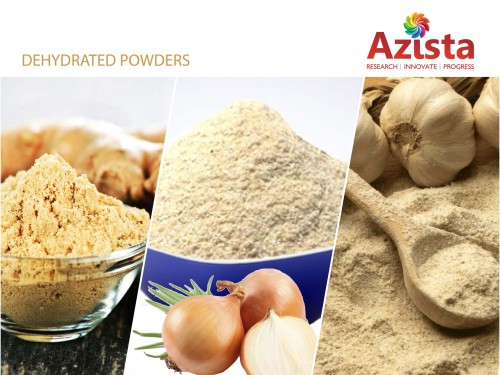
Wholesaler for Dehydrated Vegetable Powders, Fruit Powder and Natural Dried Fruit Powder at Indian Manufacturer and Bulk Supplier from Dehydratedfood.co.in