


Water is important for everyday life, but clean-looking water isn't always safe to drink. Contaminants can enter water at the source, in pipelines, storage tanks, or household plumbing. Follow practical precautions to ensure that the water your family drinks and uses for cooking is clean and safe.
Know Your Water Before You Treat It
Every water source comes with its own challenges. Municipal water may contain traces of chlorine or impurities picked up through aging pipelines, while borewell water can have excess minerals, hardness, or dissolved salts. Testing your water is therefore a smart first step. Once you understand its quality, you can choose a water purifier ( https://www.lg.com/in/water-purifiers/ ) for the specific contaminants present in your supply.
Choose the Right Purification Technology
Not all purification systems work in the same way. RO technology can reduce dissolved salts and certain contaminants, while UV technology deactivates microorganisms. UF filtration can help remove suspended particles and certain microbes without electricity. The ideal water purifier depends on your water source, quality, and household requirements. Choosing based on actual water conditions can make purification more effective.
Keep Purified Water Truly Clean
Purifying water is only part of the process. Poor storage can reintroduce contaminants after treatment. Always keep drinking water in clean, covered containers and avoid dipping unwashed hands, cups, or utensils into stored water. Wash storage vessels regularly and keep them away from dust, direct sunlight, and cleaning chemicals. If your water purifier has a storage tank, follow the manufacturer's cleaning recommendations to maintain hygiene.
Give Your Purifier the Care It Deserves
Even a high-quality purification system needs regular maintenance. Filters and cartridges collect impurities over time and may become less effective when they don't get replaced as per the recommended schedule. Check your system periodically and arrange servicing when necessary. A well-maintained water purifier can provide more consistent performance and help prevent changes in taste, odour, or water quality.
Make Water Hygiene a Daily Habit
Simple habits can make a significant difference. Wash your hands before handling drinking-water containers, clean glasses regularly, and keep taps and dispenser outlets free from dirt. Avoid storing drinking water in open vessels for longer periods. If your household uses reusable bottles, wash and dry them thoroughly instead of simply refilling them repeatedly.
Stay Alert to Water-Quality Changes
Check sudden changes in the colour, smell, or taste of your water. Such changes may indicate an issue with the supply, plumbing, storage system, or purification equipment. If local authorities issue a water-safety advisory, follow their instructions and use an appropriate alternative water source until the problem is resolved.
Turn Clean Water Into a Healthy Routine
Safe drinking water comes from more than just installing a filtration system. Understanding your water source, selecting suitable purification technology, maintaining your equipment, storing water hygienically, and practising good household habits all work together. By making these steps part of your daily routine, you can create a cleaner and safer drinking-water environment for everyone at home.
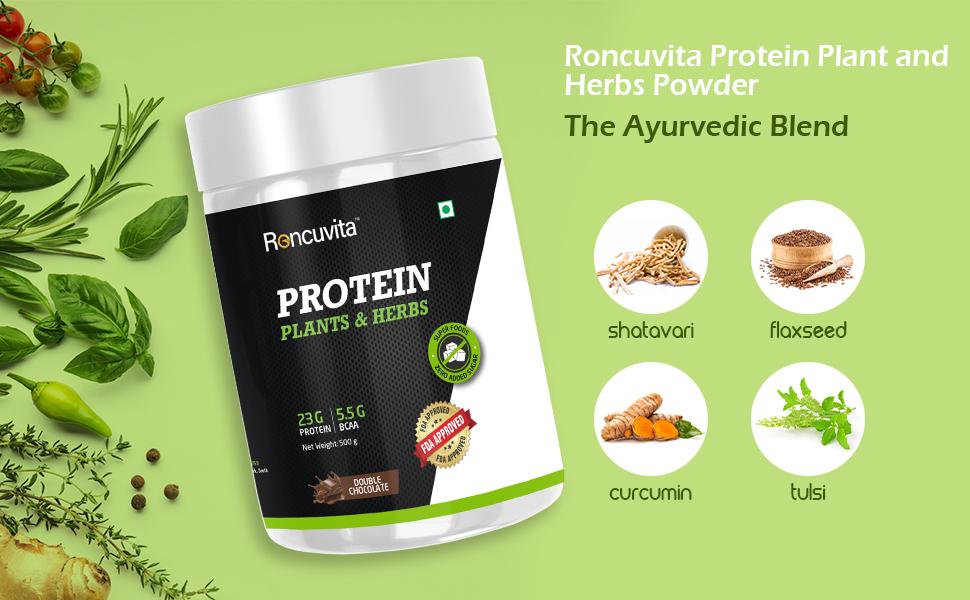
Whey plant protein powder have been the go-to since the weight training blast of the 80s, and cunning advertising has convinced the two competitors and the more extensive populace that plant protein powder is vital (or if nothing else a convenient alternate route) to ideal wellbeing and execution.