


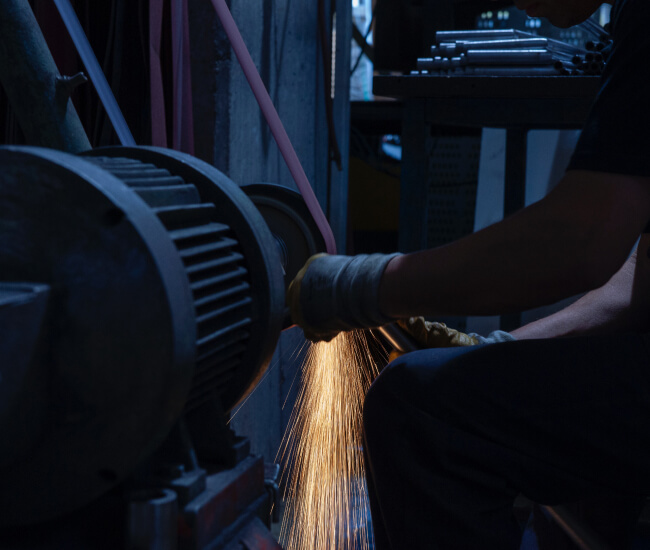
Cookware lines rarely lose efficiency because one machine is dramatically slow. More often, small mismatches between polishing, punching, trimming, riveting and handling accumulate into waiting, rework and extra operators. The point is not to make purchasing complicated. It is to make the few important variables visible early. For buyers looking at cookware production equipment, this is a better starting point than asking which option has the longest feature list. In industrial buying, the awkward details usually sit at interfaces: material to machine, part to fixture, drawing to inspection, or component to system, especially in a cookware production equipment decision where fixture and tooling strategy can change the result. The useful question is what has to remain true once the product or service leaves the demo environment and enters normal use, with line integration and maintenance providing the relevant reference point here.
The specification is only useful if it describes the real job — part range and changeover
Write down the operating condition, the user, the environment and the one outcome that would make the purchase unacceptable. That short description gives the technical discussion a center. Confirm the diameter, depth, material and wall thickness range for each process, then ask how long a normal changeover takes with trained operators. On paper, this can sound like a minor distinction. In routine use, it is often the difference between a smooth job and repeated adjustment, especially in a cookware production equipment decision where part range and changeover can change the result.
Fixture and tooling strategy
Fixtures should locate the part repeatably without marking visible surfaces. Ask which tooling is included and which cookware geometries need custom work. The best answer is usually tied to a method, a condition or a concrete example, with line integration and maintenance providing the relevant reference point here. A short note or reference sample here can prevent a surprising amount of back-and-forth later, and the practical check here is tied to surface and dimensional acceptance.
A closer look at cycle time versus usable output
Quoted cycles per minute should be separated from real output after loading, unloading, inspection and occasional adjustment. The best answer is usually tied to a method, a condition or a concrete example, especially in a cookware production equipment decision where part range and changeover can change the result. If the answer is vague, ask what the normal acceptance method is and who checks it, and the practical check here is tied to surface and dimensional acceptance.
Where surface and dimensional acceptance becomes practical
For polishing, define finish and scratch criteria. For punching or cutting, define burr and dimensional limits. For riveting, define joint tightness and cosmetic marks. The best answer is usually tied to a method, a condition or a concrete example; in this case, fixture and tooling strategy is the detail that makes the point concrete. This is also a good place to separate a genuine technical limit from a sales preference, and the practical check here is tied to surface and dimensional acceptance.
Do not treat line integration and maintenance as a checkbox
Air supply, dust extraction, power, spare wear parts and access for maintenance affect uptime after installation. The best answer is usually tied to a method, a condition or a concrete example, and the practical check here is tied to cycle time versus usable output. For cookware production equipment, that makes this a useful point to confirm before the decision is locked.
The test I would run before committing — part range and changeover
Run a controlled trial on the actual material, part geometry or operating condition. Record the setup, the acceptance limit and what changed when the process was pushed toward its normal worst case, especially in a cookware production equipment decision where fixture and tooling strategy can change the result. Write down the setup as well as the result. Without the setup, a later pass/fail comparison can be misleading, especially in a cookware production equipment decision where fixture and tooling strategy can change the result.
What should be written into the order — part range and changeover
Separate the base item from tooling, custom work, inspection, packing and service so that two offers can be compared on the same technical scope. A clear limitation is easier to manage than a broad promise that can be interpreted three ways later, especially in a cookware production equipment decision where fixture and tooling strategy can change the result.
Real use should feed back into the specification — part range and changeover
Treat the first production batch as a qualification extension. Note drift, rework, adjustment time and any difference between the approved sample and routine output, especially in a cookware production equipment decision where fixture and tooling strategy can change the result. Do not build a giant scorecard. Two or three recurring observations are usually enough to show where the next revision belongs, especially in a cookware production equipment decision where fixture and tooling strategy can change the result.
Before signing off, get answers to these points — part range and changeover
- part range and changeover: What evidence would you use to show that this point matches the intended application rather than a generic specification?
- fixture and tooling strategy: Which condition or tolerance should be written down so the buyer and seller are judging the same thing?
- cycle time versus usable output: What is the most realistic way to check this before a full commitment is made?
- surface and dimensional acceptance: If this changes between versions, lots or jobs, how will the change be communicated?
- line integration and maintenance: What should the user look for during the first weeks to know that the choice is behaving as expected?
A sensible specification leaves room for the unimportant things — part range and changeover
Not all five points need the tightest possible limit. For cookware production equipment, the sensible approach is to protect the characteristics that affect fit, function, safety, appearance or downstream work, and give the rest enough room for normal production or service variation. The exercise sounds obvious, but it prevents a common problem: a team argues intensely about a visible minor difference while a hidden functional difference receives no written attention, especially in a cookware production equipment decision where fixture and tooling strategy can change the result.
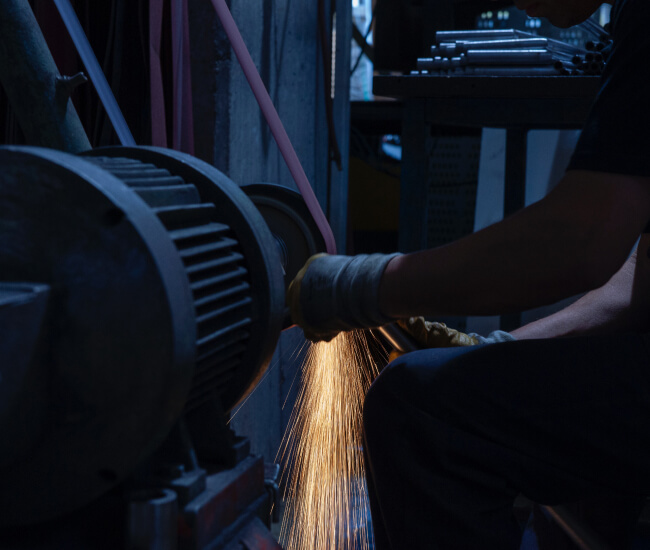 What this means for cookware production equipment
Before buying a machine or a group of machines, map one representative cookware model through the whole process and identify where handling, tooling or inspection will become the real bottleneck. The aim is not perfect certainty. It is to remove the avoidable uncertainty before it becomes rework, downtime or a disappointing purchase. More information about the company and its current offering is available at https://zqzdtechnology.com/.


When it comes to quality in the kitchen, All-Clad Cookware is at the top of the list.
Crafted from only the highest quality raw metals, All-Clad uses a unique patented process to bond two or more different metals together to create cookware that performs like no other.
All-clad hard-anodized cookware has many benefits and very little setbacks, which makes it one of the best options to choose when buying a cookware set.Skip to the best All-Clad Fry Pan on Amazon.visit me at All clad cookware

We have award winning range of high quality designed cookware, stockpots and casseroles Cookware in the Australia.
Contact us today at neoflam.com.au and buy the right cookware for your home needs.Stockpots
