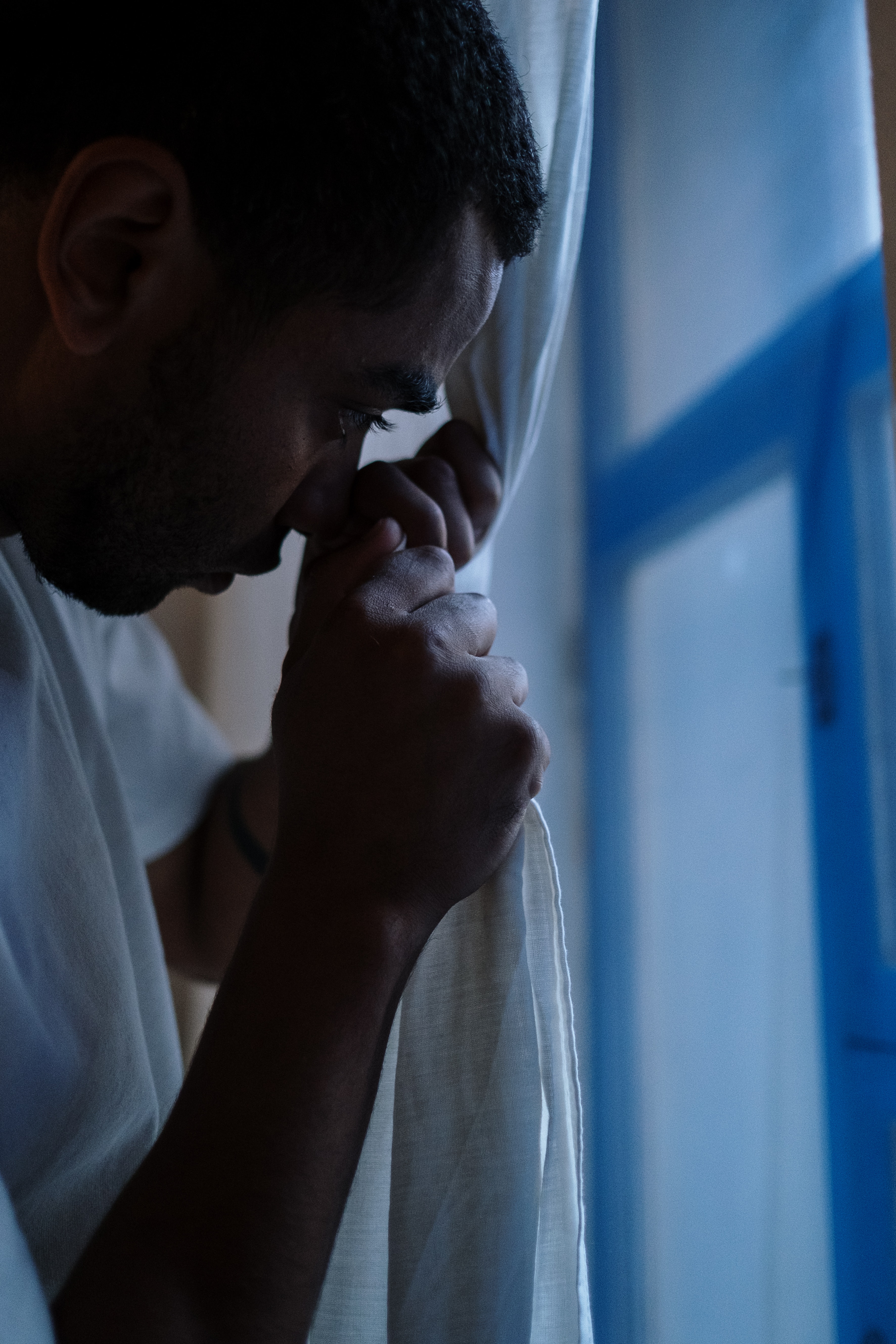
If the stroke has altered your gait, your ability to use your hand, and even your capacity to perform daily tasks, it may seem like life has stopped for you. However, there is hope because rehabilitation will allow you to strive towards your goals.
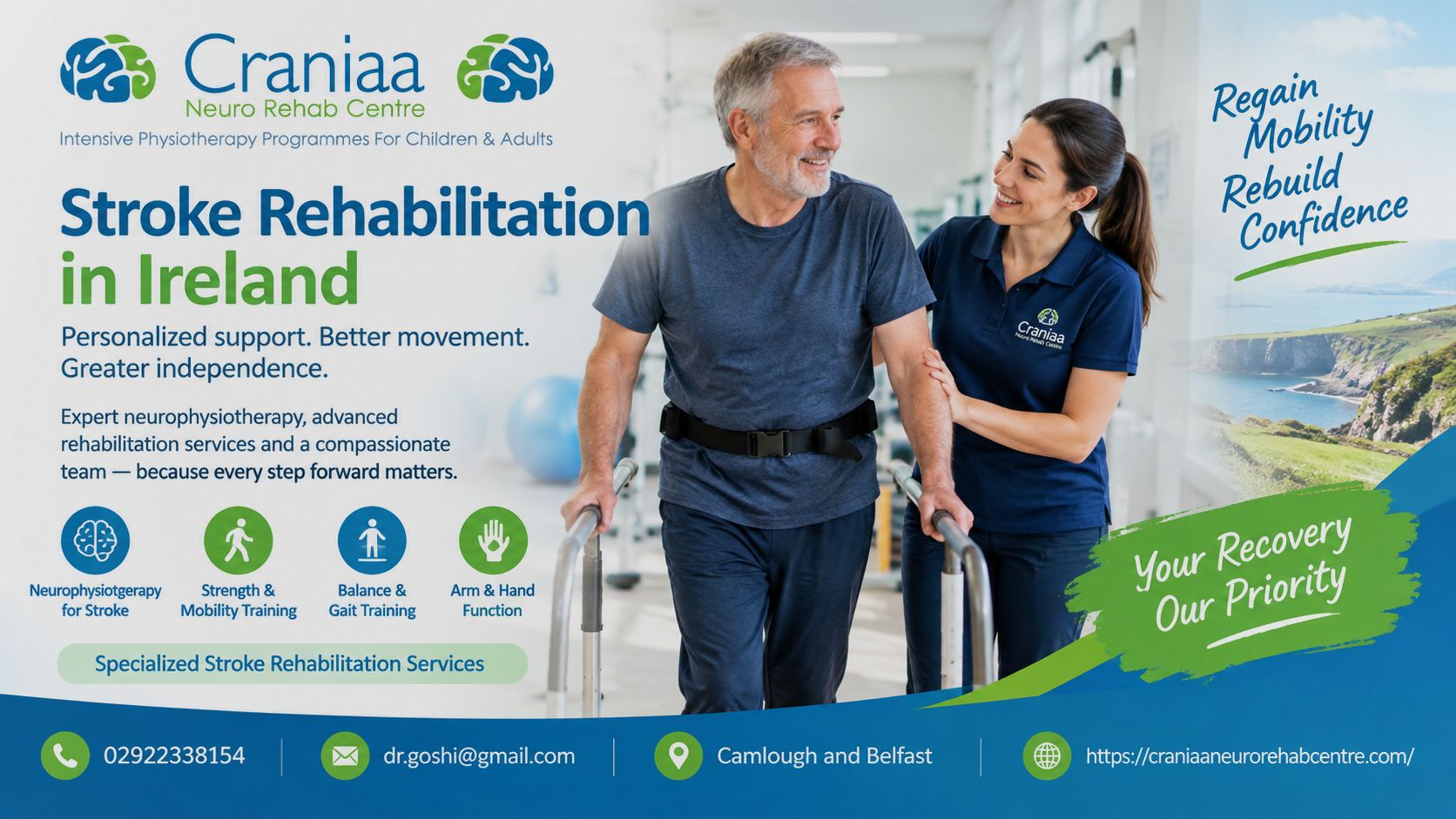
Stroke rehabilitation in Ireland is not simply about exercise. It is a structured process focused on movement, function, confidence and greater independence. At Craniaa Neuro Rehabilitation Centre, the stroke programme combines specialist physiotherapy with strength, mobility and brain training. The centre also describes intensive sessions and specialist rehabilitation equipment.
What Is Stroke Rehabilitation?
Stroke rehabilitation is an area in which an individual gets assistance in regaining the lost physical capabilities because of the stroke. The therapy can be geared towards walking, balance, strength, coordination, posture, pain, arm and hand movement and mobility.
There should first be an individual assessment done. This will allow the therapist to know what the abilities, problems and goals of the individual are.
For people searching for stroke rehabilitation in Ireland, it is important to look beyond a generic exercise plan. Rehabilitation should be adapted to the individual's condition, recovery stage and functional goals.
How Can Neurophysiotherapy for Stroke Help?
Neurophysiotherapy for stroke focuses on improving movement and physical function following neurological injury. Treatment can involve task-focused movement, balance exercises, strengthening, gait training and supported walking.
Craniaa describes structured strength training, mobility training and brain training, together with supported standing, walking and treadmill practice. Its stroke service also includes hand and arm functional therapy, balance training and facial exercises.
However, for others, progress may go on well past the initial stroke experience. Everyone’s recovery is unique, but continual assessment will help to determine possibilities for improvement.
Why Choose Specialised Stroke Rehabilitation Services?
Specialised stroke rehabilitation services provide a focused environment for people whose movement and independence have been affected by stroke. Craniaa lists equipment including a Universal Exercise Unit, electrical muscle stimulation and Moto Med, alongside exercise and physiotherapy approaches.
It is not just a matter of doing exercises. Therapy should connect with everyday life: standing safely, taking steps, improving arm use, managing balance or becoming more confident with daily activities.
For families researching stroke rehabilitation in Northern Ireland, Craniaa lists services in Belfast and Camlough and describes intensive rehabilitation sessions lasting one to three hours.
What Can a Rehabilitation Programme Include?
A programme can vary from person to person but may include:
- Strength and mobility exercises
- Balance and gait training
- Supported standing and treadmill practice
- Arm and hand functional activities
- Electrical muscle stimulation where appropriate
- Pain-management techniques
- Functional activities related to daily life
Craniaa emphasises individualised goals and neurological rehabilitation.
Why Can an Individual Assessment Matter?
Post stroke, many people wonder, “Will I ever be able to walk again?” or “Can my hand get better?” No blanket response exists because recovery varies from person to person.
A professional assessment can provide a clearer picture of current function and help establish practical goals. Craniaa states that specialist physiotherapy may support mobility and movement and that functional improvement can occur long after stroke onset.
For anyone considering stroke rehabilitation in Ireland, this is an important reason not to assume that recovery opportunities end after a particular period.
FAQ About Stroke Rehabilitation
1. When should stroke rehabilitation begin?
Rehabilitation planning can begin early, but timing depends on medical stability and individual needs. A qualified professional can assess readiness and create an appropriate programme.
2. Can rehabilitation help years after a stroke?
Yes, improvement may remain possible long after stroke. Results vary, so assessment, realistic goals and consistent therapy are important for identifying achievable functional gains.
3. What does stroke rehabilitation in Northern Ireland involve?
This may comprise physiotherapy, exercise, balance and gait training, hand and arm exercises, assisted walking, and customised techniques tailored to individual needs.
4. Is neurophysiotgerapy for stroke suitable for everyone?
Neurological physiotherapy is highly personalised to each patient. Assessing the patient will provide information on what exercises are appropriate for him and at what intensity and in what equipment.
5. How can I find specialized stroke rehabilitation services?
Seek professionals with qualifications, accurate evaluations, and personalized objectives. Make sure to talk about the patient’s needs and aims prior to treatment.
Conclusion: Take the Next Step
Rehabilitation following a stroke is a personal experience, and having the right kind of support will make it more organised and focused. Stroke Rehabilitation in Ireland will not just consist of exercises; it will cover practical mobility, balance, confidence and independence.
Craniaa Neuro Rehabilitation Centre offers neurologically focused physiotherapy and says that rehabilitation for stroke and other neurology cases includes structured and technologically aided treatment programmes.
If you or any family member is interested in stroke rehabilitation in Ireland, then do get in touch with Craniaa.