


Introduction
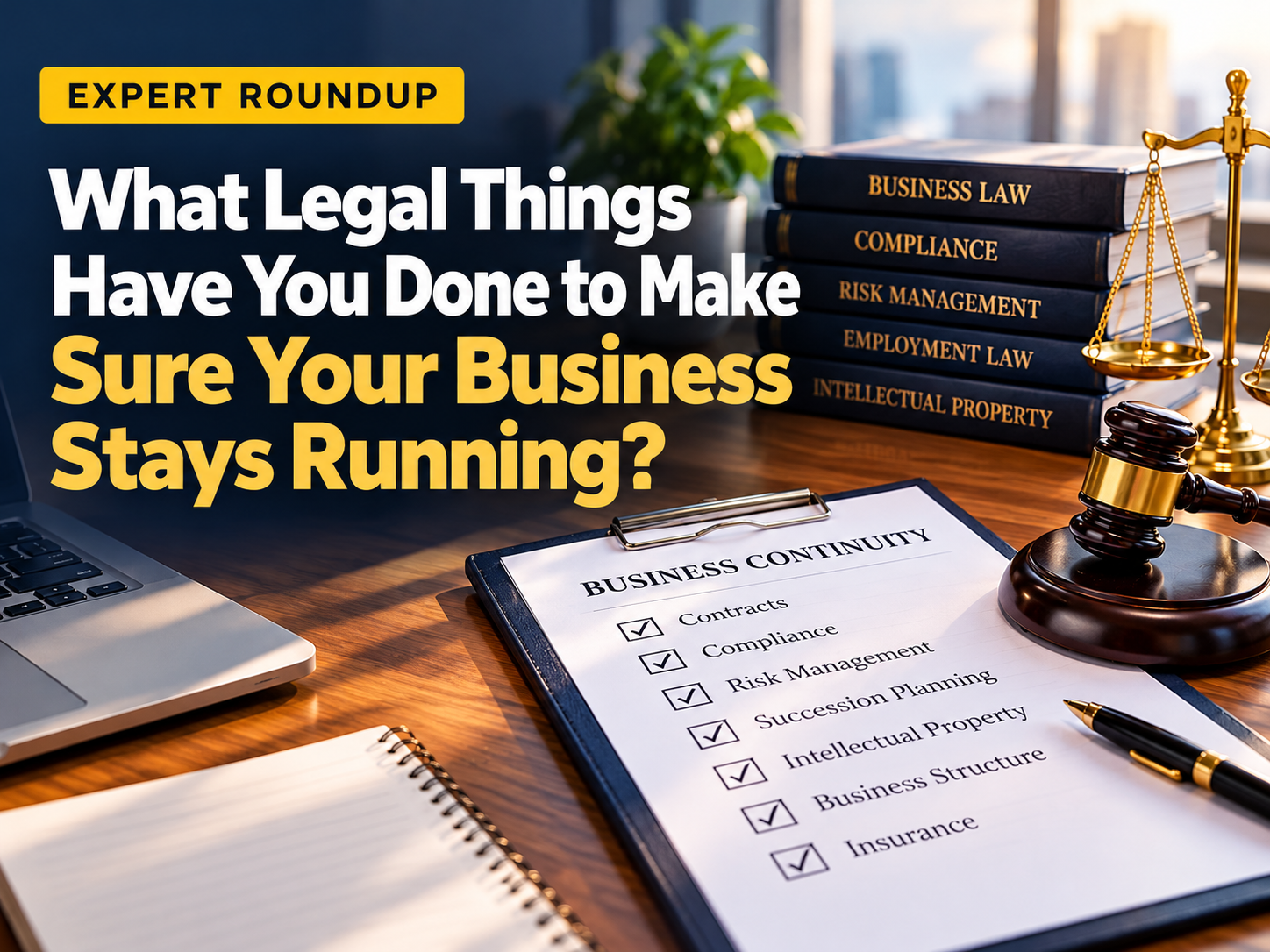
Keeping a company operational takes more than steady sales and reliable employees. Business owners also need legal safeguards that protect ownership, contracts, decision-making authority, intellectual property, compliance, and succession.
To understand what that looks like in practice, we asked seven lawyers, founders, and business leaders what legal steps they have taken to keep their businesses running. Their answers cover business continuity planning, contracts, corporate structure, insurance, governance, succession planning, and compliance.
1. Oliver Morrisey — Founder & Director, Empower Probate Lawyers
Website: https://estateprobatelawyersydney.com.au/
Oliver Morrisey is a Sydney inheritance lawyer and the founder and director of Empower Probate Lawyers. His work covers estate planning, probate, estate administration, and succession matters.
“One thing I have taken seriously is making sure the business does not depend entirely on me being available every day. As an inheritance lawyer, I regularly see what happens when someone dies or loses capacity without leaving clear authority behind them, so I apply that lesson to my own business as well.
That means keeping proper corporate records, documenting who has authority to deal with important matters, maintaining appropriate insurance, and making sure essential information can be accessed by the right people if something happens to me. I also review my own estate and succession arrangements rather than treating them as documents you sign once and forget about. A business continuity plan only works if somebody else can actually understand and implement it.”
2. Dominic Woolrych — CEO, Lawpath
Website: https://lawpath.com.au/
Dominic Woolrych is CEO of Lawpath, an Australian platform that provides legal and business services to companies. He has written about shareholder agreements, intellectual property assignments, and founder vesting as documents that can address common ownership problems early.
“We put ownership arrangements in writing early. Founder relationships can be excellent today and completely different several years from now, so goodwill alone is not enough protection for the company.
A shareholders agreement should spell out decision-making, exits, transfers, disputes, and what happens if somebody stops contributing. We also make sure intellectual property actually belongs to the business rather than assuming it does because the company paid for the work. Those documents rarely feel exciting while everything is going well, but that is exactly the best time to sort them out.”
3. Alex Solo — Co-Founder & Principal Lawyer, Sprintlaw
Website: https://sprintlaw.com.au/
Alex Solo is a co-founder of Sprintlaw and a lawyer with a background in technology and media contracts. Sprintlaw advises businesses on areas including structure, contracts, intellectual property, privacy, employment, and compliance.
“I've made a habit of treating contracts as operating tools rather than documents that sit in a folder. Our agreements need to answer practical questions: who pays what, what each side has promised, who owns the finished work, how liability is handled, and how either party can end the relationship.
That clarity becomes very valuable during periods of pressure. You do not want to start debating the rules after a customer stops paying, a contractor leaves, or a commercial relationship breaks down. Properly drafted terms give the team something concrete to work from and reduce the chance that one disagreement interrupts the wider business.”
4. Tomoyuki Hachigo — Co-Founder, Sprintlaw
Website: https://sprintlaw.com.au/
Tomoyuki Hachigo is a lawyer, entrepreneur, and co-founder of Sprintlaw. His public biography lists corporate law, governance, startups, and not-for-profits among his areas of work.
“For me, governance is a big part of keeping a company stable. People sometimes associate governance with large corporations, but smaller businesses still need to know who has authority to make decisions, approve spending, sign contracts, and deal with an unexpected change in leadership.
I prefer documenting those responsibilities rather than relying on everyone to remember an informal arrangement. We also keep company records and important approvals organised. It sounds administrative until the business needs to raise money, bring in another owner, respond to due diligence, or make an important decision quickly. Then good records become incredibly useful.”
5. Lachlan McKnight — Founder & CEO, LegalVision
Website: https://legalvision.com.au/
Lachlan McKnight founded LegalVision and has led the legal services business for more than a decade. He previously worked as a banking and finance lawyer and investment banker and now works with businesses on growth and capital matters.
“One safeguard is separating the company from the individual founder as early as possible. The business should own its contracts, intellectual property, customer relationships, records, and systems rather than leaving important assets sitting informally with one person.
As a company grows, I would also review its structure rather than assuming the arrangement that worked at the beginning will remain suitable indefinitely. New employees, investors, jurisdictions, or business lines introduce different obligations. Legal housekeeping tends to be much cheaper while things are calm than after an ownership or compliance problem surfaces.”
6. Tom Willis — Co-Founder & Chief Marketing Officer, Lawpath
Website: https://lawpath.com.au/
Tom Willis is a co-founder and Chief Marketing Officer of Lawpath. He has worked on the company's growth while focusing on issues encountered by small businesses, and Lawpath describes its broader mission around helping companies manage legal, tax, and regulatory complexity.
“I pay attention to the legal side of marketing because it can quietly become a business risk. Email lists, customer data, advertising claims, website terms, trademarks, and promotional material all touch legal obligations somewhere.
We try to build those checks into normal operations rather than asking about them after a campaign is already live. It is much easier to correct wording, permissions, or data handling at the start than to deal with a complaint or regulator afterward. Keeping the business running sometimes comes down to preventing lots of small compliance problems from accumulating.”
7. Paul Hollerbach — CEO, Rocket Lawyer
Website: https://www.rocketlawyer.com/
Paul Hollerbach became CEO of Rocket Lawyer after previously serving as its CFO and holding senior roles across finance, operations, and strategy. His background includes more than 25 years in finance and business leadership.
“One area I would never leave informal is authority around money and important business decisions. Companies need clear controls around who can approve payments, enter agreements, access financial accounts, and commit the organisation to major obligations.
You also need redundancy. If only one employee knows how a payment system, banking relationship, contract process, or compliance obligation works, that person has become an operational single point of failure. Documenting those processes and assigning appropriate backup authority helps the business continue moving even if somebody unexpectedly becomes unavailable.”
Legal Steps That Help Protect Business Continuity
Although each expert approaches business protection differently, several themes appear repeatedly. Clear contracts reduce disputes, succession planning helps businesses operate during unexpected absences, and defined decision-making authority prevents confusion during emergencies.
Business owners should also keep ownership records updated, document important processes, protect intellectual property, maintain suitable insurance, and regularly review compliance obligations.
These legal steps to keep your business running are easier to put in place before a problem occurs. Waiting until a founder leaves, a dispute develops, or an emergency happens usually gives the business fewer options.
Frequently Asked Questions
What legal documents help keep a business running?
Important documents may include shareholder agreements, partnership agreements, employment contracts, contractor agreements, intellectual property assignments, privacy policies, terms of service, powers of attorney, and succession documents. The right documents depend on the company structure and jurisdiction.
Why is succession planning important for business owners?
Succession planning identifies who can make decisions, access important accounts, manage ownership interests, and continue operations if an owner dies, becomes incapacitated, retires, or unexpectedly leaves the company.
How often should a business review its legal documents?
Businesses should review important legal documents whenever ownership, staffing, services, regulations, or business structure changes. Many companies also schedule a broader legal review every year so outdated agreements and compliance issues do not accumulate.
Final Thoughts
Keeping a business running requires legal preparation alongside good operations and financial management. Contracts, succession planning, governance, insurance, compliance, and ownership documentation all help reduce disruption.
The strongest takeaway from these experts is simple: legal preparation should happen while the business is functioning normally, rather than after a dispute or emergency begins.


A small law firm in Los Angeles had a decent website.
It looked professional.
It listed services clearly.
It even had steady traffic.
But there was one problem—
almost