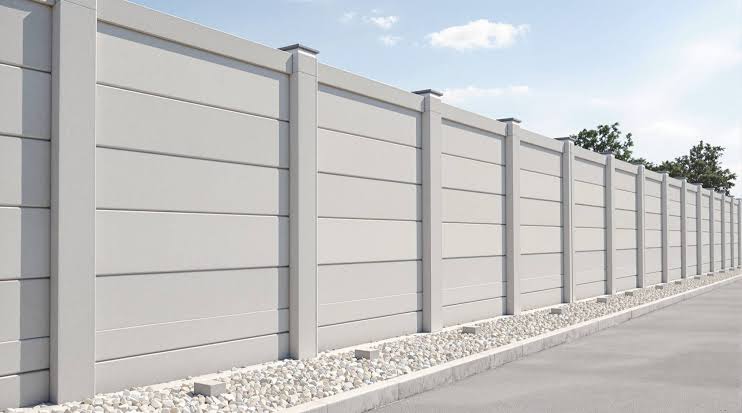
The construction industry is continuously evolving with innovative building solutions that improve efficiency, durability, and project management. Among these solutions, precast concrete products have become increasingly popular for infrastructure, commercial developments, industrial facilities, and boundary management. One such solution is the precast concrete indicative wall, which can help define boundaries, indicate designated areas, and support organised site layouts depending on the project requirements.
For construction projects that demand reliable concrete elements, precast technology offers advantages such as controlled manufacturing, consistent quality, and faster on-site installation. Solid Rock Concrete Work provides a foundation for understanding how concrete solutions can contribute to practical and efficient construction projects.
In this article, we explore what a precast concrete indicative wall is, its key benefits, common applications, and important factors to consider when selecting the right solution.
What Is a Precast Concrete Indicative Wall?
A precast concrete indicative wall is a concrete wall element manufactured in a controlled production environment before being transported to the construction site for installation. Depending on the project design, it may be used to indicate boundaries, separate designated areas, identify restricted zones, or create a clear physical division within a property or infrastructure site.
Unlike conventional cast-in-situ walls, which are constructed and cured at the project location, precast walls are produced in advance using prepared moulds and specified concrete mixes. Once the elements have achieved the required strength and passed applicable quality checks, they can be delivered to the site for installation.
The final design, dimensions, reinforcement requirements, and installation method depend on the intended application and project specifications.
Key Benefits of Precast Concrete Indicative Walls
Precast concrete indicative walls offer several practical advantages for projects where construction speed, consistency, and durability are important.
1. Faster Installation
One of the main advantages of precast concrete is that manufacturing can take place while other site preparation activities are underway. Once the site is ready and the elements are approved for delivery, installation can proceed without the need to cast and cure the entire wall on-site.
This approach can help reduce on-site construction activities and support better project scheduling.
2. Consistent Manufacturing Quality
Precast concrete elements are manufactured in a controlled environment using established production procedures. Moulds help maintain the specified shape and dimensions, while appropriate quality-control measures help ensure consistency between units.
Depending on the production process, inspections may cover dimensions, surface finish, concrete quality, reinforcement placement, and strength requirements.
3. Durability and Structural Reliability
Concrete is widely used in construction because of its strength, durability, and resistance to many environmental conditions. When appropriately designed, manufactured, installed, and maintained, precast concrete walls can provide a long-lasting solution for a variety of applications.
The required concrete grade, reinforcement, protective measures, and foundation design should be selected according to the intended use and exposure conditions.
4. Reduced On-Site Work
Traditional wall construction may involve several on-site activities, including formwork installation, reinforcement fixing, concrete pouring, and curing.
Precast technology shifts much of this work to the manufacturing facility. This can help reduce site congestion, simplify construction activities, and make project coordination more manageable.
5. Better Project Planning
Precast concrete walls can be manufactured according to approved drawings and coordinated with the installation schedule. This allows contractors to plan transportation, lifting equipment, site access, and installation activities more effectively.
However, accurate measurements, foundation readiness, and suitable delivery access remain essential for a smooth installation process.
6. Adaptability to Project Requirements
Precast indicative walls can be designed in different dimensions, profiles, and finishes to suit the project. Depending on the application, they may incorporate identification markings, surface treatments, or other specified features.
Customisation should be finalised during the design stage to ensure the finished elements meet the project's functional and technical requirements.
Common Applications of Precast Concrete Indicative Walls
The specific purpose of an indicative wall depends on the design and requirements of the project. Potential applications include:
Industrial and commercial properties: Defining designated zones and helping organise site boundaries.
Construction sites: Establishing physical divisions between work areas, storage locations, and other designated spaces where permitted by the project design.
Infrastructure projects: Supporting site organisation and defining specific areas within road, utility, or infrastructure developments.
Warehouses and logistics facilities: Separating operational areas and helping create clearly defined site layouts.
Property developments: Establishing visible divisions around selected areas of a property.
It is important to distinguish an indicative wall from a certified safety barrier, retaining wall, or security wall. These structures may have different performance requirements and should not be used interchangeably unless the design has been specifically approved for the intended function.
Precast Concrete Indicative Walls vs. Traditional Wall Construction
Both precast and conventional construction methods have their place in the building industry. The right option depends on project size, design complexity, site conditions, budget, and programme requirements.
Feature
Precast Concrete Wall
Cast-in-Situ Concrete Wall
Manufacturing
Produced before delivery to the site
Cast at the construction location
Site activities
Typically reduced
Generally requires more on-site operations
Quality control
Controlled production environment
Depends on on-site materials, workmanship, and supervision
Installation
Requires transportation and lifting arrangements
Requires formwork, reinforcement, pouring, and curing
Scheduling
Manufacturing can overlap with site preparation
Activities are more directly tied to on-site construction
Design flexibility
Depends on moulds and production capabilities
Can accommodate many shapes through suitable formwork
Precast construction can be particularly beneficial for repetitive wall sections and projects with tight schedules. However, transportation costs, lifting requirements, connection details, and access limitations should be considered before making a final decision.
Important Factors to Consider Before Installation
Choosing the appropriate precast concrete indicative wall involves more than selecting the dimensions or appearance. Several technical and practical factors should be evaluated.
Project Specifications and Design
Clearly define the wall's intended purpose, required height, length, thickness, and any additional features. Approved drawings should identify the necessary structural and dimensional requirements.
Foundation and Ground Conditions
The foundation must be suitable for the wall's loads and site conditions. Soil characteristics, drainage, settlement risks, and any lateral loads should be considered during the design process.
Concrete Quality and Reinforcement
Concrete specifications and reinforcement requirements should be appropriate for the intended application and relevant exposure conditions. Manufacturing inspections and applicable test records can help verify compliance with project requirements.
Transportation and Lifting
Precast elements must be transported and lifted safely. Their dimensions, weight, lifting points, vehicle access, and unloading arrangements should be assessed before delivery.
Installation and Alignment
Proper alignment, stable support, and secure connections are essential to the performance of the completed wall. Installation should follow approved procedures and be carried out by appropriately trained personnel.
Maintenance and Long-Term Performance
Periodic inspections can help identify cracks, damaged joints, movement, corrosion-related deterioration, or other issues that require attention. Maintenance requirements depend on the wall's design, location, and exposure conditions.
Why Choose Solid Rock Concrete Work for Concrete Solutions?
Selecting a suitable concrete supplier or contractor is an important part of achieving a successful construction outcome. Project teams should look for a provider that understands the technical requirements, coordinates manufacturing and delivery effectively, and follows appropriate quality and safety practices.
Solid Rock Concrete Work can position its concrete solutions around the needs of modern construction projects, with an emphasis on product suitability, quality-conscious execution, and dependable project coordination.
When evaluating a provider, customers should review the company's relevant product range, manufacturing capabilities, project experience, delivery arrangements, and ability to meet approved specifications.
For precast concrete indicative walls, clear communication between the client, designer, supplier, and installation team helps ensure that the selected product is appropriate for the site and its intended function.
The Future of Precast Concrete in Construction
As construction projects increasingly focus on productivity, consistency, and efficient use of resources, precast concrete continues to offer a practical alternative to certain conventional building methods.
Factory-based production can support repeatable quality, while coordinated delivery and installation can help streamline site activities. The success of a precast solution, however, depends on proper engineering, quality control, transportation planning, and professional installation.
Precast concrete indicative walls are one example of how prefabricated concrete elements can support organised and efficient site development when designed for the correct application.
Conclusion
A precast concrete indicative wall can be a useful solution for defining designated areas, supporting site organisation, and creating clear physical divisions in commercial, industrial, and infrastructure environments. Its potential benefits include faster installation, controlled manufacturing, reduced on-site work, and consistent dimensions.
To achieve the best results, project owners and contractors should evaluate the intended application, structural requirements, foundation conditions, transportation arrangements, and installation procedures before selecting a wall system.
Solid Rock Concrete Work can be part of your search for practical concrete solutions tailored to project requirements. Choosing the right product and ensuring proper installation can help support a durable, efficient, and well-planned construction project.
Frequently Asked Questions (FAQs)
1. What is a precast concrete indicative wall?
It is a concrete wall element manufactured before being transported to the site for installation. Depending on its design, it can define boundaries, separate designated areas, or help organise a property or construction site.
2. What are the main advantages of precast concrete walls?
Common advantages include controlled manufacturing, consistent dimensions, reduced on-site construction activities, and the potential for faster installation.
3. Where can precast concrete indicative walls be used?
Potential applications include industrial facilities, commercial properties, warehouses, construction sites, and selected infrastructure developments, depending on the wall's approved design and intended purpose.
4. Are precast concrete indicative walls suitable for outdoor use?
They can be suitable for outdoor applications when the concrete mix, reinforcement, structural design, connections, and protective measures are appropriate for the environmental conditions.
5. What should be checked before installing a precast concrete wall?
Important considerations include approved drawings, foundation conditions, element dimensions and weight, lifting arrangements, site access, connection details, and safe installation procedures.
6. How do I choose the right precast concrete indicative wall?
Start by defining the wall's purpose, dimensions, site conditions, and performance requirements. Consult a qualified professional and a suitable concrete provider to determine the appropriate design and installation method.
Looking for concrete solutions for your next project? Contact Solid Rock Concrete Work to discuss your project requirements and explore suitable options.