


Introduction
Modern law enforcement agencies need timely, accurate information to respond to incidents and make informed decisions. A crime intelligence dashboard brings essential data, alerts, crime patterns, and operational updates into one centralized interface. By connecting information from multiple systems, agencies can improve situational awareness, strengthen coordination, and support proactive policing.
1. Integrating Data From Multiple Sources
A smarter dashboard combines information from computer-aided dispatch (CAD), records management systems (RMS), automatic vehicle location (AVL), license plate recognition (LPR), and video feeds. A unified law enforcement intelligence platform helps authorized personnel access relevant information without switching between disconnected applications, creating a clearer operational picture.
2. Using GIS Mapping to Identify Crime Patterns
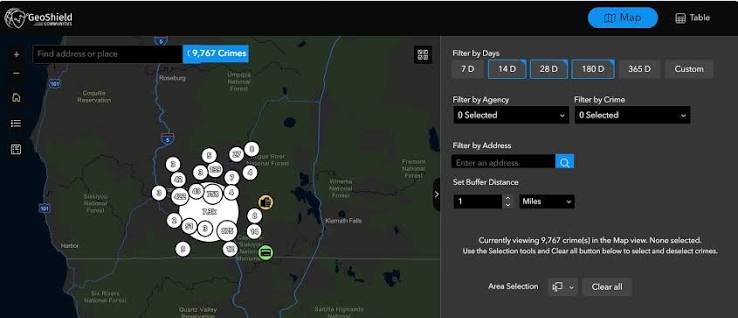
GIS-powered mapping enables analysts to visualize incident locations, identify crime hotspots, and examine geographic trends. A crime analysis dashboard can combine maps, historical records, and analytical reports to help teams understand where incidents occur and how patterns change over time. These insights can support patrol planning and evidence-based resource allocation.
3. Enabling Real-Time Operational Awareness
Real-time dashboards provide incident updates, alerts, unit locations, and relevant video feeds to support faster operational decisions. GeoShield’s Real-Time Dashboard integrates agency data and live video, while its Insight Dashboard supports the distribution of crime bulletins, BOLOs, and briefing notes to field personnel. These capabilities help improve communication between command staff, analysts, and officers.
4. Supporting Data-Driven Decisions
An effective police operations dashboard presents information through customizable widgets, visual reports, and actionable alerts. Leaders can monitor developing situations, analysts can investigate patterns, and field officers can access relevant intelligence. Appropriate access controls, reliable data, and human oversight remain essential for responsible use.
Conclusion
Building a smarter crime intelligence dashboard requires effective data integration, real-time updates, GIS crime mapping, and clear analytical visualizations. When these capabilities work together, law enforcement agencies can make better-informed decisions, coordinate resources, and respond more effectively to changing situations. Platforms such as GeoShield demonstrate how connected dashboards can support modern, intelligence-led policing.
FAQs
1. What is a crime intelligence dashboard?
A crime intelligence dashboard is a centralized interface that presents crime-related data, alerts, maps, and operational information to support analysis and decision-making.
2. How does a real-time dashboard help police departments?
It provides timely incident updates and relevant operational information, helping authorized personnel improve situational awareness and coordinate responses.
3. Why is GIS mapping important in crime intelligence?
GIS mapping helps analysts identify geographic patterns, visualize hotspots, and use location-based insights to support investigations and patrol planning.
4. What features should a law enforcement intelligence platform include?
Key features include CAD and RMS integration, real-time alerts, crime mapping, analytics, customizable dashboards, secure information sharing, and mobile accessibility.


Geographic Information Science (GIS) technology offers new insights for businesses and organizations.
From using geospatial analytics to analyze crime, to the development of drones, GIS technology offers seemingly endless opportunities for growth and innovation.GIS master programs professionals can analyze the communities where humanitarian work is being done to better allocate resources or map success stories related to their organization's goals.

Global CCTV Market – Overview:Global CCTV Market is in its happier days and experiencing substantial growth across the globe for the past few years owing to the rising concerns of security and safety.
This eventually, has resulted into an increased demand for technically advanced surveillance system and creating a huge growth opportunities for CCTV Market players.
The Segment – ‘Analog CCTV camera’ dominated the global CCTV Market in the past owing to emerging network IP as the leading technology.
The threat of terrorism and an increase in crime rate have also fueled the evolution of video analytics.CCTV systems are being widely utilized in the transportation sector to manage traffic flow and enhance highways safety, and they continue to play a significant role in retail sector for valuable management information.
The industry is maintaining the growth potential of the market through continuous ongoing course advances and supporting financial flexibility to spend in the finest strategies when they arise.The major players in this industry include Bosch Security System, Honeywell Security, AssaAbloy, Hikvision Digital Technology, Safran Security, Dahua Technology, Flir Systems, Samsung, Tyco Security Products, and Axis Communications amongst others.Industry Updates:Mar 2018 The state of Maharashtra in India after being directed by the Bombay High Court, in February 2016 to install Close Circuit Television Cameras (CCTVs) in all police stations, has of late made provisions in the state budget worth Rs 165.92 crore to install CCTV cameras.
This move is said to enable the interchange of essential information between the concerned police stations as and when needed.