



Introduction
Geographic Information Systems (GIS) play an important role in helping enterprises manage location-based data, analyse geographical information, and make informed business decisions. Organisations across industries such as utilities, transportation, government, construction, and logistics depend on GIS technology to understand spatial information and improve operational efficiency ArcGIS Cloud Modernization.
However, traditional on-premises GIS environments can create challenges as businesses expand. Limited infrastructure, increasing data volumes, maintenance requirements, and performance issues can affect the efficiency of enterprise GIS operations.
This is where ArcGIS cloud modernization becomes valuable. By moving GIS applications, data, and services to modern cloud environments, organisations can improve system performance, scalability, accessibility, and data management. Cloud modernization also helps enterprises build flexible GIS environments that support changing business requirements .
What Is ArcGIS Cloud Modernization?
ArcGIS cloud modernization refers to upgrading traditional GIS infrastructure by adopting cloud-based technologies and modern deployment approaches. It allows enterprises to run GIS applications and manage spatial data using cloud infrastructure instead of depending entirely on traditional on-premises systems.
Organisations can modernise their GIS environments using cloud platforms such as Microsoft Azure and Amazon Web Services (AWS), depending on their technical requirements.
With modern cloud infrastructure, enterprises can manage large geographical datasets, support multiple users, integrate business applications, and access GIS services from different locations managed ArcGIS services.
Key Ways ArcGIS Cloud Modernization Improves Enterprise GIS Performance
1. Improved System Scalability
Traditional GIS infrastructure may struggle when organisations need to process larger datasets or support more users. Cloud modernization allows enterprises to scale computing resources according to operational requirements.
Businesses can increase storage, processing power, and application capacity without making significant investments in physical infrastructure. This flexibility helps GIS systems handle growing workloads more efficiently.
2. Faster Spatial Data Processing
Enterprise GIS applications often process large volumes of geographical information, including satellite imagery, maps, location records, and infrastructure data.
Cloud environments provide access to scalable computing resources that support spatial data processing and complex analysis. This helps organisations manage demanding GIS workloads and improve application responsiveness.
3. Better Data Accessibility and Collaboration
Cloud-based GIS environments allow authorised employees to access spatial information from different locations. Teams can work with shared maps, geographic datasets, and location-based applications through centralised systems.
This improves collaboration between departments and helps organisations make decisions using consistent and updated geographical information.
4. Improved Infrastructure Reliability
Traditional GIS environments require organisations to maintain servers, storage systems, and networking infrastructure. Hardware failures or infrastructure limitations can affect application availability.
Cloud modernization provides access to infrastructure services that support backup, recovery, monitoring, and availability planning. These capabilities help businesses build more reliable GIS environments.
5. Reduced Infrastructure Management
Managing on-premises GIS infrastructure requires ongoing maintenance, hardware upgrades, and technical support.
Cloud modernization helps reduce the burden of physical infrastructure management. IT teams can focus more on application improvements, GIS data management, and business innovation rather than maintaining hardware.
6. Stronger Data Security and Governance
Enterprise GIS environments often contain sensitive geographical and business information. Modern cloud platforms provide security capabilities such as identity management, access controls, encryption, and activity monitoring.
When properly configured, these features help organisations protect spatial data and maintain better control over user access and information management.
7. Easier Integration with Enterprise Applications
Modern GIS environments need to connect with other business systems, including ERP platforms, asset management applications, customer relationship management systems, and analytics tools.
Cloud-based ArcGIS deployments support integration through APIs, web services, and other connectivity options. This helps enterprises combine location intelligence with operational data and improve business workflows.
Benefits of ArcGIS Cloud Modernization Across Industries
ArcGIS cloud modernization supports different enterprise requirements across multiple industries.
Utilities: Utility companies can use cloud-based GIS to manage electricity networks, water infrastructure, pipelines, and maintenance activities.
Transportation and Logistics: Transportation organisations can analyse road networks, monitor geographical assets, and improve route planning using spatial information.
**Government:** Government departments can manage land records, urban development projects, public infrastructure, and geographic information through centralised GIS platforms.
Construction: Construction companies can analyse project locations, monitor development activities, and manage geographical project information more effectively.
Telecommunications:Telecom companies can use enterprise GIS to manage network infrastructure, analyse service coverage, and plan network expansion.
Best Practices for Modernising Enterprise GIS
A successful ArcGIS cloud modernization project requires proper planning and implementation.
First, organisations should evaluate their existing GIS infrastructure, applications, databases, and business requirements. This helps identify performance limitations and opportunities for improvement.
Next, businesses should select an appropriate cloud architecture based on workload requirements, security needs, integration capabilities, and budget.
Data migration should be carefully planned to maintain accuracy and minimise operational disruption. Organisations should also test application performance, access permissions, integrations, and backup procedures before completing the migration.
Finally, continuous monitoring and regular optimisation help ensure that cloud-based GIS environments remain reliable, secure, and efficient as business requirements change.
The Future of Enterprise GIS in the Cloud
Cloud technology is transforming how organisations manage and analyse geographical information. Artificial intelligence, machine learning, real-time data integration, and advanced spatial analytics are creating new opportunities for enterprise GIS.
Modern cloud environments can support more flexible GIS architectures and help businesses process complex geographical information. Organisations can also combine GIS with Internet of Things (IoT) data to monitor infrastructure, analyse environmental conditions, and improve operational visibility.
As digital transformation continues, cloud-based GIS will become increasingly important for enterprises that depend on accurate location intelligence.
Conclusion
ArcGIS cloud modernization provides enterprises with an opportunity to improve GIS performance, scalability, accessibility, and operational efficiency. By moving from traditional infrastructure to modern cloud environments, organisations can manage growing spatial datasets, support distributed teams, and integrate GIS with essential business applications.
A well-planned modernization strategy also helps improve infrastructure reliability, strengthen data security, and reduce the complexity of maintaining traditional GIS systems.
For enterprises looking to build a flexible and future-ready GIS environment, cloud modernization is an important step towards better location intelligence and long-term digital transformation.
Frequently Asked Questions (FAQs)
1. What is ArcGIS cloud modernization?
ArcGIS cloud modernization involves upgrading traditional GIS infrastructure by adopting cloud-based environments to improve scalability, accessibility, data management, and application performance.
2. How does cloud modernization improve enterprise GIS performance?
It provides scalable computing resources, supports faster spatial data processing, improves collaboration, and offers flexible infrastructure management.
3. Which cloud platforms can support enterprise ArcGIS deployments?
Enterprise ArcGIS deployments can use cloud platforms such as Microsoft Azure and Amazon Web Services (AWS), depending on the architecture and deployment requirements.
4. Is ArcGIS cloud modernization suitable for large enterprises?
Yes. Large enterprises managing complex geographical datasets, multiple users, and distributed operations can benefit from scalable cloud-based GIS environments.
5. What should businesses consider before migrating GIS to the cloud?
Businesses should evaluate infrastructure, data migration requirements, application compatibility, security, integration needs, costs, and performance expectations before starting modernization.




COVID-19 has unfolded the secret to digitalization for the business across the globe.
Let's find out how and why #DigitalTransformation is going to be a major trend amid the pandemic.Learn More at : Technology Solutions.

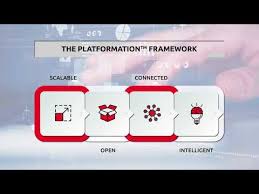
Platformation™ is Sonata’s unique framework to help customers in their digital transformation journey.
Customers can build scalable, open, connected, and intelligent digital businesses through Platformation™ and help them thwart threats from “born-digital companies”.
This video is significant, as it highlights how customers can apply Sonata’s proven Platformation™ approach and methodologies to accelerate their digital journey.
Visit sonata-software.com to start your Platformation™ journey.