






Search engine optimisation is not just about adding keywords or publishing new content. A website needs a strong technical foundation, relevant content, a well-organised structure, and a reliable backlink profile to perform effectively in search engine results. Regular website analysis helps identify issues that may prevent search engines from crawling, indexing, and ranking important pages.
This is where SEO audit services become important. An SEO audit provides a detailed assessment of a website's overall search performance and highlights technical, on-page, off-page, and content-related issues that may affect organic visibility.
What Is an SEO Audit?
An SEO audit is a systematic evaluation of a website to understand how well it follows search engine optimisation best practices. It examines different elements that influence website visibility, including page structure, loading speed, mobile usability, internal links, content quality, indexing, and backlinks.
The objective is to identify weaknesses, understand ranking challenges, and create a practical roadmap for improving website performance.
An SEO audit can be useful for:
- Newly launched websites.
- Established websites experiencing ranking drops.
- Businesses planning a website redesign.
- Websites with declining organic traffic.
- Websites with indexing and crawling problems.
- Businesses expanding into new products, services, or markets.
Why Is Regular Website Analysis Important?
Search engine algorithms, user expectations, website technologies, and competitor strategies continue to evolve. A website that performed well a year ago may develop technical or content-related problems over time.
Regular website analysis helps identify these problems before they affect overall search performance.
Some important benefits include:
1. Identifying Technical Problems
Technical issues such as broken links, redirect errors, duplicate URLs, slow loading pages, and incorrect canonical tags can affect how search engines access website content.
2. Improving Organic Visibility
Analysing keywords, metadata, content relevance, and page structure helps identify opportunities to improve search visibility.
3. Understanding Traffic Declines
When organic traffic decreases, an audit can help investigate possible reasons, including indexing problems, lost backlinks, outdated content, and changes in search demand.
4. Improving User Experience
Website navigation, mobile responsiveness, page speed, and content accessibility influence how visitors interact with a website.
5. Evaluating Competitor Performance
Competitor analysis helps businesses understand content gaps, keyword opportunities, backlink differences, and changes in search positioning.
Major Areas Covered in an SEO Audit
A comprehensive website assessment generally includes several important areas.
1. Technical SEO Analysis
Technical SEO focuses on how search engines discover, crawl, and index website pages.
Important elements include:
- - XML sitemap configuration.
- - Robots.txt file analysis.
- - Website crawlability.
- - Indexing status in Google Search Console.
- - HTTPS implementation.
- - Canonical tag configuration.
- - Redirect chains and redirect loops.
- - Broken internal and external links.
- - Duplicate URLs.
- - Core Web Vitals.
- - Mobile usability.
For example, if important service pages are accidentally blocked through robots.txt or contain incorrect noindex directives, they may not appear in Google search results.
2. On-Page SEO Evaluation
On-page SEO examines the content and HTML elements of individual website pages.
The assessment generally includes:
- Title tag optimisation.
- Meta descriptions.
- Heading hierarchy (H1, H2, and H3).
- Keyword placement.
- Image alt attributes.
- Internal linking.
- URL structure.
- Content relevance.
- Duplicate content.
- Search intent alignment.
A common problem is keyword cannibalisation, where multiple pages target similar search queries and compete with one another. Reviewing page targeting and content structure can help resolve this issue.
3. Website Content Analysis
Content quality is an important part of organic search performance. Search engines aim to provide useful and relevant information that satisfies user intent.
A content audit examines:
- Outdated information.
- Thin or incomplete pages.
- Duplicate content.
- Missing topic coverage.
- Poor content organisation.
- Search intent mismatches.
- Missing supporting information.
- Opportunities for content updates.
For example, an educational website may have several articles targeting similar topics. Consolidating overlapping content and improving the remaining pages can create a clearer website structure.
4. Backlink Profile Analysis
Backlinks are links from external websites pointing towards a particular domain or webpage. Analysing the backlink profile helps understand the website's link acquisition history and authority signals.
A backlink assessment may include:
- Total referring domains.
- New and lost backlinks.
- Linking domain relevance.
- Anchor text distribution.
- Broken backlinks.
- Redirected backlinks.
- Unnatural link patterns.
- Competitor backlink comparisons.
It is important to remember that a high number of backlinks does not automatically indicate a strong backlink profile. Relevance, quality, and natural link patterns are more meaningful than volume alone.
5. Website Speed and Mobile Performance
Website performance affects how visitors experience a website, particularly on mobile devices.
An assessment should consider:
- Largest Contentful Paint (LCP).
- Interaction to Next Paint (INP).
- Cumulative Layout Shift (CLS).
- Image optimisation.
- JavaScript and CSS loading.
- Server response time.
- Mobile responsiveness.
- Page layout and navigation.
Google's Core Web Vitals provide useful measurements for understanding important aspects of page experience.
6. Keyword and Competitor Analysis
Keyword analysis helps determine whether website pages target relevant search queries and match the information users expect.
Competitor analysis can reveal:
- Keywords competitors are ranking for.
- Content topics missing from the website.
- Pages attracting organic traffic.
- Backlink acquisition opportunities.
- Differences in website architecture.
- Search intent and content format.
These insights help create a more informed SEO strategy rather than relying on keyword placement alone.
Common SEO Problems Identified During Website Audits
Several issues can affect website performance without being immediately visible to visitors.
- SEO issue Possible impact
- Broken links Poor navigation and crawling experience
- Duplicate content Unclear page targeting
- Missing canonical tags URL duplication and indexing confusion
- Slow loading pages Poor user experience
- Incorrect redirects Loss of page accessibility
- Thin content Insufficient information for users
- Keyword cannibalisation Multiple pages competing for similar queries
- Lost backlinks Reduced referral traffic and potential ranking signals
- Indexing errors Important pages missing from search results
- Poor mobile experience Difficulty accessing website content
Not every issue directly causes ranking loss. Each problem should be evaluated according to its severity, scale, and impact on users and search engines.
Tools Used for Website Auditing
SEO professionals use different tools to collect technical, content, performance, and backlink data.
Some commonly used tools include:
- Google Search Console – For monitoring search performance, indexing, and website experience reports.
- Google Analytics 4 – For analysing website traffic and user behaviour.
- Screaming Frog SEO Spider – For crawling website URLs and identifying technical issues.
- Ahrefs – For backlink research, keyword analysis, and competitor comparisons.
- Semrush – For keyword research, site audits, and competitive analysis.
- Google PageSpeed Insights – For evaluating page performance and Core Web Vitals.
Using multiple tools provides a broader understanding of website health because no single platform captures every aspect of SEO.
How Often Should a Website Be Audited?
The frequency depends on website size, technical complexity, and how frequently the website changes.
A general approach includes:
- Monthly: Monitor indexing, traffic trends, broken links, and important ranking changes.
- Quarterly: Review technical SEO, content quality, keyword performance, and backlinks.
- After website migration: Check redirects, canonical tags, sitemap configuration, and indexing.
- After a major redesign: Verify website architecture, mobile usability, page speed, and internal links.
Large e-commerce websites and websites publishing content frequently may require more regular monitoring.
The Role of SEO Audits in Long-Term Organic Growth
SEO is an ongoing process rather than a one-time activity. Publishing content, building links, and targeting keywords may not deliver sustainable results if underlying website issues remain unresolved.
A structured audit helps businesses understand what is working, what needs improvement, and which activities should receive priority.
For example, if a website has strong content but poor indexing, publishing additional articles may not solve the actual problem. Similarly, if a website has good technical health but outdated content, improving content relevance may be a more effective priority.
The most useful audit reports therefore go beyond identifying errors. They explain the importance of each issue and recommend practical corrective actions.
Conclusion
A website's search performance depends on several interconnected factors, including technical health, content relevance, website architecture, backlinks, and user experience. Understanding these elements is essential for maintaining a reliable online presence.
Regular SEO audit services help identify website weaknesses, uncover optimisation opportunities, and provide a structured approach to improving organic search performance. By reviewing technical issues, content quality, backlinks, and competitor activity, businesses can make better-informed decisions about their long-term SEO strategy.
A well-maintained website provides a stronger foundation for search visibility, user engagement, and sustainable digital growth.



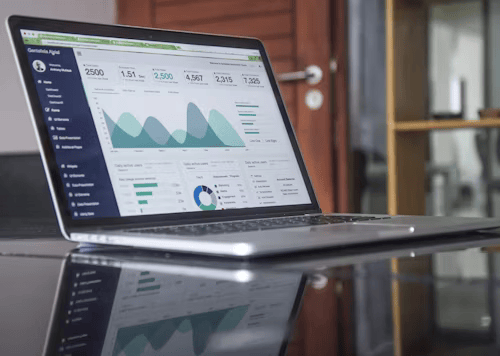

Our special SEO services for pest control providers will improve your search visibility on search engine and help to grow your reach to the maximum customers.
SEO for Pest control services California - As per research average 75% of search engine traffic visiting the web sites listed on the first page, so you need to consider your website visibility on 1st page to receive more new customers.
Consult with us on SEO services now!

MCVO Talent Outsourcing Services, one of the leading business process outsourcing companies in the Philippines wants you to know the benefits of outsourcing services and more.
In this, blog, we listed the importance of SEO Audit and why you need it.