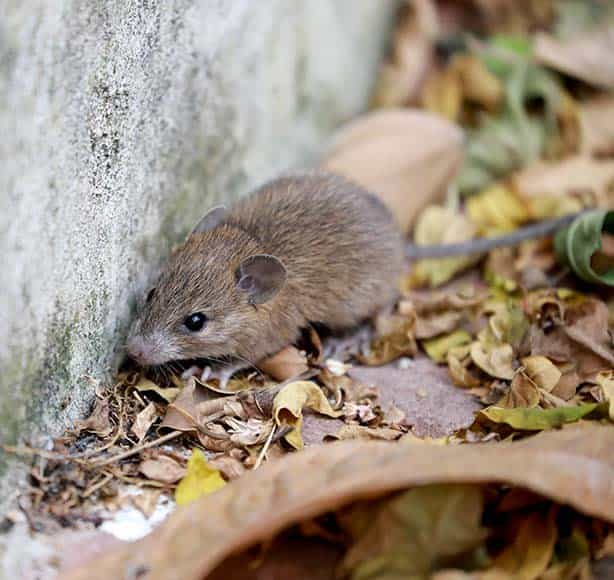
Rats can quickly become a serious problem for homeowners and businesses. They are adaptable, reproduce rapidly and can find shelter in almost any property that provides access to food, water and warmth. In a busy urban environment such as Manchester, residential buildings, restaurants, warehouses and commercial premises can all be vulnerable to rat activity.
Hearing scratching noises in the loft, discovering droppings near food storage areas or finding damaged packaging can be signs that rats have entered your property. Recognising these warning signs early and arranging effective rat control Manchester services can help prevent a minor issue from developing into a larger infestation.
Why Do Rats Enter Homes and Business Premises?
Rats are mainly attracted to properties that offer easy access to food, water and suitable nesting spaces. Unsecured rubbish bins, leftover food, pet food and poorly maintained outdoor areas can provide a reliable food source.
Buildings also offer plenty of potential hiding places. Small openings around pipes, damaged airbricks, gaps beneath doors and cracks in walls can allow rats to enter. Once inside, they may settle in lofts, wall cavities, basements and spaces beneath floorboards.
Manchester's mixture of older properties, commercial buildings and extensive drainage systems can create opportunities for rats to move between outdoor and indoor environments. Addressing these access points is an important part of preventing recurring problems.
Common Signs of a Rat Infestation
Rats are generally more active at night and tend to avoid people. However, their presence often leaves noticeable evidence around a property.
Look out for these common warning signs:
Rat droppings: Dark, pellet-shaped droppings may appear near food storage, cupboards, skirting boards and rubbish areas.
Scratching noises: Sounds from lofts, ceilings, wall cavities or beneath floors may indicate nesting or movement.
Gnaw marks: Rats chew wood, plastic, packaging and electrical cables to keep their teeth under control.
Greasy marks: Dark smears along walls and frequently used routes can develop as rats repeatedly travel through an area.
Nesting materials: Shredded paper, fabric and insulation may indicate that rats have established a nesting area.
Unusual smells: A persistent musty or unpleasant odour can sometimes point to hidden rat activity.
If you notice several of these signs, arranging a professional inspection can help establish the extent of the problem.
Health and Property Risks Associated with Rats
A rat infestation is more than an inconvenience. Rats can contaminate food preparation surfaces, stored products and other areas through their droppings, urine and contact with contaminated materials. They may also carry organisms that can cause disease in humans and animals.
Property damage is another major concern. Rats constantly gnaw and may damage electrical wiring, insulation, wooden structures, pipes and stored goods. Damaged electrical cables can increase the risk of fire, while damaged plumbing may result in leaks and expensive repairs.
For businesses, the consequences can be particularly serious. Restaurants, food outlets, offices and warehouses may face hygiene concerns, stock contamination, operational disruption and reputational damage. Prompt rat control Manchester solutions can help protect both premises and the people who use them.
When Should You Contact a Professional Rat Control Service?
Using household traps or retail pest control products may appear to be a convenient first step. However, these methods do not always address the underlying cause of an infestation.
Rats can avoid unfamiliar traps, and incorrectly placed bait may create risks for pets, children and non-target wildlife. More importantly, removing individual rats will not necessarily solve the problem if entry points and nesting areas remain undetected.
Professional pest control is worth considering when you notice repeated rat sightings, persistent droppings, scratching noises or signs of nesting. An experienced technician can inspect the property, identify areas of activity and recommend a treatment plan suited to the situation.
How Professional Rat Control Works
Effective rat management involves more than simply reducing the number of rodents. It also requires identifying how they entered the property and taking practical steps to prevent further activity.
At Master Pest Tech, the process begins with an inspection of the affected areas, including accessible indoor and outdoor spaces. The aim is to identify signs of rat activity, potential nesting locations and possible access points.
A suitable treatment approach can then be recommended based on the property's layout and the level of infestation. Where necessary, technicians may also advise on proofing measures, such as sealing suitable gaps, repairing damaged areas and fitting appropriate covers to openings.
Follow-up visits may be recommended to assess progress and determine whether further action is needed. Combining treatment with prevention provides a more reliable approach to long-term rat management.
Practical Ways to Prevent Rats from Returning
Homeowners and businesses can reduce the likelihood of rat activity by making their properties less attractive to rodents.
Consider these preventative measures:
- Secure rubbish bins: Use tightly fitting lids and avoid allowing waste to accumulate around the property.
- Store food properly: Keep dry goods, animal food and other food supplies in sealed containers.
- Remove garden clutter: Clear unnecessary materials, unused containers and debris that could provide shelter.
- Seal potential entry points: Inspect gaps around pipes, doors, vents and other openings, and arrange suitable repairs.
- Maintain drainage: Address damaged drains and other structural defects that could provide access.
- Keep outdoor areas tidy: Trim vegetation near buildings and avoid leaving food waste or standing water outside.
- Inspect regularly: Check lofts, storage areas, basements and commercial waste areas for early signs of rodent activity.
- These steps can make a property less inviting to rats and help support the results of professional pest control.
Conclusion
Rat infestations can affect homes and businesses across Manchester, creating health concerns, property damage and unnecessary stress. Recognising early warning signs, removing food sources and securing potential entry points are important steps towards keeping rodents away.
When rat activity becomes persistent or difficult to manage, professional assistance can help identify the source of the problem and establish an appropriate treatment and prevention plan. Master Pest Tech provides a practical approach to pest management, helping property owners address infestations and work towards a cleaner, safer environment.
If you suspect rats are present in your property, arranging an inspection promptly can help prevent the situation from becoming more difficult to manage.
Frequently Asked Questions
1. What are the first signs of a rat infestation?
Common early signs include dark droppings, scratching noises at night, gnawed packaging, greasy marks along walls and unusual smells. You may also notice damaged food containers or shredded materials used for nesting.
2. Why are rats attracted to homes and businesses in Manchester?
Rats are attracted to accessible food, water and shelter. Unsecured bins, food waste, damaged drains, building gaps and cluttered outdoor spaces can make residential and commercial properties suitable places for them to settle.
3. Can I get rid of rats using household traps?
Household traps may help in some situations, but they do not always resolve an established infestation. If rats continue entering through gaps or nesting inside the building, the problem may return. Professional inspection can help identify the underlying cause.
4. How can I prevent rats from entering my property?
Keep rubbish securely covered, store food in sealed containers, maintain outdoor areas and repair gaps around doors, pipes and vents. Regularly inspect lofts, basements and other less frequently used spaces for signs of activity.
5. When should I arrange professional rat control in Manchester?
You should consider professional assistance if you repeatedly notice droppings, scratching sounds, gnaw marks or live rats. Prompt inspection can help establish the extent of the infestation and identify suitable treatment and prevention measures.