





Most operations teams can pinpoint where their equipment sits, yet they still find themselves reacting to sudden mechanical breakdowns in the middle of a shift. Combining real-time tracking with predictive diagnostics bridges that operational blind spot. The connected data automatically converts high-risk sensor spikes into prioritized work orders, guiding technicians directly to failing components and resolving minor faults long before they disrupt production.
In this article, we explore how connected asset data can help maintenance teams move from reactive repairs to more proactive, informed decision-making. Discover how monitoring equipment condition, tracking asset locations, and identifying early warning signs can help you spot maintenance needs before they become costly disruptions. We’ll also look at how prioritizing work orders based on urgency, assigning technicians according to their proximity and expertise, and giving teams access to accurate, up-to-date asset information can reduce unnecessary downtime, improve resource allocation, and keep critical equipment running smoothly.
5 Ways Connected Equipment Data Accelerates Maintenance Decisions
1. Spotting Anomalies Before Operators Notice Symptoms
Operators rarely catch mechanical trouble early. They usually report a problem only after hearing a grinding noise, feeling a tremor, or smelling burning fluid. By then, simple component wear has already turned into structural damage.
A connected platform for site operations catches internal failure signals first:
- High-frequency vibration sensors pick up microscopic bearing fatigue weeks before an operator feels it.
- Thermal probes flag electrical hot spots and friction points while machines run under load.
- Pressure sensors identify internal fluid restrictions and cavitation before hydraulic lines burst.
Also consider fleet inspections to keep things rolling.
2. Prioritizing Work Orders by Bottleneck Risk
Incoming maintenance queues quickly overwhelm dispatchers when sensor alerts arrive in bulk. Treating every temperature or vibration spike as an identical emergency wastes technician hours on low-impact machines while critical lines move closer to failure.
Modern work order systems automatically triage incoming tickets using asset criticality and live operational dependencies:
Single-point assets without redundancy receive top priority
Secondary support equipment with active backups moves to scheduled maintenance windows
Primary feeds that supply downstream stations jump ahead of isolated machinery
3. Routing the Nearest Available Technician Across the Site
Large plants, railheads, and sprawling yards eat up technician hours through simple transit. Dispatching maintenance jobs through two-way radios or centralized clipboards means technicians frequently walk past failing machines to reach lower-priority tasks on the opposite end of the site.
Location tracking pairs technician coordinates with active equipment alerts:
Indoor positioning and outdoor telematics identify the closest crew member to the failing asset
Skill tags match the specific diagnostic code to certified technicians, filtering out crew members lacking the required mechanical or high-voltage credentials
Work order dispatch re-routes technicians who have just cleared a nearby repair, cutting redundant travel across zones
4. Matching Fault Codes to Storeroom Inventory Before Travel
Technicians lose significant wrench time walking back and forth to central storerooms. Arriving at a machine just to diagnose the failure and then hike back across the yard for parts turns simple fixes into multi-hour delays.
Connecting diagnostic fault codes directly to MRO storeroom inventory solves this delay before dispatch :
Telemetry alarms map directly to the asset's digital bill of materials, identifying the exact part numbers needed for the repair
Storeroom software checks current shelf stock in real time and automatically reserves the required components
Kitting alerts notify crib staff to stage the parts, gaskets, and specialized tools together in a single bin
5. Using Real Failure Data to Guide Capital Replacement
Most operations retire machines based on calendar age or manufacturer depreciation tables rather than actual physical condition. That habit leads teams to replace reliable, low-wear equipment too early while sinking expensive repair budgets into chronic underperformers.
Connected telemetry and repair logs deliver an accurate picture for repair-versus-replace decisions :
Cumulative maintenance expenses flag the threshold where annual repairs surpass 30% of a machine’s replacement value
Mean time between failures (MTBF) tracking separates routine wear from assets suffering chronic, systemic breakdown patterns
Operating stress profiles reveal which equipment models consistently handle peak site loads without accelerated component fatigue
Pilot With Bottleneck Assets First
Don’t aim to wire every machine across your facility at once. Massive rollouts get messy and create unnecessary friction for your crew.
Start by identifying three to five critical assets where an unexpected breakdown could bring an entire production line to a standstill, delay customer orders, or create costly operational bottlenecks. These might include essential production machinery, high-use equipment, or mobile assets that are difficult to locate when teams need them most. Connect live telemetry and location tracking to these high-impact units first, giving maintenance teams a clearer picture of equipment condition, operating patterns, and asset availability. Use this information to establish baseline performance, identify early warning signs, and determine which alerts genuinely require immediate attention.
Next, test the workflow in real operating conditions. Measure how quickly technicians respond to emerging issues, how much unplanned downtime is avoided, and whether improved asset visibility reduces time spent searching for equipment or diagnosing problems. Compare the results against previous performance to demonstrate the practical value of connected asset data. Once the pilot shows measurable improvements, use the findings to build a business case for expanding the system across the rest of the site. By demonstrating results on the equipment with the greatest operational impact first, you can make a stronger case for investment, prioritize the next assets to connect, and use documented downtime savings to help fund a wider rollout.




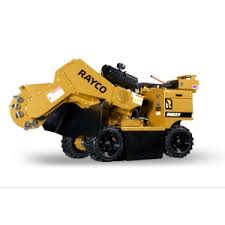
We have a variety of equipment for property maintenance in State Line PA at RentEquip.
Contact us right away to get access to newer equipment and avoid having to worry about routine servicing and maintenance.