


Cologne and perfume are two terms you will often come across when shopping for fragrances. While many people use them interchangeably, they actually have different meanings. The main difference traditionally comes down to fragrance concentration, which can influence how strong a scent feels and how long it lasts.
However, there is a little more to it than that. The word cologne is sometimes used to describe men's fragrances, while perfume is often treated as a general term for all scented products. This can make choosing between the two slightly confusing.
So, is cologne really different from perfume? Let's look at what sets them apart, how they perform and which one might suit your preferences.
If you want to understand the different fragrance categories, explore Emirates Pride's guide to perfume types.
Cologne vs Perfume: What's the Difference?
The biggest difference between traditional cologne and perfume is the concentration of aromatic ingredients used in the formulation.
Eau de Cologne (EDC) is generally a lighter fragrance category. It contains a relatively lower proportion of fragrance compounds, giving it a fresh and subtle character.
Perfume, on the other hand, is a broader term. It can refer to fragrances across different concentration levels, including Eau de Toilette, Eau de Parfum and Parfum.
There is also a difference in how people use these terms. In some markets, cologne is commonly associated with men's fragrances. However, this is largely a marketing convention. Fragrance has no fixed gender, and anyone can wear a scent they enjoy.
4 Key Differences Between Cologne and Perfume
Although both serve the same purpose, there are a few differences worth understanding before choosing your next fragrance.
1. Fragrance Concentration
Fragrance concentration refers to the proportion of aromatic compounds in a fragrance formula.
Traditional Eau de Cologne usually has a lower concentration than Eau de Parfum or Parfum. This gives it a lighter scent profile that may feel less intense when applied.
Perfumes are available in several concentrations, allowing you to choose between lighter everyday fragrances and richer, more concentrated options.
The exact percentages can vary depending on the brand and formulation, so the fragrance category should be treated as a general guide rather than a fixed measurement.
2. Scent Intensity
Cologne is generally associated with fresh, light and refreshing fragrances. Citrus, herbal and aquatic notes are commonly found in this category.
Perfumes can offer a much wider range of scent experiences. Depending on their composition, they may feature floral, woody, oriental, spicy or musky notes.
Some perfumes are subtle and understated, while others have a stronger presence. It ultimately depends on the ingredients and how the fragrance has been developed.
3. Application and Formats
Colognes are commonly available as spray fragrances or splash-on products. Their lighter character makes them a popular choice for people who enjoy refreshing their fragrance throughout the day.
Perfumes are available in several formats, including sprays, roll-ons and concentrated perfume oils.
The application method does not necessarily determine fragrance strength. What matters more is the formulation and concentration of aromatic ingredients.
4. Everyday Use and Occasions
Colognes are often preferred for casual outings, daytime activities and situations where someone wants a lighter fragrance.
More concentrated perfumes may be preferred for evening wear, celebrations and special occasions. However, there is no strict rule about when you should wear either.
A fresh perfume can work perfectly well for an evening event, just as a rich fragrance can be suitable for everyday use. Your personal preference matters more than traditional fragrance guidelines.
Does Cologne Last as Long as Perfume?
One common reason people compare cologne and perfume is longevity.
Generally, traditional Eau de Cologne does not last as long as more concentrated fragrance categories. Since it usually contains fewer aromatic compounds, its scent may become less noticeable sooner.
However, concentration is not the only factor that determines how long a fragrance lasts.
Here are a few things that can influence fragrance longevity:
- Ingredients: Some fragrance materials evaporate quickly, while others remain noticeable for longer.
- Skin type: Fragrances can develop differently depending on your skin's natural characteristics.
- Weather: Heat and humidity can influence how a fragrance develops and evaporates.
- Application: Applying fragrance to moisturised skin and suitable pulse points may help its scent remain noticeable.
- Formulation: The quality and combination of fragrance ingredients also play an important role.
This is why two fragrances with similar concentrations can perform differently. Testing a fragrance on your skin is often the best way to understand its actual performance.
Which One Should You Choose?
Choosing between cologne and perfume depends on the kind of fragrance experience you prefer.
Here are a few simple ways to narrow down your options:
- If you enjoy fresh, lighter scents: Traditional Eau de Cologne can be a good starting point.
- If you want an everyday fragrance: Eau de Toilette offers a balance between freshness and scent intensity.
- If you prefer a noticeable fragrance: Eau de Parfum may be worth exploring.
- If you enjoy richer scents: Parfum offers a more concentrated fragrance experience.
You do not have to choose based on concentration alone. Consider the fragrance notes, how the scent develops on your skin and whether you enjoy wearing it throughout the day.
FAQs
1. What is the main difference between cologne and perfume?
Traditionally, cologne refers to a lighter fragrance concentration, while perfume is a broader term that includes different fragrance categories and strengths.
2. Is cologne only for men?
No. Although cologne is often marketed towards men, anyone can wear it. Fragrance is a matter of personal preference, not gender.
3. Does perfume last longer than cologne?
Generally, more concentrated perfumes last longer than traditional Eau de Cologne. However, the ingredients, formulation, skin type and application method can influence how long a fragrance remains noticeable.
4. Is Eau de Cologne stronger than Eau de Parfum?
No. Eau de Parfum generally has a higher concentration of aromatic compounds than traditional Eau de Cologne. This often makes it more intense and longer-lasting.
5. Can you wear cologne and perfume every day?
Yes. Both can be worn daily. The right choice depends on your preferred scent, the occasion and how noticeable you want your fragrance to be.
Conclusion
So, is there really a difference between cologne and perfume? Yes, but the distinction is not always as straightforward as it sounds.
Traditional Eau de Cologne is generally lighter and has a lower fragrance concentration, while perfume covers a wider range of fragrance strengths. Their longevity, intensity and overall character can vary depending on the formulation.
Rather than focusing only on the label, take time to explore different fragrance profiles and see how they develop on your skin. Whether you prefer something fresh and subtle or rich and distinctive, the best fragrance is simply the one that feels right to you.



22-july-19 The global perfume and fragrance packaging market expanding at a CAGR of 5.5%, according to a new report by Grand View Research, Inc.
This, in turn, increases the frequency of perfume use, thereby creating a huge demand for its packaging in the forecast years.Growing trend of wearing perfumes is hence driving the global market.
Furthermore, counterfeit perfumes are available in a packaging that looks similar to the original but is duplicate and made from cheap materials.
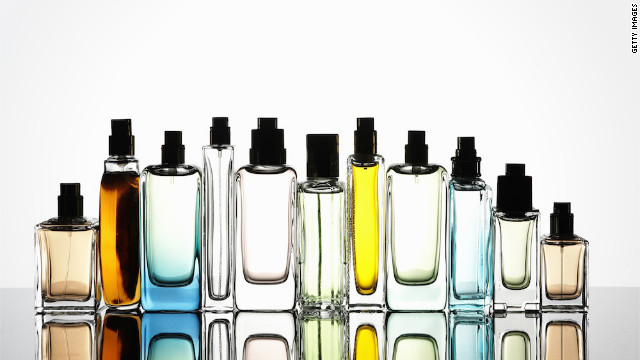
Hence, some consumers settle for these products since they are sold at a very low price, thereby impeding the market growth.Access the Case Study “ Perfume & Fragrance Packaging Market" @ https://www.radiantinsights.com/research/perfume-and-fragrance-packaging-market/request-sampleBased on the product type, the bottles segment held the largest market share in 2018.
Among all the raw materials, the glass segment is anticipated to hold the largest market share, owing to its nonporous and impermeable properties that make it chemically non-reactive with the perfume.
Currency fluctuation in Europe has led to a considerable rise in tourist consumers in this region, which results in the growth of luxury products including perfume and fragrance.