


Getting a child to open a book shouldn't feel like pulling teeth. Yet, for many teachers, independent reading time often turns into a quiet battle of wills. Students stare blankly at the pages, count the minutes on the clock, or simply pretend to read while their minds wander elsewhere. Transforming a reluctant reader into an enthusiastic one takes more than just assigning chapters and handing out comprehension worksheets. It requires a deliberate shift in how your classroom approaches books.
When educators focus on building genuine engagement, they do more than just improve test scores; they lay the groundwork for lifelong habits. Finding creative ways to boost student literacy involves making reading feel like a reward rather than a chore. Let's look at some practical ways teachers can help their students actually enjoy the time they spend with a book.
Offer Genuine, Unrestricted Choice
The fastest way to kill a child's interest in reading is to force them into a strict, narrow list of approved texts. While curriculum standards matter, independent reading time needs to be driven by personal choice. If a student wants to read graphic novels, let them. If they are obsessed with dirt bikes and only want to read nonfiction magazines about motocross, encourage it.
Comic books, audiobooks, and sports biographies all count as reading. When kids realize they have the power to choose what they consume, their entire attitude shifts. They stop seeing reading as a school assignment and start seeing it as a way to explore their own personal interests. Build a classroom library that reflects a wide variety of genres, formats, and reading levels. Give them the freedom to abandon a book if they hate it after the first few chapters. Adults drop books that fail to hold their attention, and kids should be allowed to do the same thing without penalty.
Rethink the Physical Environment
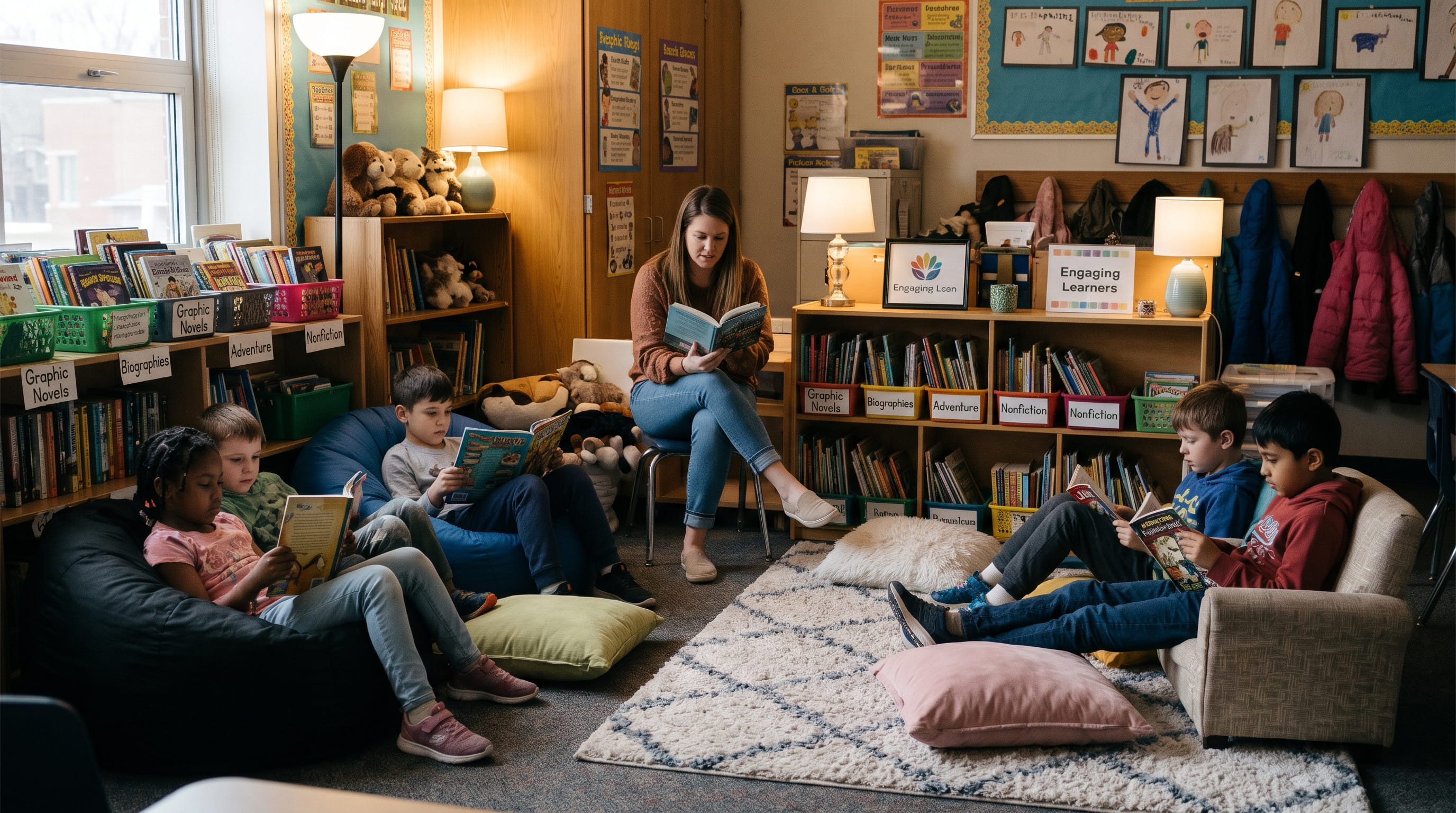
Sitting upright at a hard plastic desk is hardly the ideal way to get lost in a great story. Think about how you prefer to read at home. You probably curl up on a couch, sink into a comfortable chair, or relax in bed. Replicating a fraction of that comfort in your classroom makes a huge difference in how students perceive reading time.
You don't need a huge budget to change the atmosphere. A few bean bag chairs, a plush rug, or some floor pillows can instantly transform a rigid classroom corner into an inviting reading nook. Turn off the harsh overhead fluorescent lights and turn on a few warm floor lamps. Playing soft instrumental music in the background can also help drown out hallway noise and signal to the brain that it's time to relax and focus. When the environment feels cozy and safe, students are much more likely to drop their guard and engage with the material. Breaking the physical monotony of the school day tells your students that reading time is a special, protected part of their routine.
Model the Habit Openly
Kids are incredibly observant. If they hear you say reading is fun but never actually see you doing it, they simply won't believe you. Teachers need to model the behavior they want to see. During independent reading time, resist the urge to grade papers, check emails, or organize your desk. Instead, sit down where the students can see you and open your own book.
Talk to your class about what you are currently reading. Share a funny moment from a chapter you finished over the weekend or express your frustration when a character makes a bad decision. Bring your reading life into your daily classroom conversations. When students see an adult genuinely reacting to a story, it validates the experience. It shows them that reading isn't just a hurdle you have to jump over to graduate, but an ongoing part of a healthy, interesting adult life.
Stop Over-Testing and Ditch the Reading Logs
We have a bad habit in education of turning every single reading experience into a formal assessment. If a student knows they have to write a three-page report, build a diorama, or pass a multiple-choice quiz every time they finish a book, they will naturally avoid reading. The constant pressure of assessment turns a fun story into a stressful task. The same applies to mandatory reading logs. Forcing parents to sign a piece of paper every night turns reading into a compliance exercise, draining all the joy out of the experience.
To foster a true love for reading, you have to let some books exist purely for enjoyment. Allow your students to finish a story and simply put it back on the shelf without any strings attached. If you want to check for understanding, replace formal tests with casual conversations. Ask them what their favorite part was, or which character they found the most annoying. Let them chat with a peer about the book for five minutes. Removing the looming threat of a grade allows kids to relax, immerse themselves in the narrative, and experience the joy of reading for its own sake.
Connect Books to Real-World Activities
Sometimes, students need to see how words on a page translate into real-world action. Connecting books to physical activities bridges the gap between the story and the student's actual life. If a group of students just finished a novel about a wilderness survival adventure, take them outside and teach them how to build a simple compass or tie a few basic knots. If they are reading a book set in a specific country, bring in a local snack from that culture for them to try.
Even small connections make the reading experience feel much more tangible. It proves that books aren't isolated objects trapped in the classroom, but gateways to understanding the world around them.
Helping a child fall in love with reading is one of the most impactful things a teacher can do. It requires patience, a willingness to break away from traditional structures, and a genuine enthusiasm for storytelling. By offering real choices, creating a comfortable environment, modeling the habit, and removing the constant pressure of grades, you can shift the culture of your classroom entirely. You stop forcing kids to read and start inviting them into a world they actually want to explore. Those daily moments spent lost in a good book eventually build a foundation of lifelong curiosity and learning.
Frequently Asked Questions (FAQ)
Do graphic novels, comic books, and audiobooks really count as "real" reading?
Yes. Graphic novels, comic books, magazines, and audiobooks all count as reading. They build vocabulary, comprehension, and narrative engagement while allowing students to explore topics that genuinely interest them.
What if a student wants to stop reading a book halfway through?
Let them abandon it without penalty. Adults regularly put down books that fail to hold their interest, and giving students the freedom to switch to a better fit keeps reading from feeling like a punishment.
How can I check for comprehension without assigning quizzes or book reports?
Replace formal tests and mandatory reading logs with low-pressure, casual conversations. Ask students about their favorite moments, discuss characters they found frustrating, or give them five minutes to chat with a classmate about what they are reading.
How do I create an inviting reading space on a tight classroom budget?
Simple, low-cost changes make a big impact. Adding a plush rug, a few floor pillows, or a couple of bean bag chairs, dimming harsh overhead fluorescent lights in favor of warm floor lamps, and playing soft instrumental background music can quickly transform a standard classroom corner into a cozy reading nook.
What should I be doing during independent reading time?
Read your own book where students can see you. Avoid grading papers or checking emails during this block, and share your genuine reactions to the stories you read at home to model reading as an enjoyable, lifelong habit.




✅✅Aquí te diremos cuáles son los mejores poemas de amor y versos para enamorar a tu pareja, puedes usar estos o inspirarte para escribir los tuyos.✅✅Read More

Nursery education is one of the essential things for kids.
In a world where everyone is running behind financial stability, you have to find a place for your children where they can grow in an organic yet efficient manner.
