





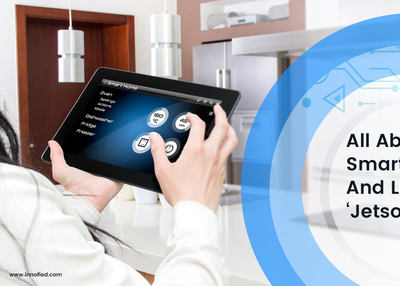
We have already shared the possibilities of smart home automation and also the challenges you may face, this time we thought to share a little more information on it like the development cost, what things you need to check before start developing one.



The concept of an automated has been around as early as the 1930s with popular TV shows and movies showcasing futuristic homes equipped with automated features that attracted the imagination of the public toward the benefits of home automation.
Despite the world catching the first glimpse of “connected homes” in the earlier decade, progress was somewhat stagnated throughout the 1990s – with the technology restricted only for affluent homes, and even features were system-specific and limited to only controlling the lighting or entertainment systems at home.
The global smart home market witnessed considerable traction from the beginning of the 2000s with technological innovations across a wide range of proprietary, wireless and radio protocols for home automation, and the advent of Internet of Things (IoT).
Applications of smart home technology
• Smart TVs connect to the internet to access content through applications, such as on-demand video and music.
Smart lights can also regulate themselves based on daylight availability.

If you are from the 90s, you must have seen ‘Jetsons’ – a cartoon way ahead of its time, where there were smart robots and things doing the daily chores.
It got us excited and made us wonder if this can be a reality.
Well, my friend, we have reached a position where we have a smart home with numerous ‘things’ connected to each other.
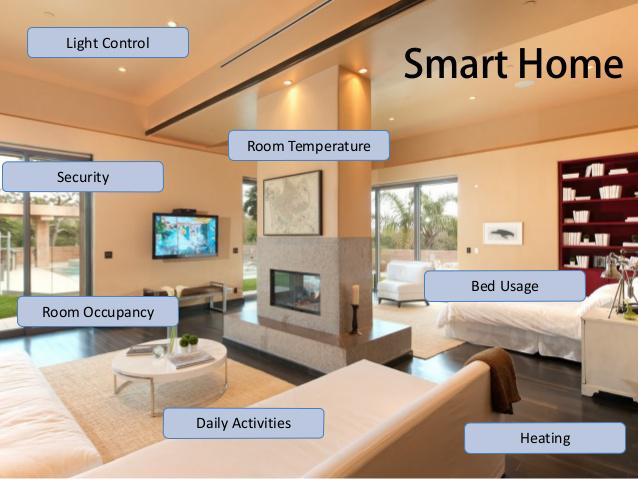
Be its temperature control, security, smart lighting, cooking, air pollution control or anything else – an IoT smart home app development can take care of it.
Take AWAIR for example. It’s a cute and small radio device.
The look can be deceptive as the device is a sensitive tool that measures air quality.
Read on to know the steps involved.