


indoor growpackage

0

0

4


Why Is Light Necessary When It Comes To Growing Crops Or Plants?
Light is essential to your plant’s growth as this is required for plants to undergo photosynthesis. Light works along with carbon dioxide and water.
It doesn’t really matter whether your plants get light from the sunlight or any artificial light.
Photosynthesis is when plants make use of carbon dioxide, water, and light to produce glucose. Glucose is what plants use to have energy.
Thus, they would grow healthy and avoid getting wilted. Basically, photosynthesis needs to take place in order for plants to produce their own food.
Light is the key, but of course, you need to know how long you should be putting your plants under it.
Light Spectrum
The quality of light impacts how much light a plant needs. Plants primarily need light on the red and blue spectrums, which are best provided by using a full-spectrum fluorescent bulb or bulb labeled as a grow light. Another option is to use two fluorescent tubes, one warm white and one cool white, to provide a more complete spectrum. Incandescent bulbs only provide light on the red spectrum. They also have a shorter life and produce substantial heat, which can damage heat-sensitive plants.
Lighting Intensity
Light intensity is measured in foot candles. Most houseplants require between 50 and 1,000 foot candles from either artificial sources or from sunlight. If the plant only requires low light or receives some light from a window, regular lighting from ambient light fixtures in the room may be sufficient. Plants that require medium light require at least 250 foot candles, so they will grow better with a small grow light fixture if they aren't near a sunny window. Seedlings, especially vegetables and other that thrive in full sun, require 1,000 foot candles or more of light intensity, so intensive grow light fixtures that contain at least four light tubes are necessary for healthiest growth. Light intensity also varies depending on how close the plants sit to the light. For example, plants sitting 6 inches beneath a two-light fixture receive 500 foot candles, while those setting 3 feet from the light source only receive 60.
Growing Seedlings With LED Grow Lights
Now, once your seed has sprouted, the heat and light from LED grow lights can help your seedling grow strong and healthy in record time. Humidity and temperature control are important at this stage. Take a look at tools for measuring these factors in your grow tent. And don’t forget that LED Grow Lights are deceptively bright. Bring your grow glasses.
The best seedling light recipe will depend on the light you’re using and the strain you’re growing (sativas are more light hungry), but here are the basics:
Set your timer to keep the lights on for 18 hours a day. The plant will think it’s spring and put most of its energy into growing leaves and stems.
The other 6 hours should be total darkness.
Use the veg or grow setting on your light, or use a full spectrum light, to ensure that the seedlings are getting all the wavelengths they need. Plenty of blue light ensures the seedlings don’t try to grow too tall before they’re strong enough and the red light encourages root growth.
In general, start with your lights a few feet above the plants—seedlings can’t yet stand full strength LEDs. However, the best distance all depends on the specific light, so follow the manufacturer’s recommendations and any instructions that come with the seeds. 2 feet is usually the recommended minimum for seedlings. Remember seedlings can grow quickly. So if you see the leaves starting to bleach, you may need to raise the light a bit.
After about 14 days, when they’re growing taller and growing new leaves, the seedlings have reached the vegetative stage.
LED Grow Light Recipe for Veg Stage
At this stage cannabis plants are mainly growing stems and leaves (no flowers), to store up as much energy as possible before they flower.
Switch your light to its veg or grow setting and continue giving it 18 hours a day. Some will switch to 20 or even 24 hours of light per day at this stage to maximize growth. But if you do this, make the change slowly so as not to stress your plants. We don’t recommend 24 hours a day, but experimenting with a longer day is reasonable.
The veg setting should add extra blues to the spectrum, like you’d get on long clear summer days. With the added blue wavelengths, the plants should grow strong and bushy, rather than stretching up for more light.
If you’re growing an autoflowering strain, just stick to 18 hours. Giving it extra hours of light won’t speed up the veg process.
If plants are stretching (growing with lots of space between nodes or leaves), just lower the light a bit. You want your mature plants to be strong and healthy enough to bear the weight of the dense flowers they’re about to grow.
You can keep your plant at the vegetative stage pretty much indefinitely. So it’s up to you when you initiate flowering. But for most growers that will be when the plant is around half the height it will reach at the end of flowering.
LED Grow Light Recipe for Flowering
Flip the switch to flower or bloom and change your light schedule to 12 hours on and 12 hours off and soon after your plant will start flowering.
Or if you want to be on the safe side, you can avoid stressing your plants by switching to a 12 hour cycle over the course of 2 or 3 days. For example, going from 18/6 to 16/8 to 14/10, then 12/12.
Once your plants are flowering, make sure the 12 hours of darkness are always completely uninterrupted. Any light leaks during this time can send your plants back to the veg stage, or create hermaphrodite plants that could pollinate your flowers and ruin the harvest.
This schedule mimics the shorter days of late summer and early fall when wild cannabis plants would naturally flower. The higher concentration of reds in the spectrum also mimics the sun hanging lower in the sky. And having far-reds within the spectrum has been found to shorten the time to harvest, in certain circumstances.
Growth spurts during flowering are common, so keep an eye on the distance between the buds and your lights. If you see bleaching, raise your lights.
That said, when flowering you need to maximize the amount of light your plants are getting to maximize your yield. So the closer you can get your LED grow lights to your plants the better, up to a point. Lower them an inch a day and keep an eye out for any signs of damage. 12” to 18” from the plants is usually safe. But as ever, check the manufacturer’s recommendations.
LED grow lights with ultraviolet in the spectrum will also stimulate resin production, giving your bud higher levels of THC and other cannabinoids.
Tips To Make Sure That You’re Not Overly Exposing Your Crops To Light
You need a strategy when it comes to ensuring that a routine is established when exposing your plants or crops to light.
You can go basic and just use an alarm to let you know when to turn on and shut the grow lights off.
If you don’t mind spending extra, you can use a light timer that you can incorporate to your grow lights system.
This means that you can just set a timer as to when the grow lights should automatically turn on and off.
0
0
4
indoor growpackage
From the Author
Related Articles
More and more farmers are opting for LED grow lights for indoor cultivation; therefore, several new options have entered the market. While there are many benefits to using LED grow lights, there are also some drawbacks. When conventional grow lights are no longer used as a heat source, evaporation is greatly reduced or eliminated. To successfully cultivate a crop, it may be necessary to use LED grow lights that produce wavelengths unique to that crop. As Why Growers prefer LED Grow LightsLED full spectrum grow light systems have several advantages that professional gardeners are beginning to recognize.
0
4
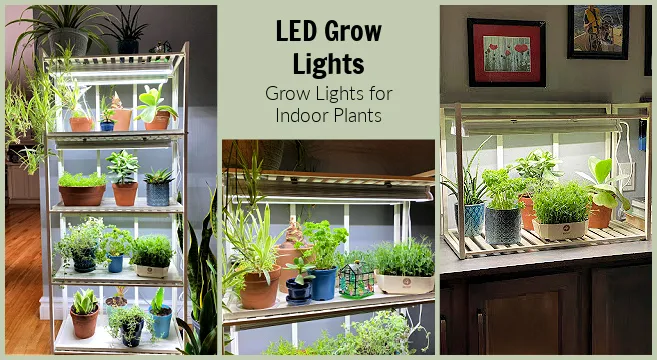
Shockingly, growing plants indoors with LED lights have various advantages over growing outside. What are LED grow lights? So If you want to buy the best LED grow lights for your indoor plants, go to Spider Farmer and Buy your affordable LED grow lights, tents, and kits to grow your plants and get a 30% discount using the Spider Farmer Coupon Code while buying. Utilizing LED grow lights for indoor growing is the most productive approach to reproducing daylight. Also, utilize LED grow lights for indoor growing, you could grow the entire year, regardless of what season beyond the house.
0
2
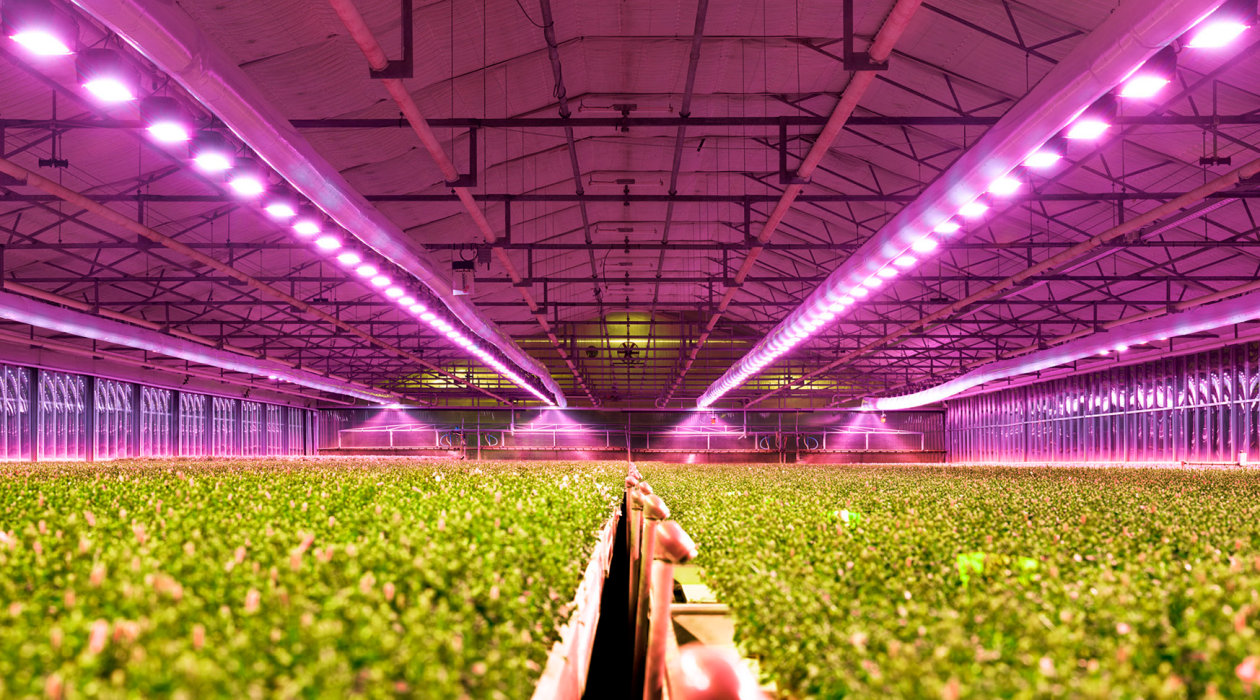
In the modern world of agriculture, commercial greenhouse LED grow lights have become a game-changer. Let's dive into the world of LED grow lights and explore their impact on greenhouses. Understanding LED Grow LightsLED grow lights are specially designed to emit the ideal light spectrum for plant growth. Future Trends in LED Grow LightingThe future of LED grow lights looks promising, with ongoing advancements in technology. ConclusionCommercial greenhouse LED grow lights are revolutionizing the way we approach greenhouse farming.
0
5