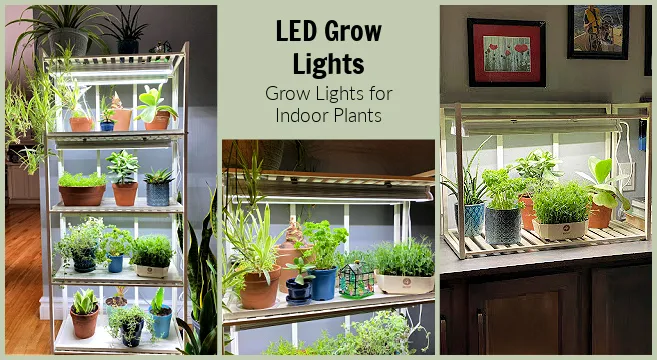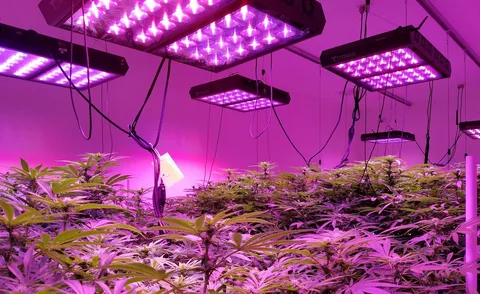
Are you tired of skyrocketing energy bills and wondering if your current lighting system is truly benefiting your plants? If you're still using High-Pressure Sodium (HPS) lights, it might be time to consider making the switch to LED grow lights. This change can significantly impact not just your energy consumption, but also the health and growth of your plants. In this article, we’ll explore the differences between HPS and LED grow lights and discuss why making the switch today could be the best decision for your gardening journey.
1. Understanding HPS Grow Lights
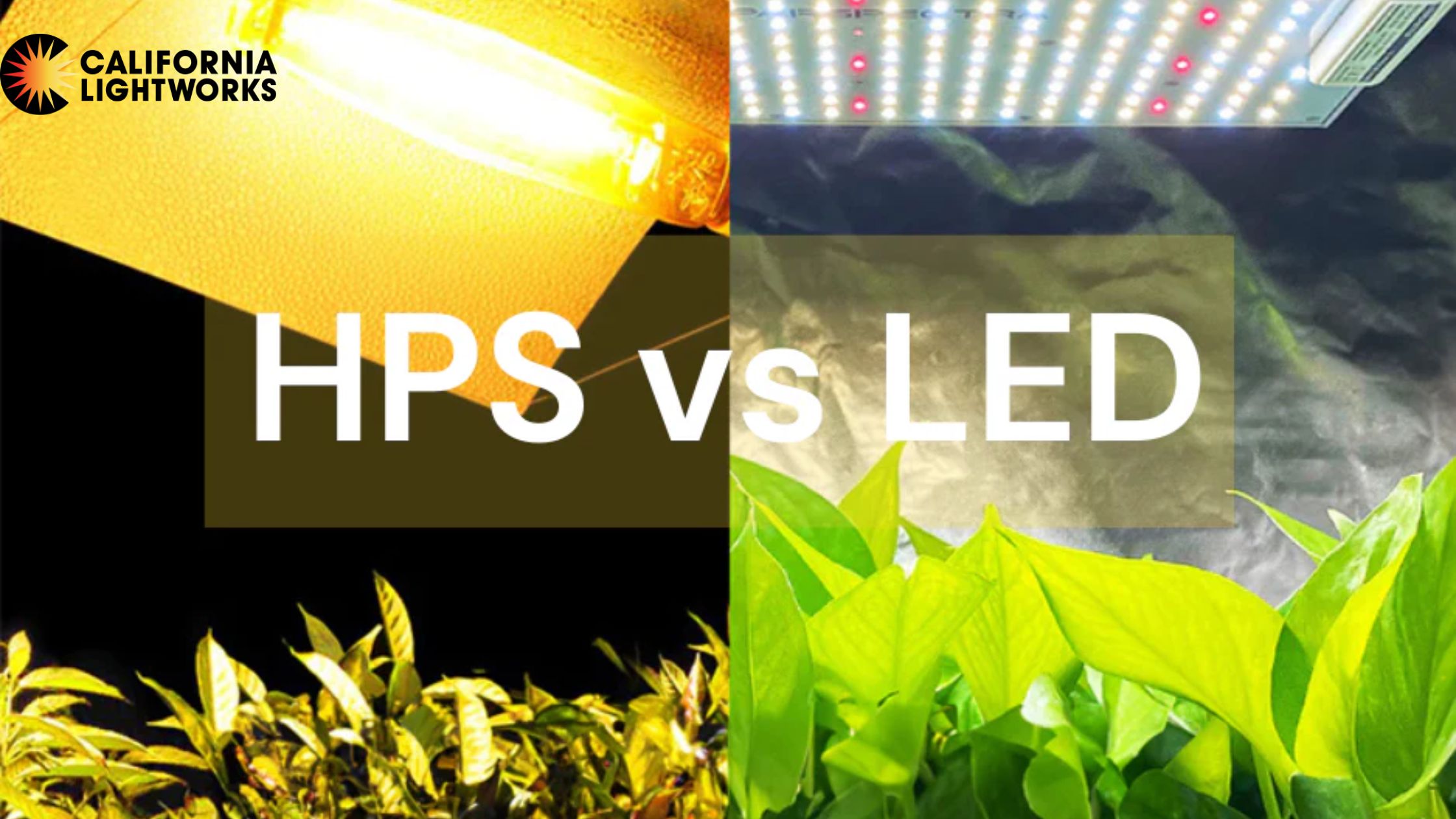
High-pressure sodium (HPS) lights have long been a staple in the horticultural world. They emit a warm, yellow-orange light that mimics the sun and is particularly effective during the flowering stage of plant growth. However, while HPS lights have their advantages, they also come with several drawbacks.
Pros of HPS Grow Lights
- Cost-Effective Initial Investment: HPS lights are generally less expensive upfront than their LED counterparts.
- High Intensity: They provide a strong light intensity, which can be beneficial for certain plants.
Cons of HPS Grow Lights
- High Energy Consumption: They consume a lot of electricity, leading to higher energy bills.
- Heat Production: HPS lights produce significant heat, which can lead to temperature control issues in your grow area.
2. Understanding LED Grow Lights
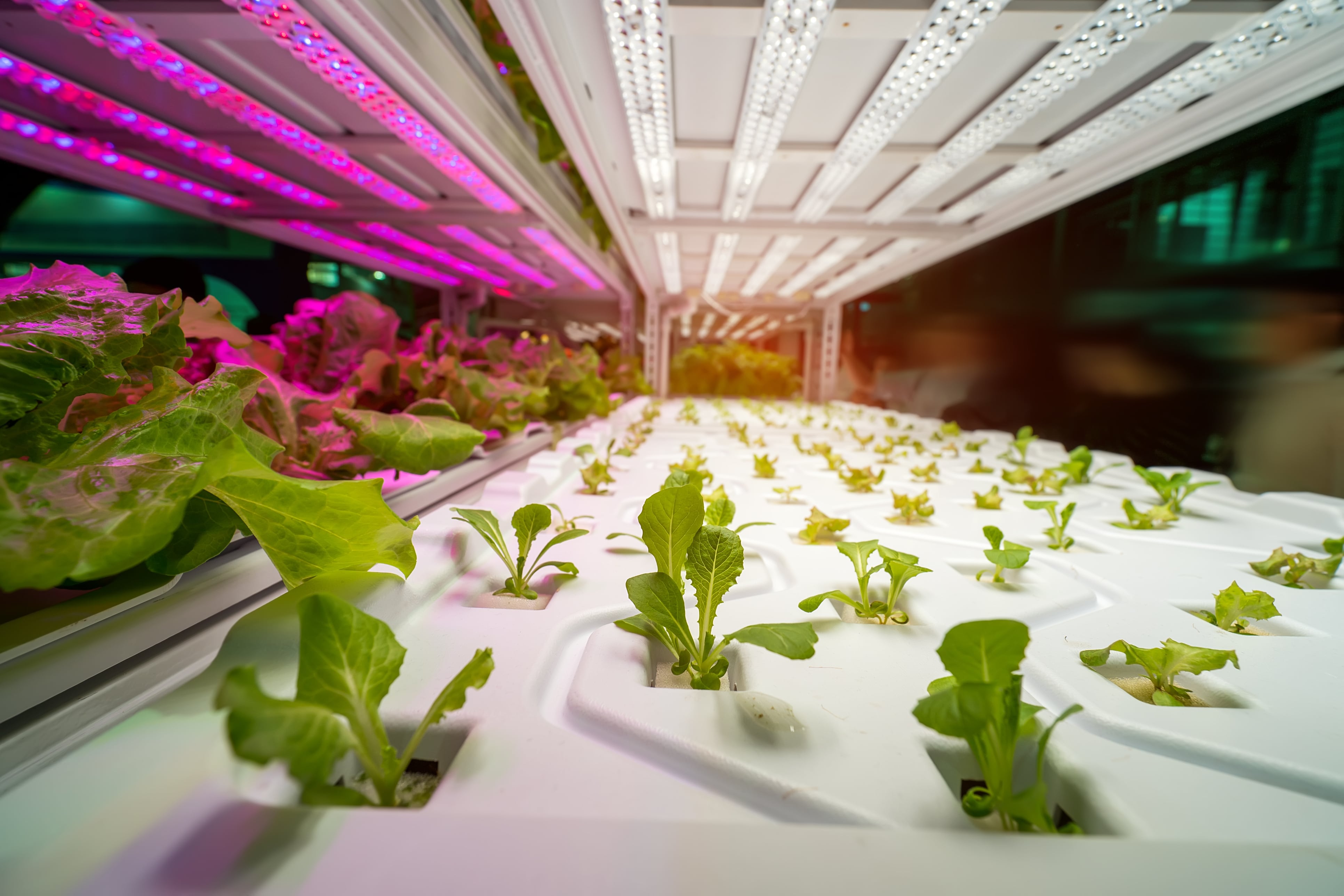
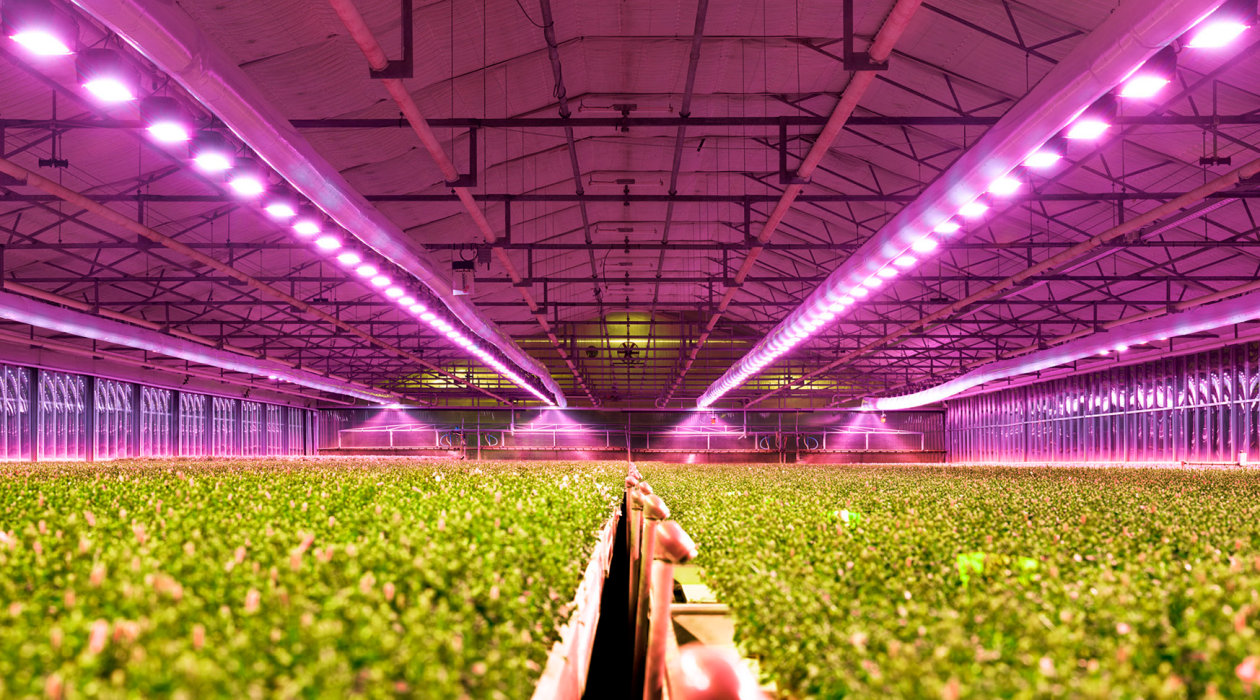
Light Emitting Diodes (LEDs) have revolutionized indoor gardening. Unlike HPS lights, LEDs are designed to emit specific wavelengths of light, making them more efficient for plant growth.
Pros of LED Grow Lights
- Energy Efficient: LEDs consume far less electricity compared to HPS lights.
- Customizable Spectrum: Many LED grow lights allow you to adjust the light spectrum to meet the needs of your plants at different growth stages.
Cons of LED Grow Lights
- Higher Initial Cost: LEDs can be more expensive upfront than HPS systems.
3. Energy Efficiency: HPS vs. LED
When comparing HPS to LED, energy efficiency is one of the most significant factors to consider.
- HPS: Typically uses around 400-600 watts for a standard grow setup, contributing to higher monthly energy bills.
- LED: Many models use as little as 100-300 watts for the same output, allowing you to save money on electricity without compromising plant growth.
4. Light Spectrum and Plant Growth
Plants utilize specific wavelengths of light for photosynthesis, and this is where LEDs shine.
- HPS: Provides a limited spectrum of light, primarily in the yellow and red wavelengths, which can restrict plant growth during vegetative stages.
- LED: Offers a full spectrum of light, including blue wavelengths essential for vegetative growth and red wavelengths for flowering.
5. Lifespan and Durability of HPS and LED Lights
The lifespan of your grow lights can greatly impact your long-term costs.
- HPS Lights: Typically last about 10,000 hours before losing effectiveness.
- LED Lights: Can last up to 50,000 hours or more, significantly reducing replacement frequency and costs.
6. Cost Analysis: Initial Investment and Savings
While HPS lights are cheaper to purchase, LED lights offer long-term savings.
- Initial Cost: HPS systems may seem like the better option due to lower upfront costs.
- Long-Term Savings: LED lights, though pricier, save money on electricity and replacement costs, making them a more economical choice over time.
7. Heat Output: Comfort for Your Plants and Space
Temperature control is crucial for successful plant growth.
- HPS Lights: Produce a lot of heat, necessitating additional cooling solutions, which can further increase energy consumption.
- LED Lights: Generate minimal heat, allowing for a more stable growing environment and less reliance on cooling systems.
8. Environment and Sustainability Considerations
Switching to LED lights is not only beneficial for your plants but also for the environment.
- Energy Usage: LEDs consume less energy, which reduces your carbon footprint.
- Materials: Many LED lights are made from recyclable materials, contributing to sustainability.
9. Choosing the Right LED Lights for Your Needs
Not all LED grow lights are created equal. It’s essential to choose the right one for your specific needs.
- Consider Wattage: Determine the size of your grow area and select an appropriate wattage for your plants.
- Look for Full-Spectrum Options: These provide the light spectrum your plants need throughout their growth cycle.
10. The Future of Indoor Gardening: Trends and Tech
The indoor gardening industry is constantly evolving, and LED technology is at the forefront of this transformation.
- Smart Lighting: Many LED systems now come with smart features, allowing growers to control light cycles and intensities through their smartphones.
11. Transitioning Your Setup: Tips and Considerations
If you’re ready to make the switch from HPS to LED grow lights, consider the following tips:
- Start Slowly: Transition gradually by replacing a few HPS lights with LEDs to observe plant responses.
- Monitor Growth: Keep a close eye on your plants to ensure they’re adjusting well to the new lighting.
Conclusion: Is It Time for You to Switch?
Transitioning from HPS to LED grow lights can be a game-changer for your indoor gardening setup. Not only can it lead to healthier plants and better yields, but it can also save you money in the long run. With energy efficiency, customizable light spectra, and reduced heat output, the benefits of LED lights are hard to ignore. So, if you’re still on the fence, consider making the switch today and watch your garden thrive!