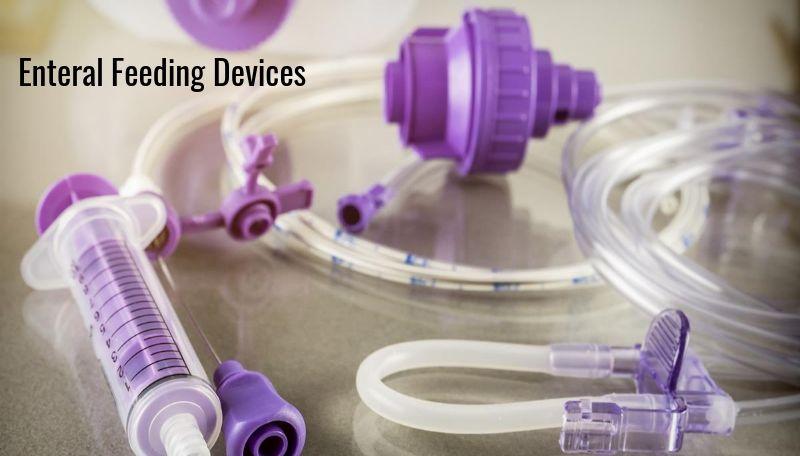
Enteral feeding tubes, such as the nasogastric tube (NGT), orogastric tube (OGT), nasoenteric tube, oroenteric tube, gastrostomy tube, and jejunostomy tube, are used to feed people who can't swallow their meals. Patients with a functioning gastrointestinal (GI) tract who are unable or unwilling to take oral feedings yet cannot swallow enough nutrients orally are candidates for enteral tube nutrition. Patients who are unable to eat enough food, either because their bodies require additional energy due to disease or because they have a limited appetite, are given enteral feeding systems or nutrition support.
Enteral feeding devices are medical devices that give liquids to people who don't have enough stomach fluid to meet their nutritional needs. It's especially useful for young children and infants with a weak or defective gastrointestinal tract who can't get enough nutrients through their mouth to meet their nutritional needs. Enteral feeding devices, such as feeding tubes, allow these youngsters to eat even if they have limited amounts of stomach fluid but can swallow liquids through the mucosal membrane.This is the most preferred choice for infants with severe food allergies, because it provides a continuous flow of nutrients to their stomachs, yet prevents the introduction of any solid particles into the intestines.
It prevents newborns from choking on their own solidified food, as well as the development of serious issues that can arise if a youngster is unable to receive nutrients. Enteral feeding systems have also become more refined and created with superior materials as a result of technological advancements and better manufacturing methods, resulting in improved comfort and functionality. Intestinal blockage is one of the most common signs of dietary deficiency in children.This disorder can cause serious consequences, including damage to the baby's intestinal tract. The risk of developing this extremely painful and potentially life-threatening illness is lowered when enteral feeding devices, such as feeding tubes, are used.
Furthermore, serious gastrointestinal tract disorders can be avoided or at the very least slowed down. The main benefits of employing enteral feeding devices are that they keep air out of the gastrointestinal tract and interfere less with swallowing, preventing infants from choking on solidified food. They also prevent air from entering the mouth, reducing the risk of food becoming lodged in the infant's throat and causing significant suffering. The prolonged exposure to air can result in adverse psychological effects on infants as they cannot converse.
Pediatric and geriatric patients frequently receive enteral nourishment. Patients with low voluntary intake, chronic neurological or mechanical dysphagia, or gut dysfunction benefit from enteral feeding systems. Depending on where they end up in the stomach or intestines, these devices may be divided into subtypes.


Enteral feeding is indicated in patients who cannot ingest adequate amounts of calories, but have sufficient gastrointestinal function to allow digestion and absorption of feeding solutions delivered into the gastrointestinal tract via an enteral feeding device.
The market for enteral feeding devices saw a healthy growth in the past few years.
The global enteral feeding devices market is projected to reach USD 3.19 Billion by 2022 from USD 2.39 Billion in 2017, growing at a CAGR of 6.0%.
Based on product, the enteral feeding pumps segment accounted for the largest of the market in 2016.
On the basis of application, the oncology segment dominated the market in 2016.
Download PDF Brochure@ https://www.marketsandmarkets.com/pdfdownloadNew.asp?id=183623035 What Driving the Market Growth?