


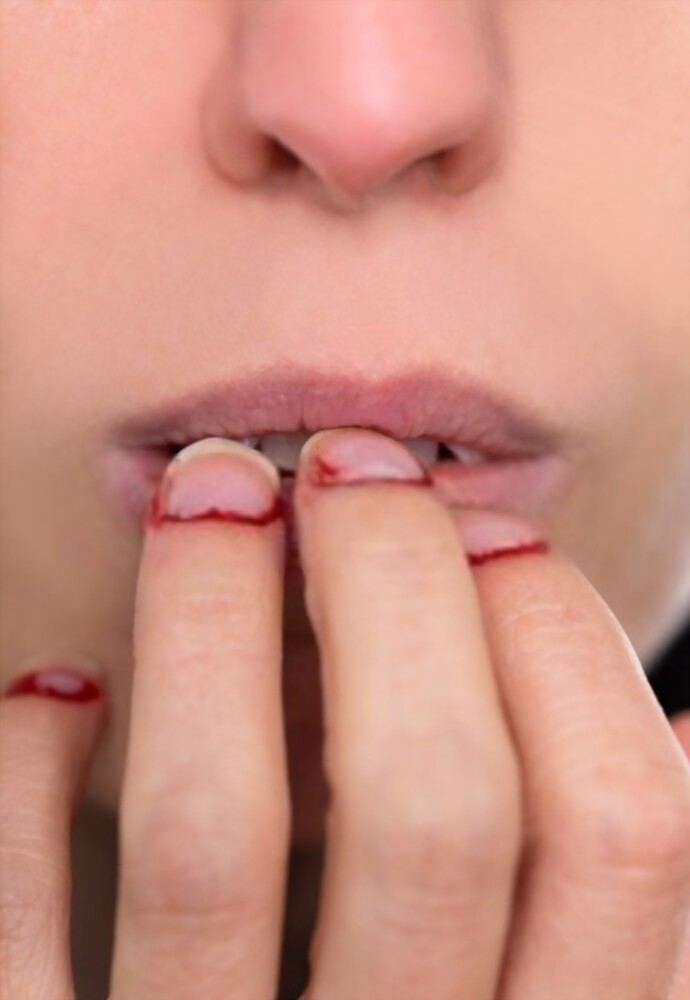
Girls now always pay attention to the state of their manicure, visit the master to apply a decorative coating, but sometimes it is recommended to take breaks to give the nails a rest, then women have to process the plate on their own. Pterygium Nail is something that almost every girl has encountered since it is a defect that is a continuation of the natural cuticle, which is why it is often quite difficult to remove it. It is impossible to make a high-quality, beautiful manicure without removing the pterygium. What is it - this is a part of the cuticle that is tightly adjacent to the nail plate.
General Information
Pterygium Nail is called the lower, thin layer of the cuticle. It is able to grow over the entire surface and fit snugly to the nail plate, so to speak, "sticking" during the growth of the nail and thereby closing its surface. Since the nail apparatus is a constantly renewing formation capable of recovery (with the exception of the matrix), the growth of pterygium is a fairly common problem.
What is Pterygium Nail
Pterygium Nail is a continuation of the cuticle - a thin film adhered to the nail. It consists of dead cells of the epidermis and the nail plate. Pterygium performs a protective function: it prevents the penetration of pathogenic bacteria into the matrix - the root of thef nail, located at the back of the nail bed.
Hard pterygium, unlike the cuticle, cannot be budged with manicure tools. It degrades the appearance of the nail, makes it less aesthetically pleasing, and interferes with the uniform application of the decorative coating.
The size of the pterygium depends on the individual characteristics of the organism. In some people, it grows quickly, just like the cuticle, and takes up half of the nail, in others, it remains almost invisible.
Related Content:
7 most famous Lunula Nail Problems, Lunula Nail Definitions & Fonctions.
Leukonychia, White Spots On Nails: Causes, Symptoms, Diagnosis And, Treatment.
Formation, Structure, and Function of the Nail
Normal growth of nails is observed from the moment of birth, their intrauterine development is extremely slow and begins with the gradual formation of dense structures in the places of localization of future nails, followed by the formation of growth rudiments and the matrix zone.
The normal structure of the nail in humans consists of a root - the main growth zone (a white hole protruding outward), a body, and an edge. They are surrounded and somewhat "hidden" under the posterior and two lateral ridges, which form the nail sinuses. The constantly growing cuticle with pterygium protects the nail root from pollution, aggressive environment, pathogenic bacteria, and other kinds of infections.
Under the roller, there is a primary young nail - a matrix consisting of a layer of onychoblast growth cells located in the subungual bed (hyponychia) and connected to the root. It determines the shape of the nail and the thickness, growth rate, structure, and color, as well as the chemical composition and, in general, the general condition. The processes of renewal and keratinization take place in it. Hyponychium, with its fibrous structure, determines the nail pattern and forms a fixing fixed base,
The main functions of the nail include protecting the fingertips from injury, "fine" movements, access to deep and small objects, assisting participants in the capture of objects, as well as combating itchy skin.
The structure of the pterygium is connective tissue and keratinized epidermal, more often from dead cells. The term comes from the ancient Greek pterуx, which means wings. Pterygium Nail usually grows in large quantities in the transition zones of the cuticle from the lateral ridges, hence the name "wing-like". By its origin, it is hypertrophy of eponychium - a living protective tissue around the nail plate.
The pathogenesis is usually based on impaired blood circulation and blood supply to the nail apparatus. In this case, the cuticle begins to grow excessively forward and attach to the base of the nail.
Read This:
Onychogryphosis "ram's horn nail ": Causes, Symptoms, Diagnosis, And Treatment.
Classification
There is an active and weakly active form of pterygium nail. The former is characterized by increased growth and a thick, dry structure. With such build-ups, regular and thorough care is required, possibly with the use of an apparatus manicure using a cutter or aggressive means (removers).
The second is the weakly active form of pterygium, which is softer and thinner in the structure: to care for it, it is enough to use moisturizers, oils, and hygienic manicures.
Pterygium Nail Causes
What is pterygium nail caused by?
The main cause of Pterygium Nail is circulatory disorders caused by trauma, in particular - eponychia, internal or external physical and chemical influences, as well as inflammatory processes. Among the most common causes are vegetative-vascular diseases, lichen planus, and the habit of biting nails.
The severity is significantly different for different people. At-risk are men and children under the age of 14, who have a powerful increase in pterygium against the background of the delicate and thin skin of the nail folds and thin cuticles. They are more prone to frequent hand injuries, gnawing, irregular manicures,s and lack of nail care.
Pterygium Nail Symptoms
What are the Symptoms of Pterygium Nail?
Pterygium Nail is characterized by significant growth of the cuticle on the nail plate, growing from the base of the nail along the ridges towards the fingertips and resembling "wings". By its structure, the pterygium is a rather thin film, tightly adhering to the nail plate and growing with it, but it can add dullness, roughness, and unevenness to the appearance of the nails (tubercles and grooves are often found).
Related Content:
Lunula nails: What does it mean when you have no Lunula.
Paronychia, Inflammation Around The Nail: Causes, Symptoms, Diagnosis And, Treatment.
How is Pterygium Nail diagnosed?
Nail build-up is a cosmetic problem. Pterygium can be quite invisible and not inconvenient, but when the decorative coating is applied, the aesthetic quality, accuracy, and durability are significantly reduced. Normally, the coating should last at least 2 weeks, if the time is much shorter, then this may be a sign of poor-quality removal of the pterygium and cuticle.
To study the size and extent of pterygium distribution in laboratory conditions, biomicroscopy and keratotopography can be used. Vascular disorders are attempted to be detected using fluorescence angiography.
Read Also:
Terry’s nails: Causes, Symptoms, Diagnosis and, Treatment.
Subungual Melanoma: Causes, Symptoms, Diagnosis, And Treatment " Brown Line On The Nail".
Pterygium Nail Treatment
How do you treat nail pterygium?
It is recommended to remove Pterygium Nail during manicure procedures. It is usually removed using a Dexterity tool, cutter, pusher, tweezers, and a sander. In this case, a disinfecting gel such as Swiss Guard is used, which helps to thoroughly remove all growths. Further treatment with antiseptics, essential oils (grapeseed, peach, or apricot) for cuticles, and soothing hand creams is also recommended.
There are several ways to treat pterygium:
Contact a manicurist, The safest type of manicure is hardware. When performing it, the master does not use nail scissors and other sharp instruments, there is no risk of cutting the client. The processing of the nail plate is carried out using a special machine with removable cutters. They allow you to remove the cuticle and pterygium completely painless. Also, a cutter can remove calluses, keratinized skin around the nail.
make a manicure yourself, without a cutter. The first stage is a hot hand bath; add 1 tbsp to the water. l. baking soda. When the cuticle has softened, together with the pterygium, it is pushed aside with a special spatula and cut off with tweezers or scissors. The remains of the pterygium nail are cleaned off with a manicure stick made from an orange tree. It is very important to act carefully so as not to damage the living part of the cuticle, where a large number of blood vessels are located.
use removers - special means for dissolving the cuticle. They contain active components, these are acids or alkalis. They eat away the dead particles that make up the pterygium and help them separate from the surface of the nail. Instructions for using the remover are quite simple: the product must be applied generously to the part of the nail covered with cuticle and pterygium, and wait for the time indicated by the manufacturer. It ranges from 30 seconds to 2-3 minutes. After that, peel off the skin with an orange stick, wash your hands and apply a moisturizer or emollient cream.
If the pterygium nail is removed correctly, the hands will look well-groomed, and the decorative gel polish will last for at least 2 weeks without peeling and chipping.
How to slow down the growth of pterygium
Here's what you can do to prevent the pterygium from growing too quickly:
-
- To do manicures regularly, and not from time to time. It is necessary to process the cuticle area and renew the decorative coating once every 3-4 weeks. Women, whose nails grow slowly, can afford to do it a little less often - once every 5-6 weeks.
- Use special means to slow down the growth of the cuticle. They are available in a variety of lotions and gels. They include organic acids.
- make softening hand baths with baking soda, natural oils, sea salt.
If, after a manicure at home or in the salon, the nails began to grow in, deformed, inflammation appeared - you should consult a mycologist, podologist, or dermatologist. You may have to be tested to identify the fungus.
Related Content:
The Lunula Nail Everything You Need To Know About.
Yellow Nail Syndrome: Causes, Symptoms, Diagnosis And, Treatment.
Procedures and operations
To remove pterygium on the nails, hardware or combined European manicure can be used.
Treatment with folk remedies
There are many folk remedies for hand and nail care. To prevent the formation of growths on the nail plates, it is advised several times a month:
-
- treat nails with a soft brush dipped in olive oil and citric acid.
- Make nourishing masks with kaolin, allantoin, mallow, and cosmetic paraffin.
- Treat the cuticle with essential oils, such as almonds, lavender, tea tree, or another plant that helps soften and soothe the integument.
- Rub the growth areas of the nail and rollers with citrus fruits such as lemon, orange, or grapefruit.
Prevention
To prevent a pterygium nail from growing too much on the cuticle area of a woman, preventive measures should be followed, which consist of careful treatment of sensitive skin. Several recommendations are prescribed:
-
- You need to do a manicure regularly, with a natural nail plate, it needs to be done every 1.5-2 weeks. If there is a decorative coating, it is recommended to renew it every month.
- Use cosmetic restorative preparations, the action of which is to slow down the regeneration of epithelial cells in this area and the growth of the cuticle.
- Make steaming baths 2-3 times a week, which will increase the metabolism in the matrix and maintain the water balance of the surface, preventing the skin from drying out.
It is always necessary to follow the recommendations, especially after the complete elimination of the defect when visiting the master of the nail service. This will prevent relapse.
Conclusions
Pterygium on natural nails in a girl is formed in a standard way with a lack of proper care for the hands and the manicure area, therefore it is recommended to immediately contact a beautician or dermatologist to prevent the progression of the lesion. With proper adherence to the recommendations prescribed by your doctor, you will quickly eliminate keratinized particles and prevent their reappearance.
Don't Miss:
Beau’s lines “Beau’s Ridges”: Causes, Symptoms, Diagnosis, and Treatment.
Onycholysis " Nail lifting ": Causes, Symptoms, Diagnosis, And Treatment.
Koilonychia ” Spoon Nail“: Causes, Symptoms, Diagnosis, And Treatment.
Trachyonychia “Rough Nail “: Causes, Symptoms, Diagnosis, And Treatment.


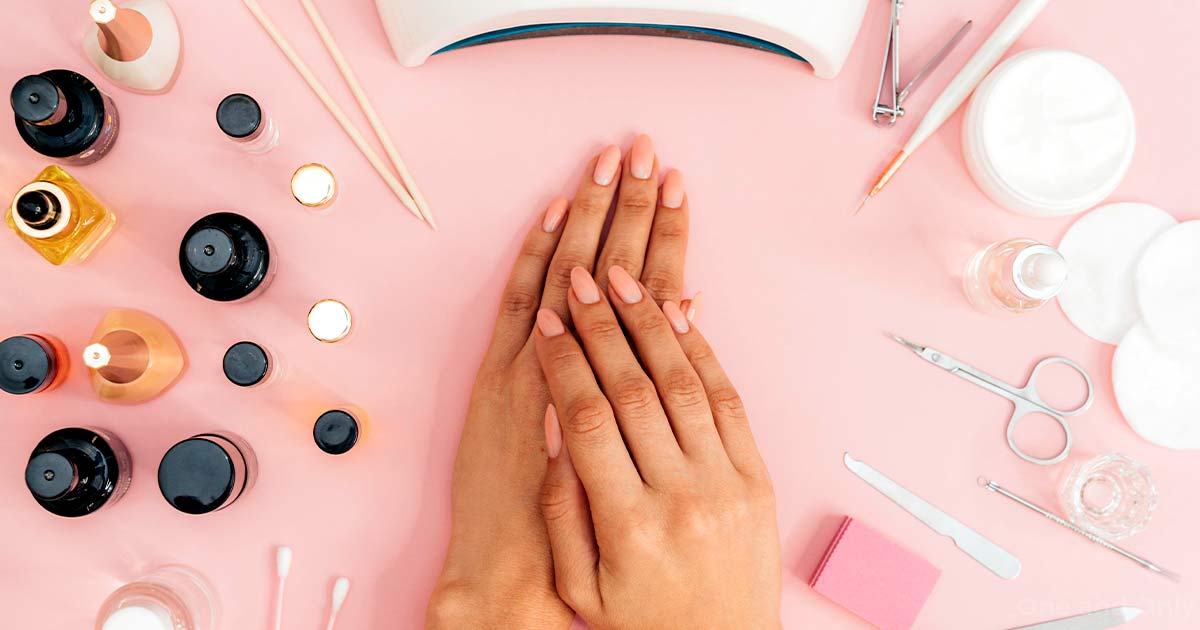

It's right there, right under your skin.The nail bed extends from the lunule to the hyponychium.
Global bodies help regulate body temperature by diverting blood flow from capillaries.
If you notice, contact your doctor or dermatologist:Changes in the color of the nails, for example, discoloration of the entire nail or dark stripes under the nail.Changes in the shape of the nail, for example, crooked nails.Thinning or thickening of nailsSeparation of the nail from the surrounding skinBleeding around the nailsSwelling or pain around the nailsFailure to grow nailsA note about manicures and pedicuresIf you rely on a manicure or pedicure to get healthy nails, remember some things.
If you lose toenails, it can take a year and a half for them to grow back!Fingernails grow faster on larger fingers and right hands when you are right-handed, and on your left hand if you are left-handed.Also, fingernails grow faster during the day and in summer.Nails production (Lunula Nail)The nail consists of a substance called onhyn, which is formed as a result of the death of germ cells, that is, cells that become different types of cells.
The nail matrix produces a gloss of the nail, and the removal of this part results in the loss of the gloss of the nail and the formation of an uneven surface.Nails care (Lunula Nail)Since your nails are important and even help your doctor find out if you are healthy or not, it is important to take care of them.
Rub it very gently back and forth along the tip of the nail to remove all rough edges.Dry your hands very well after washing or moisturizing.Rub the cream nails in, especially if your hands are dry.A healthy and balanced diet keeps the nails strong.Change your socks every day.Wear flip-flops in the public shower and pool to prevent infections caused by a fungus that can get into the nails.DON’T:Bite your nails or pick the skin around your nails.
Ultra Omega Burn is a new product having multiple advantages like better skin, boost weight loss, and enhance cardiovascular energy.
It’s an omega-7 dietary supplement that can help you to get rid of the overweight and a few other health issues.
It’s advertised s the purest form of the palmitoleic fatty acid.
According to their promotional video, this primary ingredient instructs the cell to release the fat, and it also forces our body to utilize the new energy source.
It has multiple other health benefits like it lowers down the cholesterol level up to 11%, normalize the blood sugar, decrease the insulin resistance, eliminate the wrinkles and acne, reduce inflammation, decrease the risk of heart attack, improve the skin and nail health.https://ultra-omegaburn.com