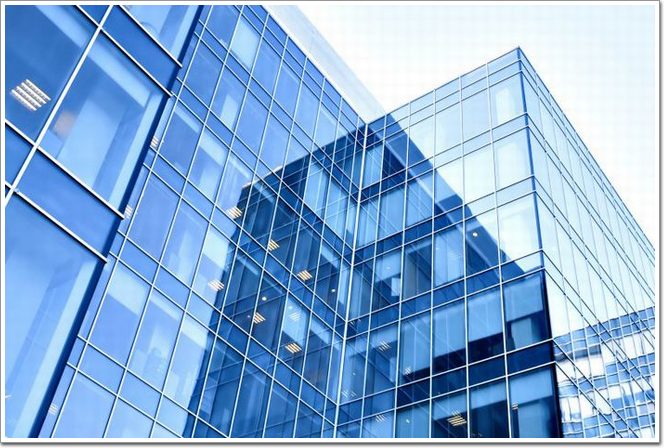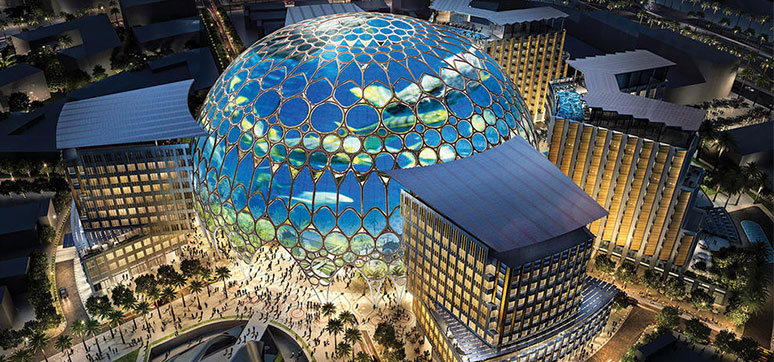
A curtain wall is a nonstructural exterior covering of a building that is connected to the frame and used to withstand the effects of environmental elements that includes wind, rain, etc. Every good curtain wall system has to be designed considering five key elements: safety, quality, cost, aesthetics, and constructability. All of these elements are very much linked with each other to achieve the desired outcome.
But how to know if a curtain wall is well designed? A well-designed envelope is one which not only focus on comfort, but it is also focus on the heating and cooling loads we spend and the overall energy consumption.
Curtain walls provides many advantages to high rise buildings. Some of its benefits are:
1.Keeping Out Air and Water
2.Reducing Building Sway
3.Slowing Spread of Fire
4.Thermal Efficiency
5.Appearance and Attractiveness and much more.
Thermal performance is one of the essential criteria among above mentioned benefits in the current curtain wall system design, considering energy saving and sustainability is one of the hottest topics that we cannot ignore. The thermal performance of a curtain wall should be adjusted to its climate conditions.
After so much planning some curtain wall section still manage to fail. What could be the reasons? The most common types of failure are air/water leakage through the curtain wall systems.
Read the article to know more.