

Concerning Cloud Load Balancing
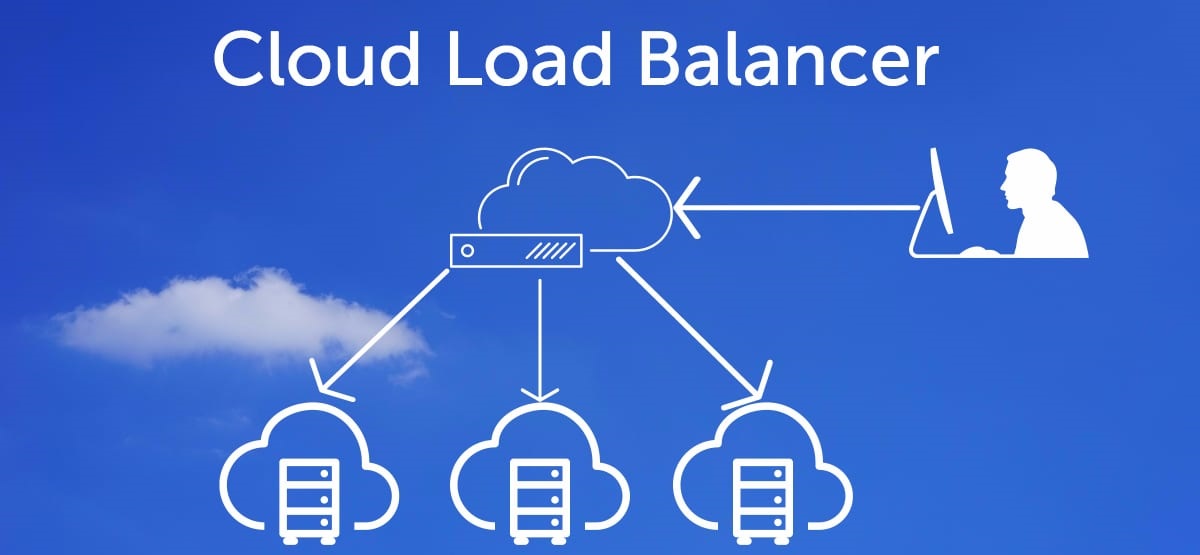
You can serve content as close to your users as possible using Cloud Load Balancing on a system that can respond to over one million queries per second.
Cloud Load Balancing is a software-defined, fully distributed managed service. Because it is not hardware-based, you are not required to manage a physical load balancing infrastructure.

The following load balancing features are available on Google Cloud:
- A single IP address to serve as the frontend
- Intelligent autoscaling of your backends automatically
- External load balancing for when your users access your applications via the internet
- Internal load balancing for when your clients are inside Google Cloud
- Regional load balancing for when your applications are available in a single region • Global load balancing for when your applications are available globally
- Pass-through load balancing (also known as direct server return (DSR) or direct routing) (as an alternative to pass-through)
- Layer 4-based load balancing to direct traffic based on data from network and transport layer protocols, such as IP address and TCP or UDP port
- Layer 7-based load balancing to add content-based routing decisions based on attributes, such as the HTTP header and the uniform resource identifier
Global versus regional load balancing
Make use of global load balancing: when your backends are spread across multiple regions, your users require access to the same applications and content, and you want to provide that access via a single anycast IP address. IPv6 termination can also be provided by global load balancing
When your backends are all in the same region and you only need IPv4 termination, use regional Load Balancing.
Internal vs. external load balancing
Google Cloud load balancers are classified as either external or internal:
• External load balancers route internet traffic to your Google Cloud Virtual Private Cloud (VPC) network. Global load balancing necessitates the use of the Premium Network Service Tier. Standard Tier can be used for regional load balancing.
• Internal load balancers distribute traffic to Google Cloud instances.
The type of traffic
Another consideration in deciding which load balancer to use is the type of traffic that your load balancer must handle:
• For HTTP and HTTPS traffic, use: External HTTP(S) Load Balancing Internal HTTP(S) Load Balancing
• For TCP traffic, use: TCP Proxy Load Balancing Network Load Balancing Internal TCP/UDP Load Balancing
• For UDP traffic, use: Network Load Balancing Internal TCP/UDP Load Balancing
For more guides, tutorials, tips, reviews and tech news - Check out our CD Blog
Learn how to migrate your infrastructure into the future world 🔽
CD Help right NOW- Devops