





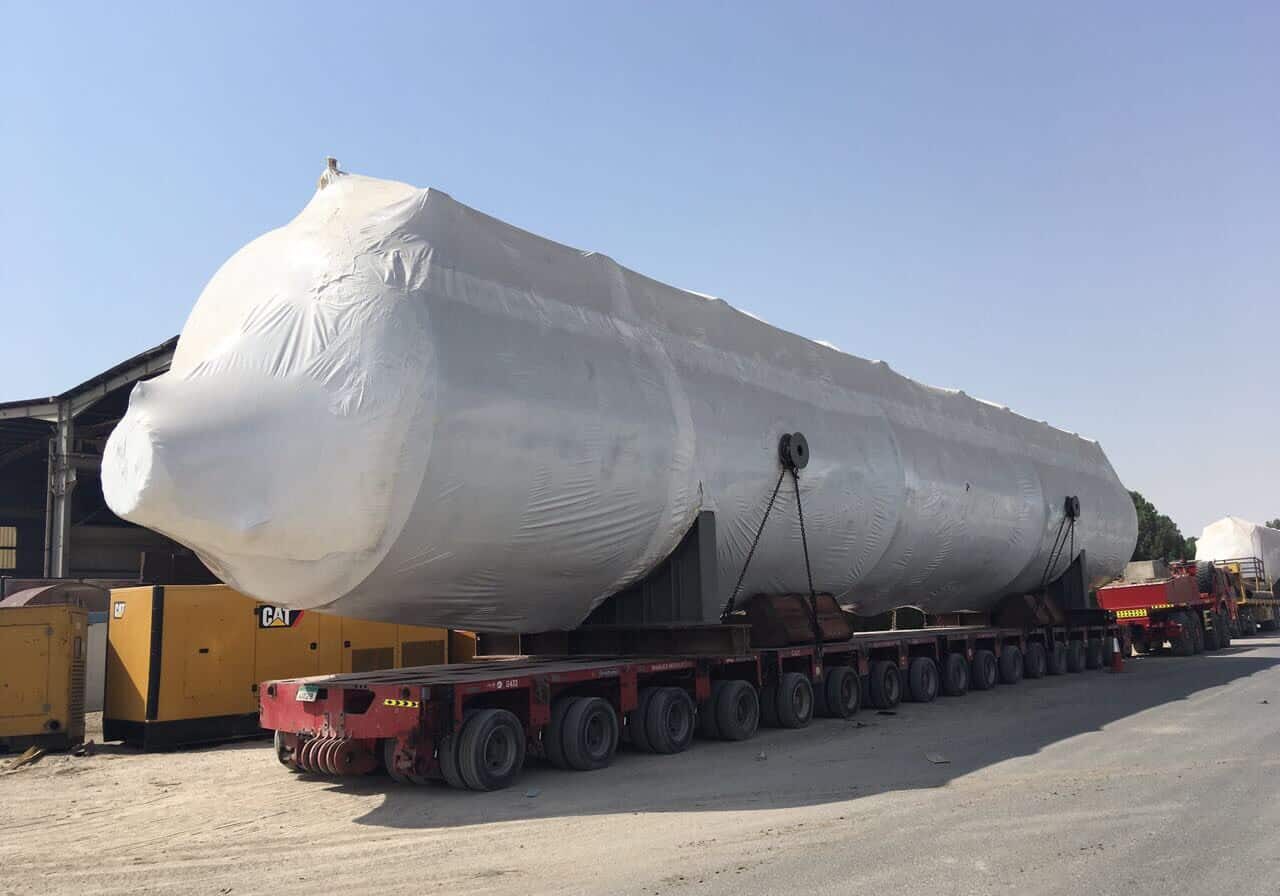
Heat shrink wrap is easily customisable, and a cost-effective, efficient packaging method to protect your product from damage. Most common shrink wrap problems are based on three areas: Time, temperature, and pressure. Before starting any application process, it would be best to find out whether it is the fault of the shrink wrap being used or the machinery. Once the problem area is sorted out, various solutions are available to rectify the same.
A Few Problems That Can Arise During The Heat Shrink Wrap Application Are:
· Angel Hair
These are very thin strands of melted plastic that stretch from the product and the sealed part of the wrap and are caused by the sealing wire or seal bar not being hot enough. The wrap does not have time to cut completely due to which the wrap stretches off the wire. Periodic checking of the efficiency of the sealing wire, clamp pressure, and conveyor speed should help to solve this problem.
· Dog Ears
Dog Ears are triangular protrusions of the wrap on the corners of a package, resembling a dog’s ear. It is the most common problem encountered in heat shrink wrap application. It is caused by improper heating of the shrink gun or tunnel, the size of the shrink wrap, and low-quality wraps. It can also be caused due to the size and shape of your packages. If the shapes of the products are irregular or they have abnormal corners, this can result in dog ears. They can be avoided by applying extra heat during the application process or by using a high-quality wrap.
· Ballooning
Shrink wrap ballooning happens when the shrink wrap is exposed to hot air after sealing. The air inside of the bag expands and causes the shrink wrap to balloon. By using a wrap with vent holes, known as a pre-perforated wrap, ballooning can be avoided. This wrap comes with very small holes throughout the entire roll of wrap that allow air to escape during the application process.
· Splitting Seals
Bad seals require to be attended to immediately as they can result in damaged products and even loss of product during shipment. It is caused when the wrap used is not thick enough or due to the poor sealing position of the cargo in the wrapping line. A thicker wrap or readjusting of the sealing machine would be able to address the issue of bad seals.
· Blockage
Shrink wrap blockage happens when the different layers of the wrap are stuck to each other, preventing its application. This is the result of storing the material at temperatures that are higher than those recommended by the manufacturer. This makes the wrap layers melt and get stuck to each other. To prevent this, heat shrink wrap must be stored at the recommended temperature as per the supplier’s specifications.
Heat shrink wrap is a versatile packaging solution that can be used on a cargo of various sizes and shapes. By carefully following the guidelines to avoid common shrink wrap problems, one can get the best packaged cargo for safe shipping and transportation.



But the students always want to find the best and most effective ways for how to solve assignment problems.
In this blog, we have given all the necessary information to help you solve your assignment problems.
How To Solve Assignment Problems-Stepwise GuideTo solve assignment problems, you need to understand the question carefully first.
Follow these steps to know How To Solve assignment Problems:1) Proper Planning Is Required This is the first step when you start solving your assignment, you’ll most likely jump directly into the main thing.
When you note down everything then the next step is to find the best place for work.2) Collect All the required Data Before You Start This is the biggest problem of many students, they don’t really follow this step.
The less time you waste on checking your laptop or mobile, the more quickly you can complete your assignment.
