




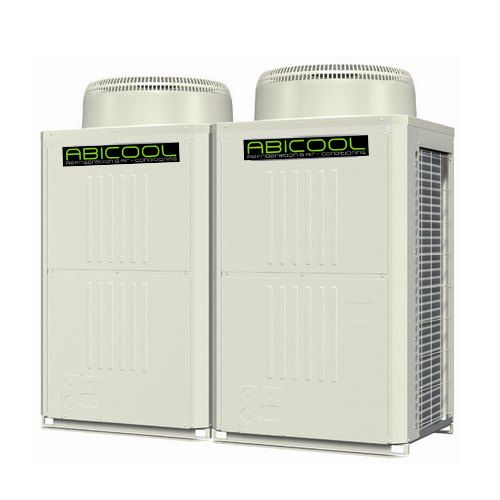
Multi VRF systems are modular heating and cooling systems that may be tailored to any size commercial organization. This is because they simultaneously provide energy-efficient heating and cooling to many zones, maximizing building design options. VRF systems are most typically used in commercial buildings, although they can also be found in high-end, large-scale residential settings.
VRF Multi-Systems are widely used across the globe for over three decades. The system is account for 90% of new installations in commercial buildings, including high-rise apartment buildings, manufacturing plants, and other similar structures.
It is a cost-effective method of heating and cooling commercial buildings. VRF is noted for its high energy efficiency and ability to provide a quick return on energy savings investment.
How does VRF Multi-System work?
A multi-VRF HVAC system is a complicated beast. The most basic definition of variable refrigerant flow technology is a large-scale ductless commercial HVAC system that can operate at a high capacity. The specific design of VRF HVAC systems will vary depending on the application. These systems are extremely adaptable.
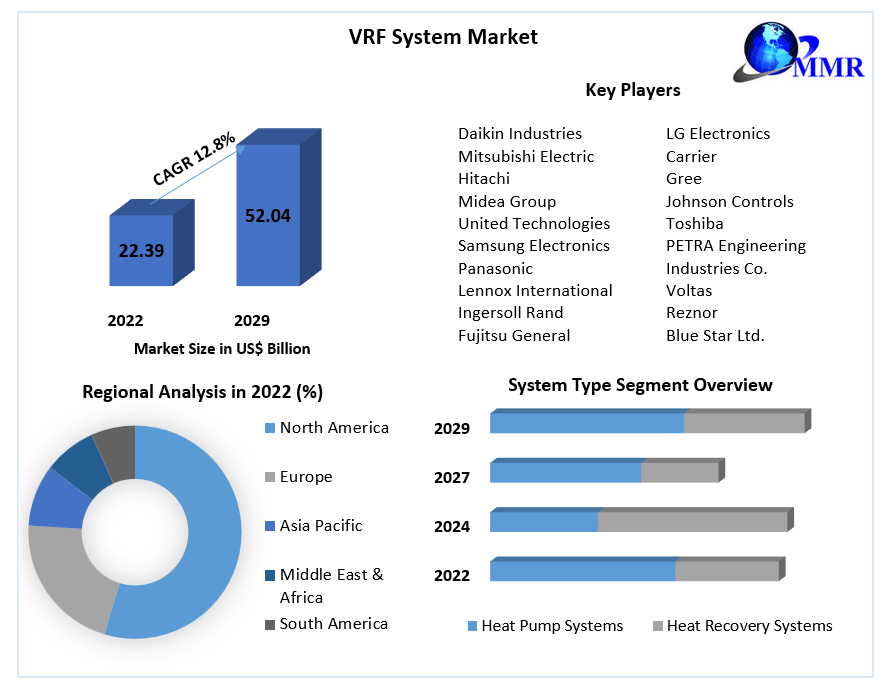
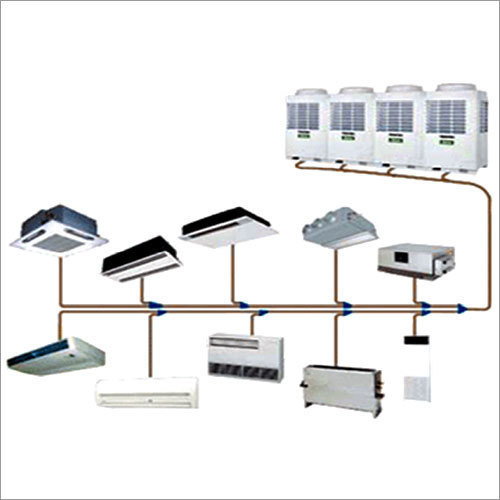
VRF technology is preferred by most project and facility managers because it allows several indoor units or zones to operate on the same system at the same time. VRF systems can be either a heat pump or a heat recovery system, and both provide heating and cooling at the same time.
VRF HVAC systems, like traditional systems, are refrigerant-based and use outside condenser units and indoor fan coil units. A VRF HVAC system, on the other hand, uses multiple smaller air handlers that can be independently controlled and piped back to one system, rather than one giant unit pumping out air to the entire building.
The system manages the quantity of refrigerant flowing to each of these miniature air handlers with the variable refrigerant flow. Let's imagine a newborn intensive care unit in a hospital needs to be heated to a specific temperature. However, the server room at the hospital must be chilled to a temperature of 15 degrees lower. Both are achievable with the VRF technology at the same time.
The Advantages Of Installing VRF system technology include:
VRF systems are incredibly quiet, unlike some older HVAC systems that create a lot of noise. You may lower ambient noise on both the inside and outside of a building by installing a VRF HVAC system.
VRF HVAC systems consume even less energy than the most energy-efficient standard HVAC systems on the market today. This is due to a variety of factors. A Multi VRF system is built to supply the exact quantity of heating or cooling required for the current conditions. This implies that it operates less frequently and at a reduced capacity. The VRF HVAC system also absorbs heat that is released during the cooling process and reuses it in regions that require heating.
The leftover heat collected from the air during the cooling process is captured by the VRF HVAC system and directed to other portions of the building that require heat. That means you can have air conditioning in the living room for a party while keeping the baby's bedroom warm. For a large gathering, you may have heat in the winter for cooler window offices and air conditioning in the central conference room.
The compressor in a VRF system can identify the precise needs of each zone and send the exact amount of refrigerant required to complete the task. As a consequence, each region of your space is consistently pleasant, with humidity levels that are well-controlled and no hot or cold areas.
There is less wear and tear on the parts because the VRF HVAC system is designed to work only when needed and under partial-load conditions. As a result, there will be fewer breakdowns. In addition, if one air handler fails, the others are usually unaffected. As a result, your entire space will not be without air conditioning at the same time.
Because the air handlers are smaller and VRF HVAC systems do not typically require ducts, the equipment takes up less wall and ceiling space.
In Conclusion
If you're thinking about replacing your old system with a new VRF Multi system, you might be worried that your current maintenance provider isn't up to the job.
Connect with the professional Service Provider, if you think it's time to transfer air conditioning firms but aren't sure how to go about it.

VRF systems are attracting the attention of many as the preferred HVAC system for residential, commercial and industrial applications.
These systems feature multiple zone flexible instllat6ions and lack ductwork.
For this reason, they come in handy where space is limited making it the perfect choice for existing building HVAC system retrofits.
Keep on reading to find out more.
Methods of VRF Outdoor Ventilation Air Before going any further, it is imperative that you know about the common methods of VRF outdoor ventilation air.
Some of the most notable methods you need to know about include Dedicated outdoor air system (DOAS) and Exhaust Recovery Ventilator (ERV).