

Cranes are powerful pieces of machinery that allow heavy items to be lifted on building sites. When incorrectly handled, they can be hazardous in both loaded and unloaded states.
In the construction and heavy equipment sectors, crane accidents are a prominent cause of death. Cranes are unquestionably safe because of technological advancements, but entire Jobsite safety is dependent on the steps contractors and personnel take to avoid mishaps.
Crane safety safeguards all project participants from potentially dangerous events. When utilizing a crane, following the safety standards will ensure that no one is hurt throughout the job.
There are several measures available to safeguard employees, but safety education is one of the most effective. Even though they will never operate a crane, every worker should get basic crane safety training. Here are some safety precautions for cranes in the workplace.
Choose The Right Crane For The Job
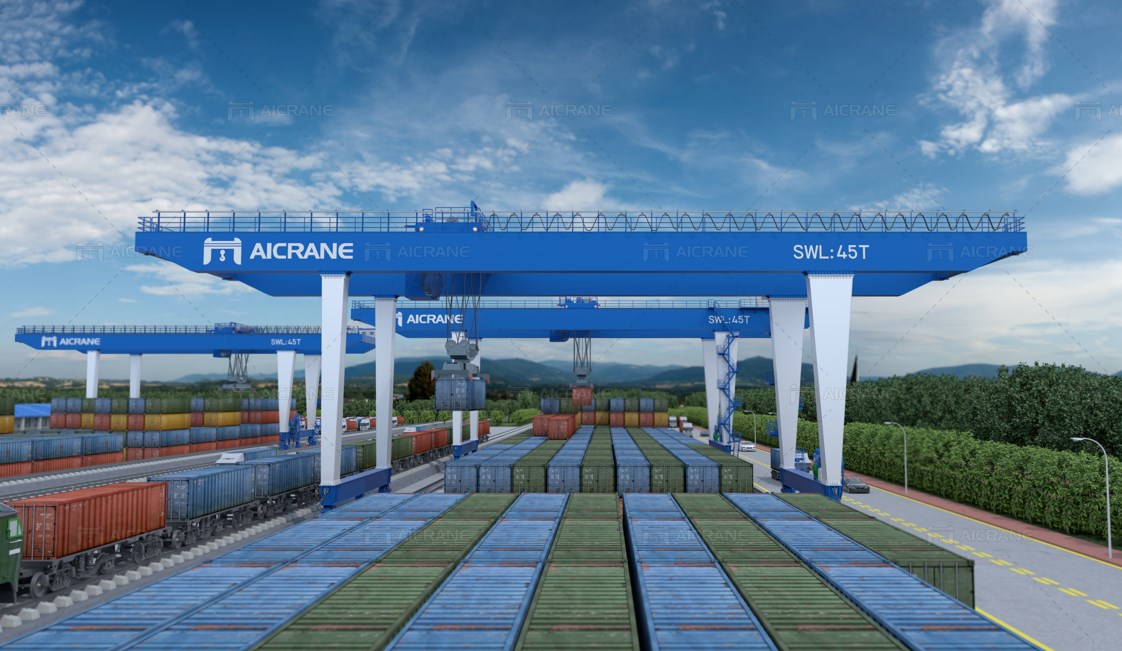
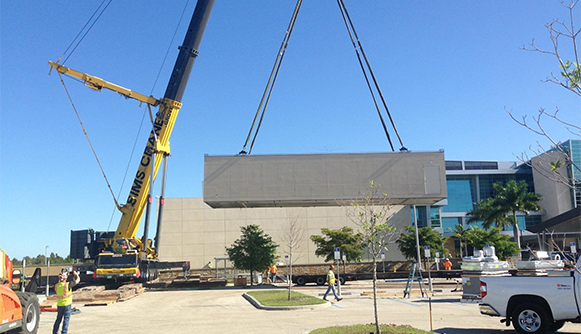
To guarantee a safe working environment, we must select the appropriate crane structure for the job. Cranes can be movable or stationary, with fixed cranes typically being employed in industrial settings or for large, complicated construction projects. Mobile cranes are of different varieties, be sure you choose the proper one for the job.
Some common crane structures are
- Carry deck crane:
- Crawler crane:
- Rough-terrain crane:
- All-terrain crane:
Make Use Of Qualified Personnel
Cranes require qualified employees for setup, rigging, signalling, and operation in order to be safe. The Occupational Safety and Health Administration (OSHA) has regulations on how to train the crane operators to handle work in different locations. Make sure you follow all requirements to ensure that cranes are operated by qualified persons at all times.
Read Operator Manuals
Each crane manufacturer uses its own unique features in the crane setup. An operator may not know about the distant features used in the crane. It is always better to go with the manual before starting operating the lift. Some key areas to be focused on are
- Load capacities
- Safety mechanisms
- Stabilizers and counterweights
- Operator controls
Perform Daily Operator Checks
A crane operator must utilize a daily inspection checklist to confirm that the crane is safe to operate before starting it up. Pre-start inspections, engine start-up inspections, and safety system inspections are all part of this process.
- Pre-start checks:
- Engine start-up checks:
- Safety system checks:
Clear The Crane Path
Ensure that the path is clear of any obstructions before beginning the crane operation. Hazardous elements in the path, such as electrical wires or other permanent features, should be avoided, and the operator should constantly maintain a safe distance during operations.
Carefully Stabilize Crane Before Rigging
Outriggers or other stabilizing elements are used on mobile cranes to keep them from tipping over during operation. To determine how far to extend outriggers for stabilizing the crane, refer to the manufacturer's instructions.
Rig The Load Correctly
Loads that are properly rigged are less likely to fall and strike employees on the job site. Even the most irregular and heavy loads may be lifted safely and securely with a thorough grasp of force, weight distributions, and rigging procedures. Take into account the following factors while rigging a load:
- Hitching
- Sling angle
Pay Attention to Load Limits
Despite the fact that many contemporary cranes come equipped with load moment indicators and rated capacity limiters, crane operators still need to be able to read load charts in order to plan for a safe lift. When it comes to determining whether or not a lift is safe for loading, load charts are quite helpful.
- On rubber vs. outriggers:
- Rotation
- Load radius
Use Proper Communication
Cranes may be operated safely with the use of a standard set of hand signals and communication protocols. A competent signal person can efficiently relay information to a crane operator during the lift, allowing the crane operator to adjust to changes in the lift scenario as they arise.


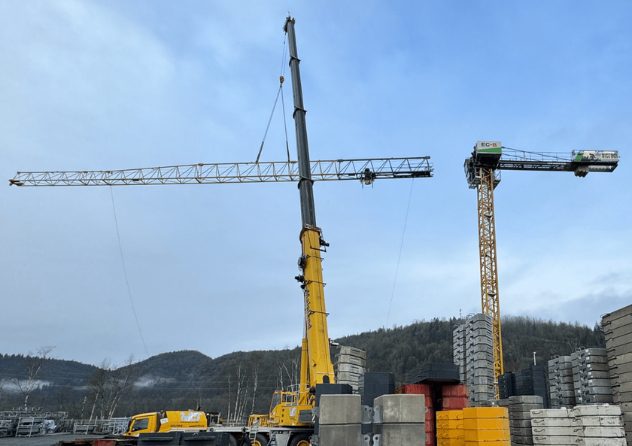
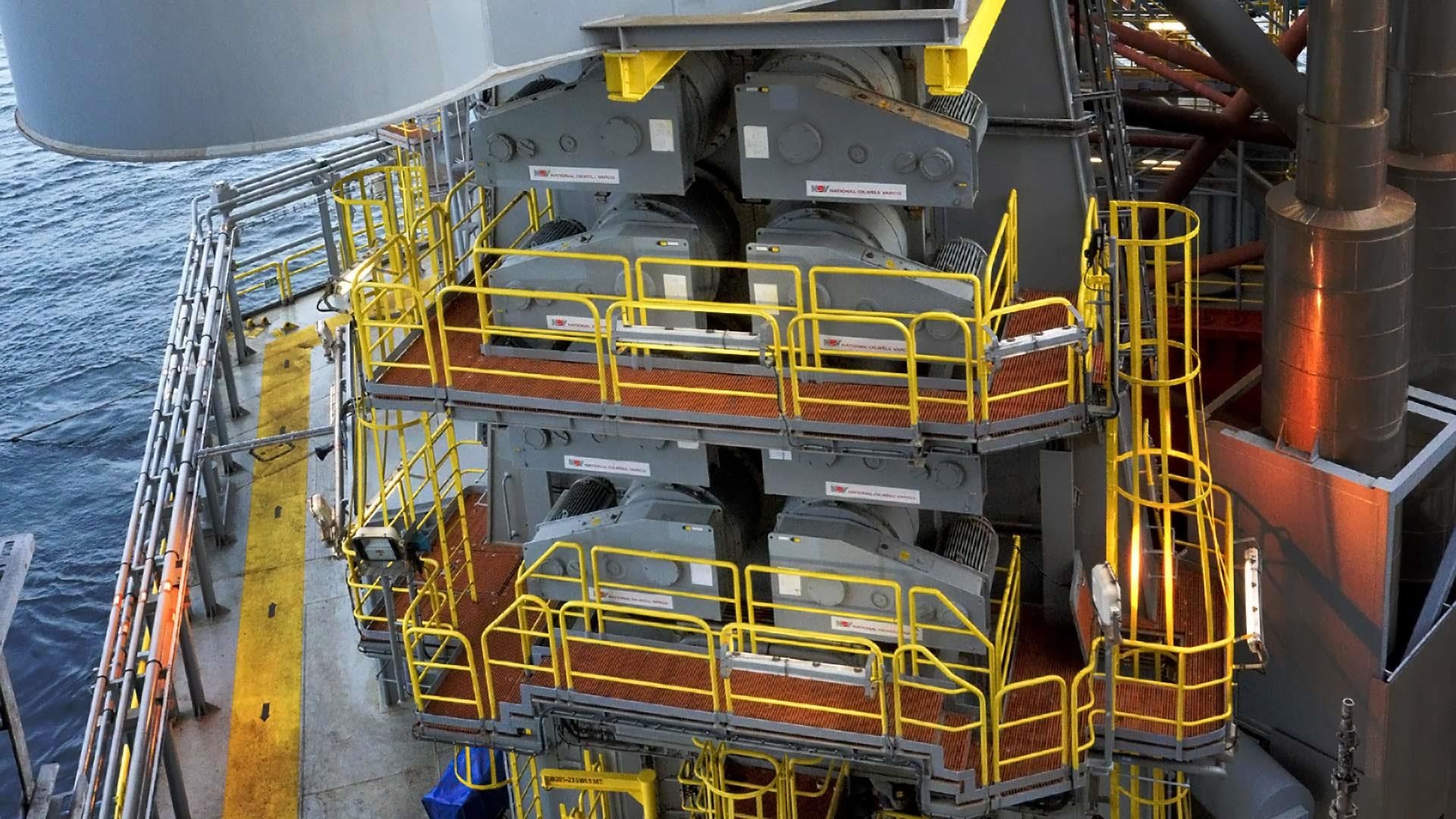
Singmarine offshore services provides jacking and skidding systems for all kind of offshore cranes link baker marine crane, pedestal crane, favco crane, seatrax crane and many more.
We also provide high quality skidding system cylinder, gustomsc jacking system, BLM jacking system, baker marine jacking system, hydraulic skidding system.