In the past 20 years, recruiters and recruitment have come a long way. The expanded reach, vast networking, emphasis on employer branding, and interview scheduling mediums didn't exist in the same capacity only two decades ago.
Since technological advancements took over the hiring process, the recruiters' expectations and mandates have also changed. More focus is on exploring the global talent and a higher interest in enhancing the candidate experience. Let's find out the five biggest influencers on the future of recruitment.
Artificial Intelligence
The AI has evolved. It is way more intelligent than the classification of spam emails and a lot more agile than the face recognition of mobile phones. Artificial Intelligence for recruiting is now becoming a relationship-building affair than a candidate-filling job. To ensure that the top talent thrives in the coming years, recruiters make all the possible checks to ensure they have picked the right applicant. And essentially, this is (can be) done with the help of an intelligent AI.
How? Let us see:
1. Acts as a personal assistant
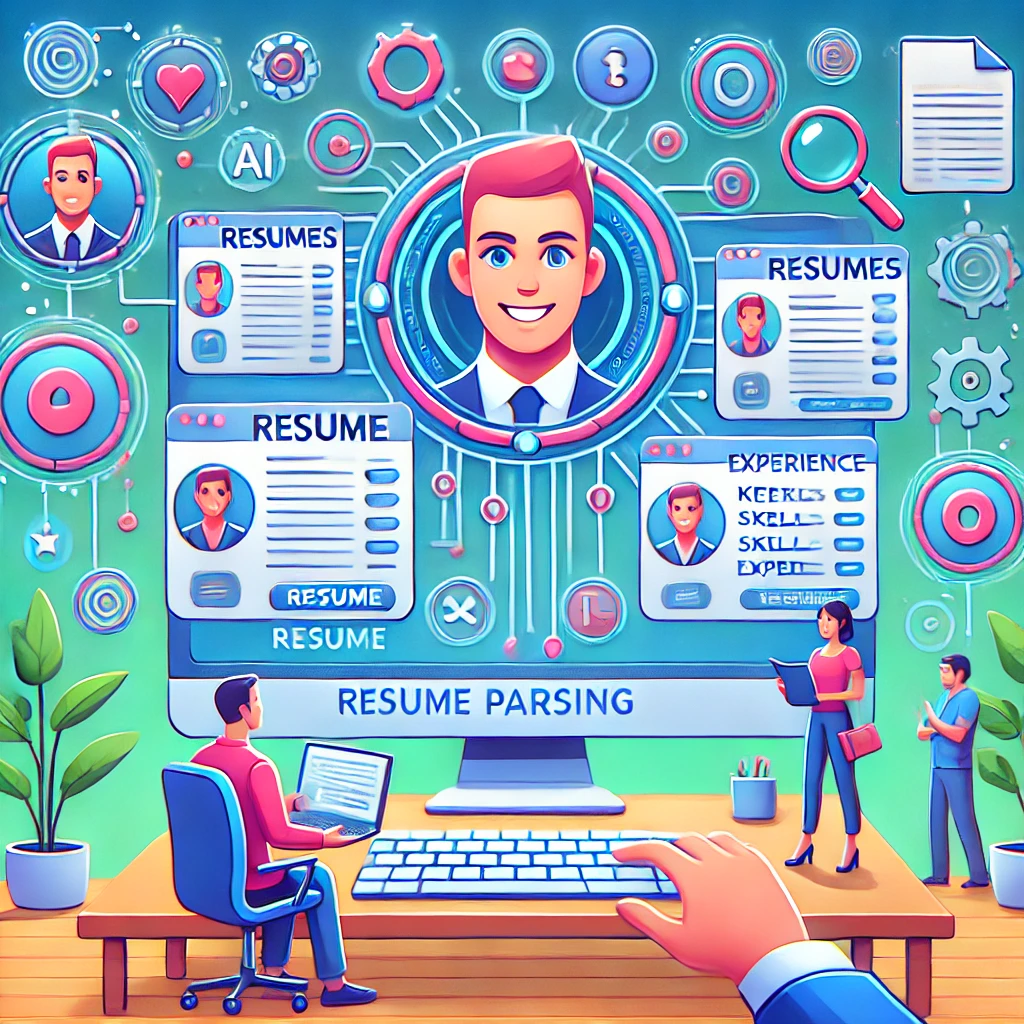
Answering minute candidate questions related to organizational structure, interview scheduling, and screening sounds like a typical day at work. The problem arises when these questions are multiplied by 10's, 100's, and sometimes 1000's. In that regard, the more tiring, mind-numbing tasks that can be automated, the better. The AI-powered resume parsing tools help the recruiters honor time, resulting in a positive impression on high-value candidates.
2. Keeps bias at bay
Most recruiters are busy executives. With data field configuration functionality in some AI tools like resume parser, the AI intelligently provides a choice to remove the data fields that can cause bias like age, gender, religion, nationality, etc. These technically useful tools allow talent acquisition teams to make data-driven hiring decisions rather than decisions based on their gut feeling.
3. Speeds up the recruitment process
Artificial intelligence never takes a day off. Be it midnight or a Sunday afternoon, the AI-infused resume parser technology is constantly working to provide recruiters with a detailed report of candidates interested in the job. Therefore, since there is no manual resume screening involved, you can get back to the applicants within a day.
Recruitment Marketing and Advertising
Today, most recruiters are heavily focused on job advertising and emphasize why only qualified candidates should apply for an opening. To ensure that their effort doesn't fall short, recruiter marketing executives gather and analyze big data to know who their audience is. The ultimate goal is not to attract a herd of applicants but to attract top talent that accurately fits the job.
To be in the best position to do so, talent scouts will continue utilizing the company website, employee testimonials, and online recruiting.
But how?
1. Company website
This modern recruitment trend ensures that the organization's website houses all the reasons a candidate would seek before joining. This includes the company's mission, fundamental values, employer brand, and last but not least, the organization's reputation as a place to work. Once all these factors are in place, an optimized careers page will work as a cherry on the cake.
2. Employee testimonials
People trust people above all. Any talented candidate with the required skill-set in their specific fields will be going through any reviews they find online before applying. Candidates trust the employee testimonials and reviews because they come from real people like themselves. Hence, it is of great importance to have a positive candidate experience regardless of the fact that they are hired or not.
3. E-recruitment
Online recruitment or e-recruitment is becoming more than just a sourcing platform for candidates using the internet. Today, this is being done in various ways, including job boards and social media recruiting. According to the future recruiting study findings, 92% of employers said they use social networks to find the perfect fit. Apart from social, there is a steady increase in job boards, aggregators, professional association websites, and college alumni organizations to tap into an active pool of candidates.
Innovative Learning
To instill a positive change in the workforce, innovation is a must. Talent acquisition leaders must constantly look for new mediums to innovate because new-age problems require new-age solutions. Here's an overview of innovative tools in recruiting and why it is crucial to encourage them in the workplace.
1. Effective role of ATS
The talent market is filled with savage competition making the current scenario most difficult for the recruiters to spot the perfect candidate. These times call for a system that allows recruiters to collect correct information, organize prospects based on job requirements, and filter candidates. All of this, topped with the right set of report insights and analytics, can be attained through an ATS.
2. A resume parser can make all the difference
Resume parsing based on an application programming interface(API) allows the recruiters to import helpful information from millions of resumes overnight. Many software companies have successfully provided easy implementation of these parsing tools, making them more accessible to non-technical executives.
3. Skills taxonomy
Indeed skills are the new currency of work; hence there is a considerable need to harness them correctly. Recruiters often feel that it is challenging to match candidates' skills to a job profile. Skills taxonomies show them the way by managing and identifying the skills that make companies successful.
Recruitment Driven by Data Analytics
The talent acquisition team can perform better recruitment drives if they have the recruitment-driven analytics at their disposal. Such hiring practices are driven by past data and set the trends for future functional insights. The recruitment-driven analytics can be a critical factor of success for the recruitment industry with the key benefits.
1. From intuition to insights
The recruitment-driven analytics moves the hiring trends from intuition to insights. The data-driven analytics can help you drive decisions based on the variables that suit your industry. With the tangible and intangible data, recruiters can equip themselves with a holistic view of different hiring scenarios.
2. Benchmark and improve hiring forecasts
The recruitment data specific to your organization can help you analyze the future trends and forecasts in the hiring scenarios. You can have a forecasting picture of hiring trends and the costs associated with filling up those vacancies. The recruitment industry-specific KPIs can help you improvise your hiring forecasts from time-based metrics to cost.
3. Breakthrough for the hiring issues
The hiring concerns like taking longer than average hiring time or low offer rate acceptance can be dealt with by data-driven recruiting. Recruiting teams that rely on data are more likely increase their productivity, reduce hiring costs, provide better forecasting and internal communication of hiring needs, and ultimately improve the overall hiring process.
Emphasis on Diversity
Diversity, equality, and inclusion are not new trends in the recruitment industry but are one of the influencing factors to ascertain the future of recruitment. The diversity hire makes sure that the metrics are unbiased and the same for all the candidates despite any factor, whether age, gender, religion, or any personal trait.
Avoiding these 3 Diversity recruitment mistakes can help you lay the foundation for a more inclusive and diverse workplace.
1. Not Investing in inclusion
Diversity and inclusion go hand in hand. The employees and the candidates carry word of mouth for the organization, which must be well maintained. Despite their perspectives, gender, and origin, interviewing and recruiting candidates can attract diverse talents to the company.
2. Lack of Transparency hiring process
The hiring policies and criteria should be clearly designed and implemented to attract the best talent. It establishes integrity and ensures trust between the employer and the employee, which can be fruitful in the long run—transparency yields innovation and thus growth.
3. Diversity is a prerequisite
Setting diversity as a prerequisite can help you deal with many recruiting challenges that can arise in the future. Putting such requirements can help strategize your recruitment process, lay a workable plan, and improve your brand name,
Any last comments? Yes!
The continuous evolution and innovation will have a significant impact on the way(s) hiring is performed. It is imperative for the recruiters to witness and embrace the future trends to be in the game for a longer inning. It is rightly said that "doors of the future are open to those who know how to push them" and by adapting to the latest tech trends, recruiters can ultimately win in the marketplace.