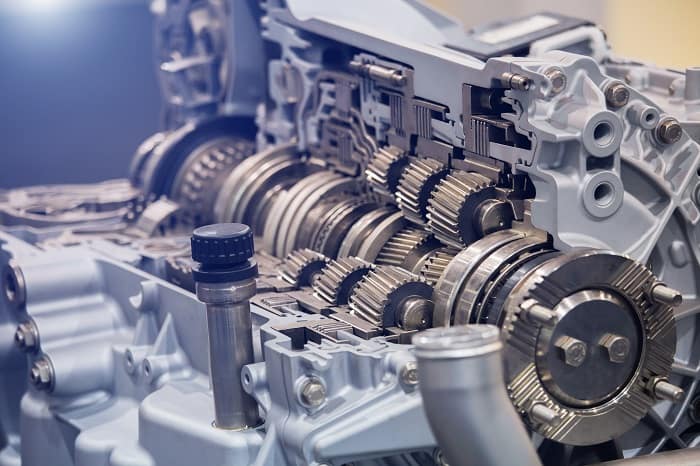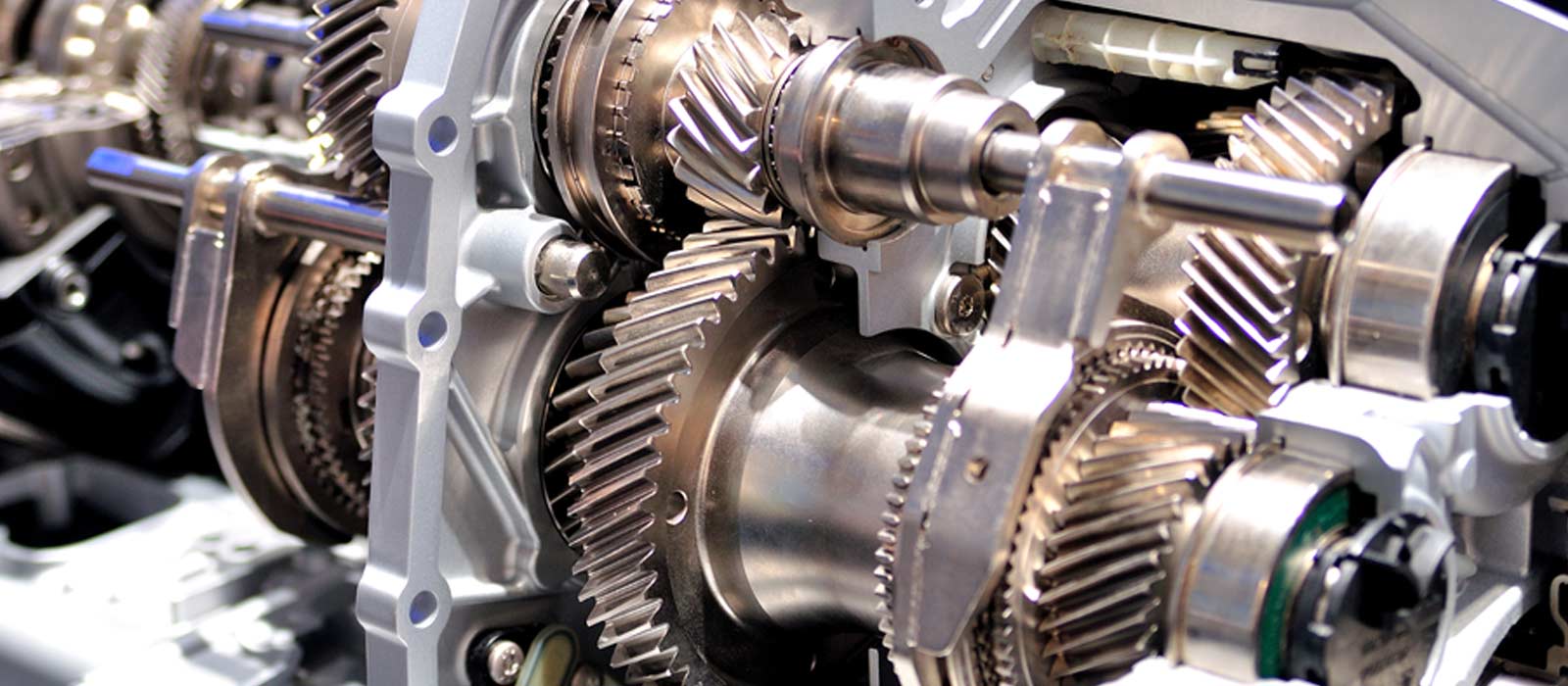



Technological advancements in current generation automotive transmissions, Increasing customer preference for convenience, and premium transmissions are further expected to drive the automotive transmission market. Overall, the changing preferences of buyers, improved standards of living, and focus of OEMs to provide comfort and convenience are also expected to drive the growth of the automotive transmission market.
The Automotive Transmission Market is projected to grow from USD 59.9 billion in 2022 to USD 80.9 billion by 2027, at a CAGR of 6.2% during the forecast period.
Some of the key market players include Asin Corporation (Japan), ZF Friedrichshafen (Germany), Magna International (Canada), Hyundai Transys (South Korea), JATCO (Japan), Aichi Machine Industry Co. Ltd. (Japan), Allison transmissions (US), Vitesco Technologies (Germany), Schaeffler AG (Germany), BorgWarner (US), and GKN Automotive (UK).
Opportunity: Increasing adoption of automatic transmissions and development of hybrid drives
The popularity of automatic cars is on the rise due to the wide adoption of AMT. Better fuel efficiency, worsening traffic conditions, and gradual dispelling of misconceptions about automatic cars have contributed to this trend. Automatic transmission delivers gentle and smooth gear changes, and reduced fuel consumption is delivering additional driving comfort. As drivers can concentrate more on the road and less on driving, the automatic transmission is a safer option than a manual transmission.
An increasing number of electric and hybrid vehicles is also expected to occupy a big share of the manual transmission market. Developments in hybrid automatic transmission technologies to achieve top performances may further erode market share. For instance, in 2019, ZF Friedrichshafen AG designed its new generation 8-speed automatic transmission for hybrid drives. This hybrid system enables mild, full, and plug-in hybrid drives to achieve top performances between 24 kW and 160 kW. ZF will begin manufacturing this 8-speed automatic transmission in Saarbrücken, Germany, by 2022, and launch it in China and the US thereafter.
CVT, by Number of forwarding gears, is estimated to be the fastest-growing automotive transmission market during the forecast period.
The CVT is an automatic transmission that consists of two pulleys connected by a steel belt. The CVT varies the diameter of the "drive pulley" that transmits torque from the engine and the "driven pulley" that sends torque to the wheels at the same time to continually vary gear ratios. The CVT can avoid shift shock and deliver smooth driving thanks to stepless gear ratio shifting, making it an excellent transmission alternative. The growing craze of SUVs worldwide is a good opportunity for automatic transmissions as automatics make city drive hassle-free.
The growing importance of CVT is a great opportunity for transmission manufacturers to increase their market share, as it not only provides better fuel efficiency but also reduces the carbon emissions of a vehicle. This type of transmission is used mainly in hybrid and electric vehicles, the demand for which is on the rise due to the growing concern regarding the environment. Another reason for CVT systems gaining importance among consumers is that it provides higher potential efficiency improvement of ~6% as compared to MT and AT, along with increased savings over a vehicle’s lifetime of up to USD 1,800.
Download PDF Brochure @ https://www.marketsandmarkets.com/pdfdownloadNew.asp?id=1063
The Automatic transmission segment is expected to grow at a high CAGR and expected to become the largest segment of the automotive transmission market during the forecast period
The overall manual transmission market is declining as it is moving toward automated transmission technologies. The demand for fuel-efficient transmission systems and the elimination of the driver’s behavioural impact on the vehicle is creating the demand for automated manual transmissions (AMTs) and automatic transmissions (ATs). An increase in a shift from mechanical to automated driving systems offers a major opportunity for market expansion of advanced transmission technologies.
An automatic transmission system makes use of fluid coupling between the engine and clutch. It also and the same gearbox as that of a manual transmission system. The gear shifting operation is usually performed by using hydraulic or vacuum cylinders. This system is generally also called hydramatic transmission. It contains an epicyclic gear arrangement, a fluid coupling, and a torque converter. In these planetary gears, sets are placed in a series for transmission.
Epicyclic Gearing: It is a gear system consisting of one or more outer gears, or planet gears, revolving around a central gear. Different torque-speed ratios can be obtained by using epicyclic gear. It also compacts the size of a gearbox.
Recent Developments:
- In September 2021, ZF developed The Modular eDrive Kit was displayed at its international debut at IAA 2021, according to ZF. It combines ZF's e-mobility team's whole knowledge into systems solutions, components, and software control in a versatile platform. It improves power density, weight, and efficiency by a large amount. Mechanical losses can be reduced by up to 70% using optimized transmissions, as well as highly efficient cooling and lubrication methods. To do so, ZF depends on its extensive experience in the field of transmissions.
- In March 2021, Within the PHEV Magna’s dedicated hybrid transmission with a 120-kW e-motor is installed at its functional core. The system performs in dynamic driving situations, as well as launch and reverses driving, all in electric mode.
- In February 2021, Eaton announced its Vehicle Group is developed gearing solutions for electrified vehicles (EVs). Leveraging its expertise in producing transmissions and contract manufactured gear-sets for passenger and commercial vehicles
- In October 2020, Vitesco launched the world’s first transmission control system with comprehensive overmolding technology. In comparison with conventional control units, the new product, known as overmolding control electronics, excels with around 45% less weight, greater robustness and significantly fewer production stages.