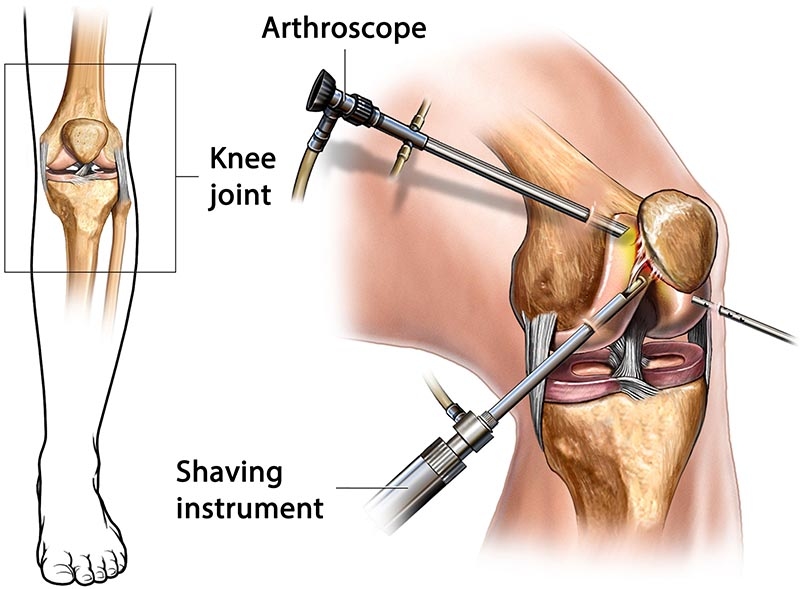
Modern science has gift us many advanced medical treatments to improve the quality of life. Gone were the days when limited options were available to provide treatments. Arthroscopy is one of the best treatment options for diagnosing and treating joint problems. It is easy to locate the best hip arthroscopy surgeons in your area. Today, we discuss how arthroscopy is helping in hip-related problems
.
Arthroscopy for Hip
Arthroscopy for hip was introduced in the late 1980s and early 1990s. It was a remarkable step in the orthopaedic field. Because of the advanced arthroscopic surgical equipment, some hip related problems are treatable without invasive and open procedures.
The procedure helps the surgeon to diagnose the cause of the hip pain and other joint-related issues.
Conditions Need Hip Arthroscopy
Hip impingement is a condition that is treatable with hip arthroscopy. It is the condition that limits the range of motion because of osteoarthritis.
A labral tear is treated with arthroscopy where the torn cartilage is removed without invasive and open procedure.
Dysplasia is a condition in which the hip socket is abnormally shallow. It causes stress on the labrum and makes it susceptible to tearing.
Synovitis is inflammation on tissues. It is treatable with arthroscopy.
The treatment is effective for hip joint infection.
Treatment Advantages
One of the biggest benefits of the treatment is that unlike open procedure it requires a little cut to the site.
Because of the little cut size, the recovery of healing is shorter.
It is generally an outpatient treatment where a patient can return home on the same day of the surgery.
It may help to postpone the advancement of hip arthritis by detecting and treating the early stages.
It can delay or eliminate the need of hip replacement in many cases.
Surgery Planning
Once your orthopaedic surgeon finalises your arthroscopic surgery, he sends you for a thorough examination of the body. It helps identify any problems that can interfere with the procedure.
The treatment is outpatient or an overnight stay considering your health. Before the operation, a local anaesthesia is administered to go to sleep for the operation. Regional anaesthesia can be administered to numb the area. The duration of the procedure can vary depending on the diagnosis. You can discuss with your doctor briefly on the matter.