Half of the habitable land on our planet is mainly for agriculture, but still, we have to experience a scarcity of wholesome foods. Also, continuing deforestation for better traditional farming practices is not the right decision. Instead, the better alternative to consider is hydroponics farming, which offers you several advantages compared to traditional farming practice. There has never been such a pressing time that we need to invest more in food innovation, but hydroponic farming has proved to be the best alternative. Let us discuss a form of hydroponics farming called vertical hydroponics farming carried in vertical hydroponics farms.
What do you mean by Vertical Hydroponics Farming?
The modern techniques are called vertical farming and hydroponics farming to make up vertical hydroponics farming. Hydroponics refers to the growth of plants in a soilless medium by using nutrient-rich water to serve rich and balanced diet options. Furthermore, vertical farming helps save space by using tall structures like skyscrapers to build a farm space in a vertical direction instead of following the conventional horizontal pattern. When the major principles of vertical and hydroponics farming are combined into a single agricultural form, it is referred to as vertical hydroponics farming.
Working on Indoor Vertical Hydroponics Farms
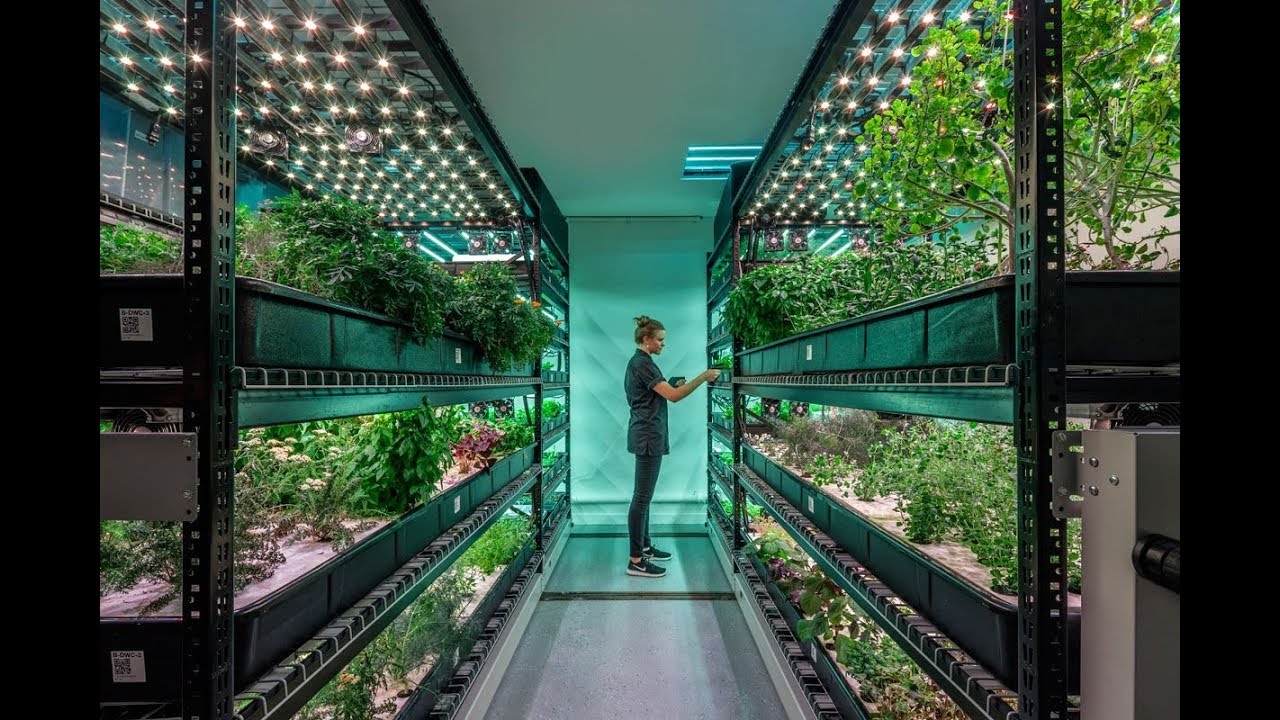
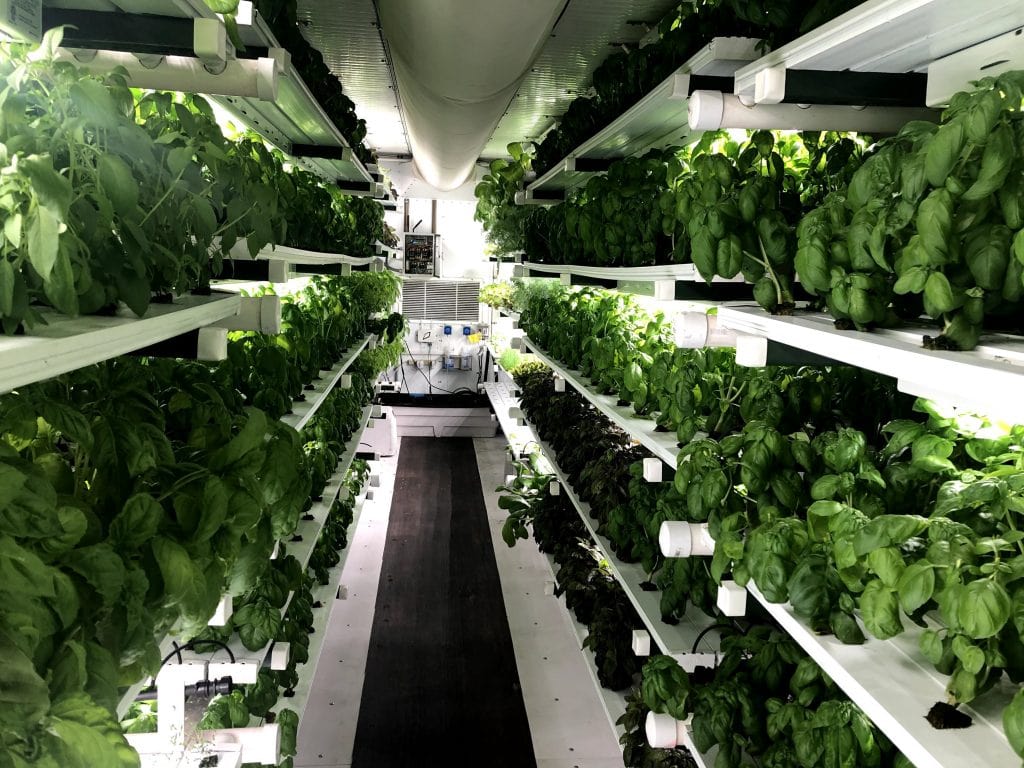
In indoor vertical hydroponics farms, several different farm space layers are stacked on top of one another using other plants that usually grow on different levels. A vertical hydroponics farms system is also referred to as tower hydroponics or tower gardens which are the go-to option if you have been thinking of setting up large farms within the city.
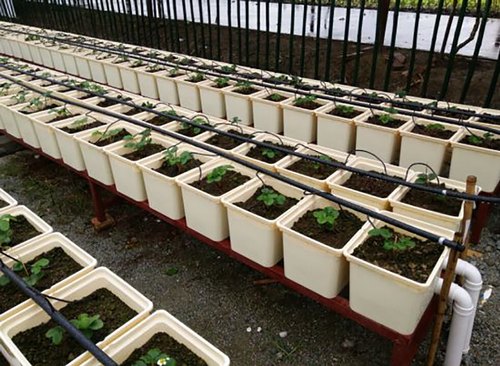
In the vertical hydroponics farm setup, a tube is used to help the differently stacked layers access water supply for continuous growth. The collection of water comes from the reservoir tank set at the bottom of the vertical hydroponics farm tower. A special pump is used to help water make its way to the highest level of the building. The water supply is rich in nutrients to help the plants attain the right kind of nourishment they require for their growth. Before making the water nutrient-rich, the nutrient levels must be carefully monitored to aid the optimal plant growth in indoor vertical hydroponics farms.
Only a single tube is used when the entire indoor vertical hydroponics farm has one kind of crop to be grown because each plant has the exact nutritional requirement. On the other hand, if multiple plants are growing within the vertical hydroponics farms, they need different water channels. Each kind of channel will be used to separate the water source containing the ideal amount of nutrition for the plants. Moreover, this kind of system allows the farmers to regulate water flow based on the type of crop grown on different levels. To make the plants easily absorb water, the plants are placed in the netted pots and set at a 45-degree angle. The 45-degree angle allows the water to easily tap into the plant roots and access the critical parts of the product to nourish the plant sufficiently.
What can you grow in Vertical Hydroponics Farms?
Vertical Hydroponics Farms can accommodate almost every kind of fruit or vegetable that you want. More than 50+ crops can be grown within an indoor vertical hydroponics farm, like leafy greens, micro herbs, peppers, etc. More kinds of crops are:
- Kale
- Spinach
- Butterhead lettuce
- Mint
- Rosamine
- Basil
- Lavender
- Celery
- Cucumber
- Tomatoes
- Strawberries
Vegetables like onion, potatoes and garlic cannot be grown in vertical hydroponics farms as these crops are tubers and grow well in aeroponic farms.
These Benefits of Vertical Hydroponics Farms Will Convince You To Invest in Indoor Vertical Hydroponics Farms
Soilless Agriculture
Any hydroponics farming does not require soil as the growing medium, which is a massive advantage. This feature holds tremendous versatility and makes it easy for the farmers to conduct farming in regions where farming was never imagined.
Gives More Space for Farming
Vertical Hydroponics Farms involves the method of growing crops vertically. This is one of the significant advantages that indoor vertical hydroponics farming helps multiply the existing production values.
Less Amount of Wastage
Like other hydroponics farms, a vertical module is also known for its quality of reducing wastage by still serving better crops. As a result, all kinds of essential resources, including the use of water, are put to their best use.
Vertical Hydroponics Farms - Take Your Farming Methods to New Heights
Traditional farming has been practised since the rise of ancient cultures and civilizations. It helps the species settle in a single location and ends up feeding large sections of the population. But unfortunately, traditional farming is no longer benefiting our planet because of the adverse weather conditions. Therefore it is essential to consider vertical hydroponics farms as soon as possible. Agriplast Protected Cultivation is one of the leading hydroponics systems manufacturers who serve you with quality assistance throughout the process. Agriculture is technical for those who have survived traditional agricultural farming practices. But, we are here to make all the technicalities easy for you by serving you with the appropriate guidance related to polyhouse, greenhouse, hydroponics or even indoor vertical hydroponics farms systems.