






Although it can be frightening to see blood gushing from your nose, most nosebleeds are not severe and can be treated at home. However, some need to be examined by your doctor. For instance, consult your doctor if you frequently experience nosebleeds. Occasionally, nosebleeds begin in the back of the nose. This can be a precursor to other medical issues that need to be looked at.
Let us study the nosebleeds briefly from the blog below.
About Epistaxis
Because of the placement of the nose and the close-to-the-surface location of blood vessels in the nasal lining, nosebleeds (epistaxis) are common. Most nosebleeds may be treated at home; however, some symptoms require a doctor's attention.
Types Of Nosebleeds
The location of the nosebleed serves as a description. There are primarily two kinds, one being more severe than the other.
1. Anterior Nose Bleed
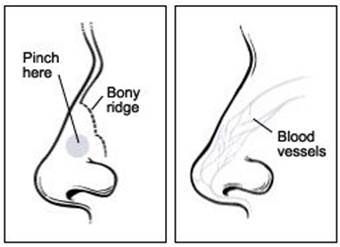
The lower portion of the wall between the two sides of the nose, in the front of the nose, is where an anterior nosebleed first appears (called the septum). The capillaries and tiny blood vessels near the front of the nose are delicate and are prone to breaking and bleeding.
2. Posterior Nose Bleed
A posterior nosebleed takes place deep inside the nose. A hemorrhage in larger blood arteries in the back of the nose, close to the neck, is what's causing this nosebleed. An anterior nosebleed may not be as dangerous as this one.
Causes Of Nosebleed
Numerous tiny, sensitive blood veins can quickly become damaged and bleed inside your nose. Some typical reasons for nosebleeds include:
- Rubbing one's nose
- Blowing your nose vigorously, suffering a minor nasal injury, or experiencing a change in temperature or humidity that causes the inside of your nose to become dry and cracked.
- On rare occasions, bleeding may originate from the deeper blood vessels in the nose. This can be caused by a blow to the head, recent nose surgery, or hardened arteries (atherosclerosis).
Diagnosis
A case of nose bleeding must go through three steps to get a confirmatory cause-of-bleeding diagnosis.
History
While looking for the correct diagnosis, look around for the following questions from the patient.
- Which side of the body is bleeding?
- If bleeding occurs from both nasal canals, which side is the worst?
- The patient is questioned about any signs of posterior nasal bleeding, such as bloody coughing or bloody, coffee-colored vomiting.
- Inquire about antecedents, such as injury, acute infection, nasal sprays and drops, and surgery.
- How much and for how long is the bleeding?
- Any risk factors, if any, such as hypertension, leukemia, hemophilia, purpura, congestive heart failure, renal failure, and liver dysfunction, as well as any drugs for these conditions?
- Is the patient on any medications, such as large dosages of vitamin E, Ecospirin, aspirin, warfarin, heparin, NSAIDs (ibuprofen), or antiplatelet drugs?
- What treatment was administered in the past when bleeding occurred?
Examination
Vital signs, a thorough ear, nose, and throat exam, general characteristics, and a systemic examination should all be included in the assessment. The examination is frequently treatment-focused, so the doctor looks for the source and location of bleeding. The patient and the nasal examination are made comfortable by local anesthesia (4% xylocaine), decongestants (oxymetazoline or xylometazoline), and light sedation. Clots must be removed using forceps and suction. Asking the patient to blow their nose or cough can help clear their throat and nose by expelling big clots. If the patient is actively bleeding while the physical examination is being performed, vital signs and the patient's mental state need to be monitored constantly. A general anesthetic evaluation may be necessary for some individuals.
At The End
Most nosebleeds are not serious, but frequent or severe nosebleeds should be investigated, including high blood pressure or blood coagulation disease. Anemia, for instance, might develop due to excessive bleeding. It is advisable to visit the doctor for corrective treatment.



Turmeric is an excellent herb that can be used for a variety of health issues.
It is one of the most commonly used remedies for bleeding nose.
Because it has a strong anti-inflammatory effect, it helps to reduce swelling and pain.
There are also some other benefits to be had from turmerics such as reducing inflammation of the joints and muscles.
Ginger also provides this same benefit for those suffering from colds, flu, and other illness.

Most nosebleeds aren't serious and will stop on their own or by following self-care steps.
Seek emergency medical care if nosebleeds: Follow an injury, such as a car accident.
Involve a greater than expected amount of blood.Click Here....