


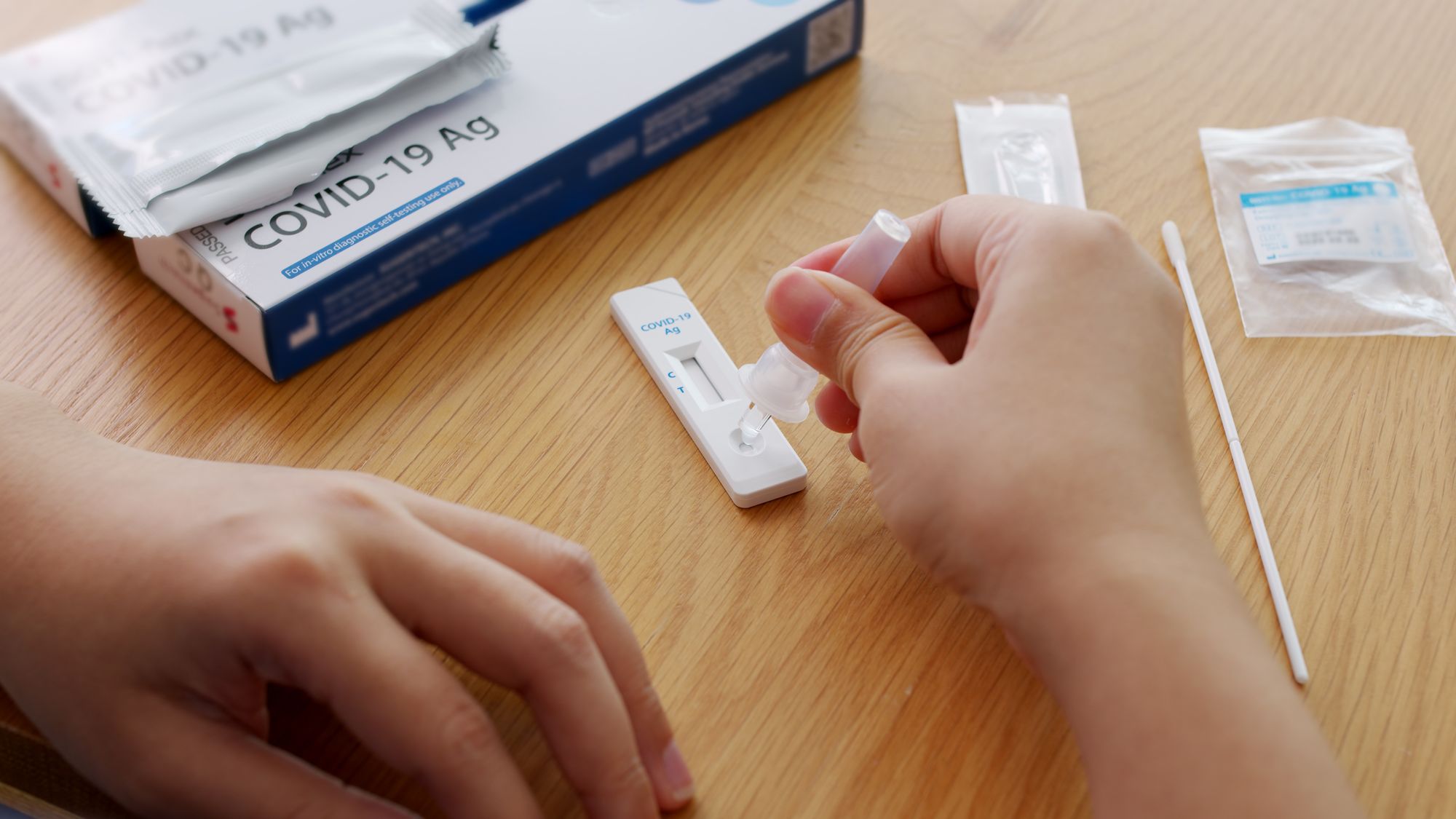
Technology has evolved so that certain pathologies can be detected with tests that the patient does at home. Do you know the role you can have as a pharmacist in these cases and how to help your patients?
For a long time, so-called self-diagnostic tests have been sold in pharmacies, such as those that allow detecting pregnancy, blood glucose or fertile days. Technology is advancing so that many simple tests can be done by patients from the comfort of their own homes.
How are self-diagnostic tests defined?
Self -diagnostic tests define self-diagnostic products as those that are intended by the manufacturer to be used by laymen in the home.
Self-diagnostic products should be designed and manufactured based on two principles:
Must be used for the intended purpose
They cannot compromise the clinical condition or the safety of the patient, other people or property.
With them it is possible to know if a person is infected with HIV through a self-diagnosis test that can be done at home. This is a great advance that can help treat the disease as soon as possible, prevent it from progressing and being transmitted.
It should be noted that self-diagnosis products can only be sold to the public through pharmacies. In order for a patient to buy this type of product, the corresponding medical prescription will be necessary, except in the cases of products for diagnosing pregnancy, fertility or blood glucose. This is where you can discover a new market niche, such as the market niche for childcare and pregnancy.
What role does the pharmacist play in self-diagnostic tests?
The pharmacist has the role of advising the patient on the use of self-diagnostic tests to ensure that they are used correctly and resolve any questions that the patient may have in order to avoid errors.
On the other hand, the pharmacist will be able to use these tests as a means to find out if certain diseases exist and refer the patient to a specialist. Therefore, the pharmacist must know in depth how to use self-diagnostic tests and the pathologies that are detected in order to help their patients to make good use of them.
In addition, in order to execute care accurately, it is important to develop protocols for the pharmacy that establish the steps to follow, so that all pharmacy personnel act under the same standards and achieve:
· Offer patients correct and explained information in a simple and accessible way.
· Select people who have a risk of suffering from certain pathologies.
· Carry out awareness campaigns for the correct use of self-diagnostic tests.
· Accompany patients throughout the process, from the purchase of the product, to its use and to the decision regarding the result.
· Quickly coordinate action with other healthcare professionals to always safeguard the patient's health.
· Refer the patient to the appropriate specialist to complete the diagnostic tests, detect the pathology and start the necessary treatment.
As you can see, your role can be essential to always support your patients. It is important that they feel confident that they carry out the self-diagnostic tests correctly and that they see that they are correctly advised at all times.




Pharmacist Jobs - Hiring pharmacy staff has never been easier Our professional expertise saves you time, money and stress As a pharmacist owned.