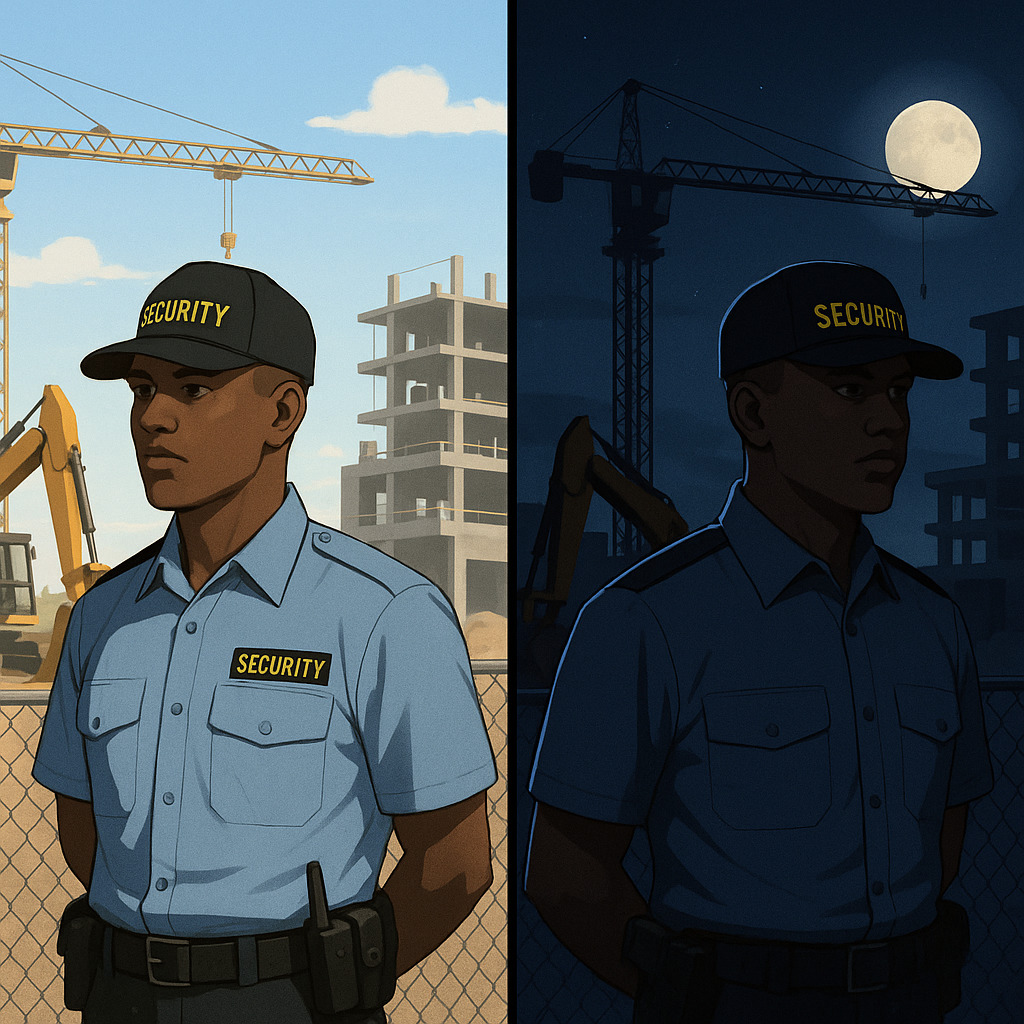


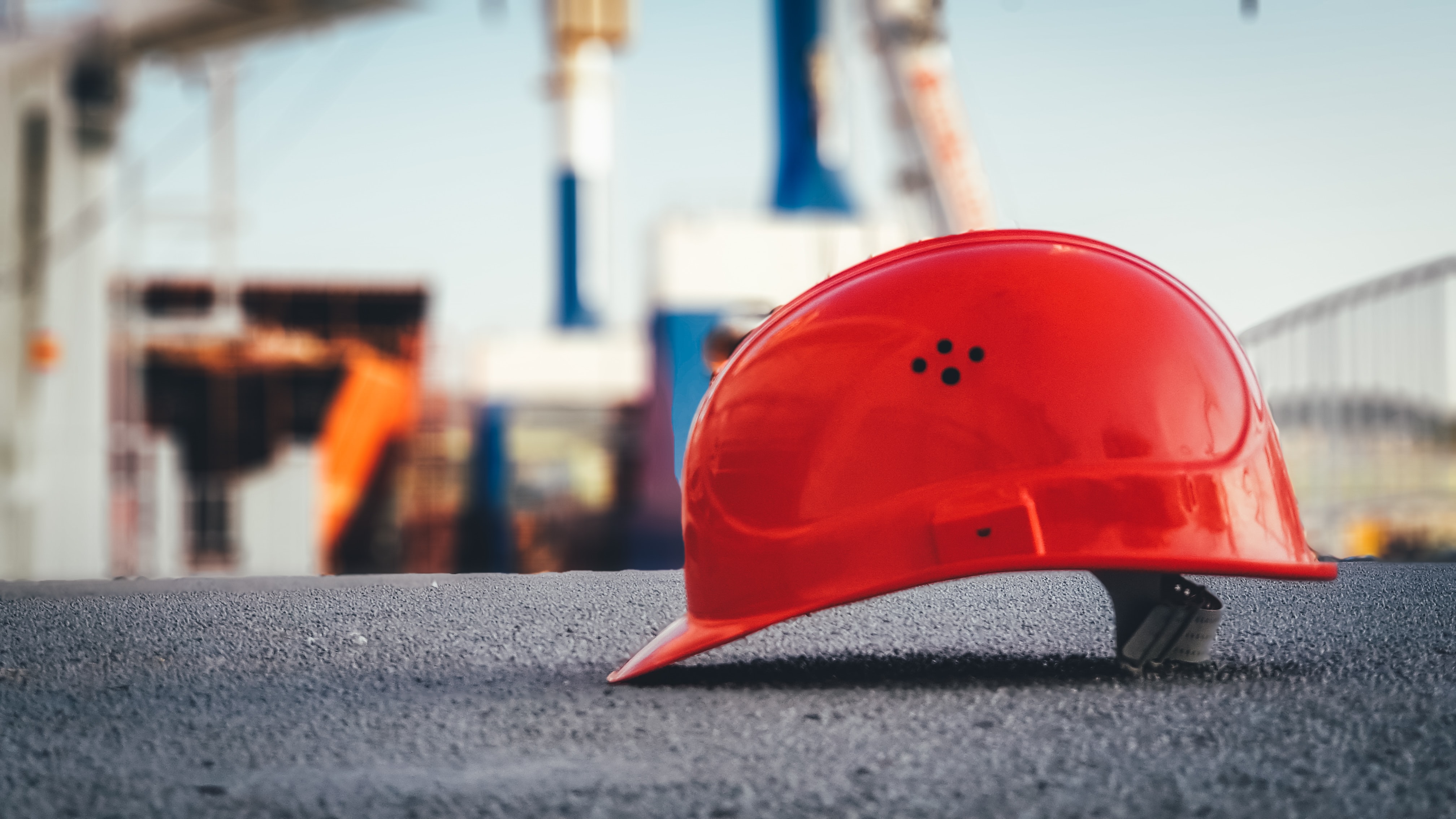
When it comes to construction sites, safety is paramount. Due to the sheer amount of potential hazards, workers and employees have a responsibility to safeguard the well-being of themselves and fellow workers. Fostering a culture of safety and accountability ensures a functional, efficient worksite.
Wear The Correct PPE
Personal Protective Equipment (PPE) is designed to minimise exposure to work-related health and safety risks - for construction sites; this might include hard hats, gloves and eye protection. It is the responsibility of the employers to provide suitable PPE to all employees, and failure to do so may be considered gross misconduct. Once provided, it is the responsibility of management to ensure employees wear the appropriate PPE at all times.
Keep The Environment Tidy
Trip and fall hazards are rife on construction sites due to the amount of mess that is invariably accumulated. Obstructions, spills and debris should be removed as soon as they are discovered. Keep walkways, stairs and work areas clear and free from obstructions by tidying as you go. Ensure the correct designated areas are used for waste and store materials according to company guidelines.
Provide Inductions
Every workplace should offer inductions to new employees, particularly concerning construction site environments. Inductions provide vital information regarding company policies, so employees can better understand the organisation and their role within. Furthermore, inductions help to alleviate any anxiety new employees may be experiencing, offering familiarity and helping them to settle in - this promotes excellent workplace morale and a positive, productive workforce.
Establish A Health And Safety Policy
A health and safety policy is not only a moral obligation; it is a legal requirement. Every business, regardless of industry, should have a robust health and safety policy that maps out the company’s general approach to health and safety. A detailed policy explains how the employer handles risks, incidents and safety standards in the workplace, promoting strong safety performance and compliance.
Use The Correct Signage
Directional and wayfinding signage is legally required on all construction sites worldwide. They include warning signs, mandatory signs, prohibition signs, safe condition signs and fire equipment signs. These signs are necessary to ensure compliance with guidelines and to alert employees of hazards. Construction site warning signage also helps to protect passing pedestrians by alerting them to the current work and protecting the organisation legally.
Establish Egress Plans
In the event of an emergency such as a fire, getting employees to a place of safety should be a top priority - this begins with finding the safest route(s) of egress possible. Every construction site requires access and egress plans to show occupied areas and routes for exiting the site. Additionally, a construction traffic management plan (CTMP) should be established to ensure vehicles, employees and pedestrians using site routes can move around safely. A CTMP maps out safe, efficient vehicle access and egress routes to minimise construction impacts.
Never Work In Unsafe Conditions
Members of both management and employees should be constantly aware of their working conditions and make informed decisions as to whether or not an environment is safe. Unsafe conditions include a lack of fall protection, improper labelling of hazardous materials, unprotected trenches and more. Employees have the right to work in environments where risks to their health and safety are correctly controlled and eliminated.
Carry Out Risk Assessments
A risk assessment is the process of identifying and analysing potential hazards that currently exist or may appear in the workplace. Once analysed, hazards can be sufficiently controlled or eliminated to ensure the safety of all involved parties. Findings are usually recorded so regular follow-up reviews can be undertaken. Most employers appoint a designated officer to conduct a general assessment, identifying the key risks and control measures. Furthermore, accidents and near-miss incidents should be similarly recorded to help develop solutions to other potential hazards.
Use Fully Functional Equipment
The use of faulty equipment can end in disaster. Employees should never tamper with machinery without authorisation, and defective equipment should only be fixed by the appointed professionals. Outdoor construction sites are often at the mercy of the elements, which may cause equipment to deteriorate. Therefore, regular inspections and maintenance work should be carried out by a qualified engineer to ensure quality and reliability.
Resources: