





Micropipettes are small, precise instruments that are widely used in laboratories to transfer small volumes of liquids. They are essential tools in many scientific and medical applications, including molecular biology, biochemistry, and drug discovery. Several factors can affect the size of micropipettes, including the volume of liquid that needs to be transferred, the precision required, and the properties of the liquids being handled.
One of the most important factors affecting micropipette size is the volume of liquid that needs to be transferred. Micropipettes are available in a range of sizes, with the smallest models capable of transferring as little as 0.1 microliters (μL) of liquid and the largest models able to transfer up to 10 milliliters (mL). The size of the micropipette needed will depend on the volume of liquid being handled and the precision required. For example, if a large volume of liquid needs to be transferred with low precision, a larger micropipette may be used. On the other hand, if a small volume of liquid needs to be transferred with high precision, a smaller micropipette may be necessary.
Another factor that can affect micropipette size is the type of liquid being handled. Different types of liquids have different properties, such as viscosity and surface tension, which can affect the ease with which they can be transferred using a micropipette. For example, highly viscous liquids, such as syrups, may require larger micropipettes to facilitate their transfer, while less viscous liquids, such as water, may be more easily transferred using smaller micropipettes. Additionally, some liquids may be prone to foaming or bubbling when transferred using a micropipette, which can also affect the size of the micropipette needed.
In addition to the volume of liquid being transferred and the properties of the liquid itself, the precision required can also influence the size of the micropipette needed. Micropipettes are available in a range of precision levels, with some models being able to accurately transfer small volumes of liquid within 0.1% of the target volume, while others are less precise. The precision required will depend on the specific application and the level of accuracy needed. For example, in some cases, such as when performing quantitative analyses or preparing samples for high-resolution imaging, high precision may be necessary, while in other cases, such as when transferring large volumes of liquid for general use, lower precision may be sufficient.
Other factors that can affect micropipette size include the size of the container or well in which the liquid is being transferred, the type of tip being used, and the overall design and construction of the micropipette.
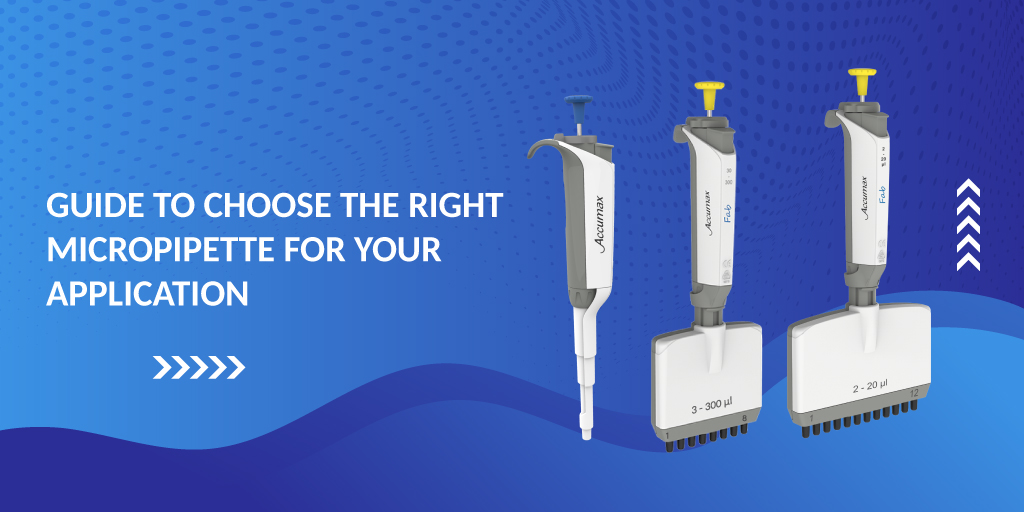
For example, some micropipettes are designed with long, slender tips that are well-suited for reaching into small or narrow containers, while others are designed with shorter, wider tips that are better suited for transferring larger volumes of liquid. Additionally, some micropipettes are designed with ergonomic grips and other features to make them easier to handle and use, while others are more basic in their design.
In conclusion, several factors can affect the size of micropipettes, including the volume of liquid being transferred, the properties of the liquid itself, the precision required, the size of the container or well, the type of tip being used, and the overall design and construction of the micropipette. By considering these factors, researchers and scientists can choose the appropriate size of micropipette for their specific needs and applications. Microlit is the best place to look for different micropipette sizes at a very affordable price. For the best deals, contact us now!


Global Micropipette Market Research Report - Industry Analysis, Size, Share, Growth, Trends and Forecast Till 2027 – DecisionDatabases.comThe comprehensive value chain analysis of the market will assist in attaining better product differentiation, along with detailed understanding of the core competency of each activityinvolved.
The market attractiveness analysis provided in the report aptly measures the potential value of the market providing business strategists with the latest growth opportunities.The report classifies the market into different segments based on type, design, mode of operation, volume, sizes and end-user.
These segments are studied in detail incorporating the market estimates and forecasts at regional and country level.
The segment analysis is useful in understanding the growth areas and probable opportunities of the market.Final Report will cover the impact of COVID-19 on this industry.
Download Free Sample Report of Global Micropipette Market @ https://www.decisiondatabases.com/contact/download-sample-1289The report also covers the complete competitive landscape of the Global Micropipette market with company profiles of key players such as:BrandTech Scientific, Inc.Eppendorf AGCapp ApSGilson, Inc.Hamilton CompanyDrummond Scientific CompanyMerck KGaAHeathrow ScientificINTEGRA Biosciences AGThermo Fisher Scientific Inc.A detailed description of each has been included, with information in terms of H.Q, future capacities, key mergers & acquisitions, financial overview, partnerships, collaborations, new product launches, new product developments and other latest industrial developments.SEGMENTATIONS IN THE REPORT:By TypeSingle Channel MicropipettesMultiple Channel MicropipettesBy DesignDisplacement MicropipettesPositive Displacement MicropipettesBy Mode of OperationManual ModeElectronic ModeBy VolumeFixed Volume MicropipettesVariable Volume MicropipettesBy SizesP2P10P20P100P200P1000By End-UserHospitalsDiagnostics CentersClinical Research OrganizationsBlood BanksPharmaceuticalChemical and Biotechnology BompaniesAcademic and Research InstitutesBy Geography:North America (NA) – US, Canada & Rest of North AmericaEurope (EU) – UK, Germany, France & Rest of EuropeAsia Pacific (APAC) – China, Japan, India & Rest of APACLatin America (LA) – Brazil & Rest of Latin AmericaMiddle East (MEA) – Middle East and AfricaBrowse the complete Global Micropipette Market Research Report – Industry Analysis, Size, Share, Growth, Trends and Forecast Till 2027 @ https://www.decisiondatabases.com/ip/1289-micropipette-market-reportThe Global Micropipette Market has been exhibited in detail in the following chapters –Chapter 1 Micropipette Market PrefaceChapter 2 Executive SummaryChapter 3 Micropipette Industry AnalysisChapter 4 Micropipette Market Value Chain AnalysisChapter 5 Micropipette Market Analysis By TypeChapter 6 Micropipette Market Analysis By DesignChapter 7 Micropipette Market Analysis By Mode of OperationChapter 8 Micropipette Market Analysis By VolumeChapter 9 Micropipette Market Analysis By SizesChapter 10 Micropipette Market Analysis By End-UserChapter 11 Micropipette Market Analysis By GeographyChapter 12 Competitive Landscape Of Micropipette CompaniesChapter 13 Company Profiles Of Micropipette Industry Purchase the complete Global Micropipette Market Research Report @ https://www.decisiondatabases.com/contact/buy-now-1289Other Reports by DecisionDatabases.com:Global Laboratory Glassware and Plasticware Market Research Report – Industry Analysis, Size, Share, Growth, Trends and Forecast Till 2027Global Laboratory Software Market Research Report – Industry Analysis, Size, Share, Growth, Trends and Forecast Till 2027 Global Laboratory Evaporator Market Research Report – Industry Analysis, Size, Share, Growth, Trends and Forecast Till 2026About-Us:DecisionDatabases.com is a global business research reports provider, enriching decision makers and strategists with qualitative statistics.
DecisionDatabases.com is proficient in providing syndicated research report, customized research reports, company profiles and industry databases across multiple domains.Our expert research analysts have been trained to map client’s research requirements to the correct research resource leading to a distinctive edge over its competitors.