


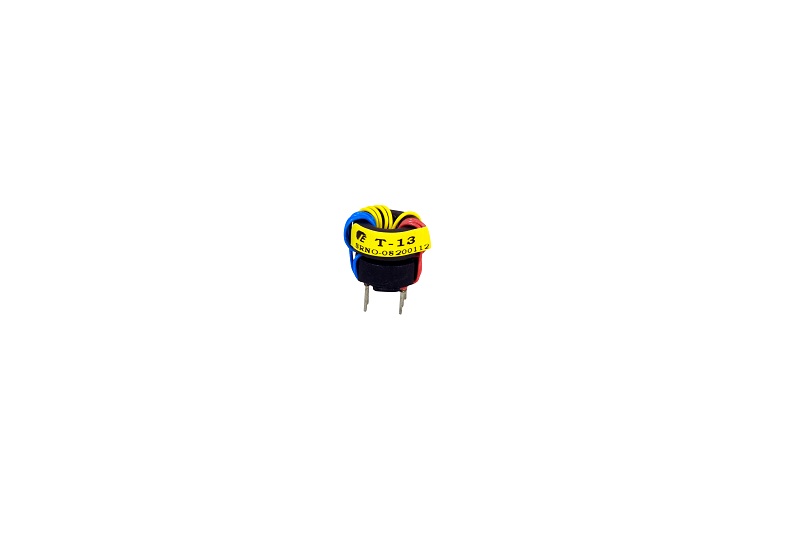
What is Toroidal Transformer used for
A toroidal transformer is a type of transformer that is designed in the shape of a torus (a doughnut-like shape). This design allows for a more compact and efficient transformer as the magnetic field is contained within the toroidal shape. They are commonly used in power supplies for electronic devices, such as audio equipment, and in welding equipment.
What is Difference between Toroidal Transformer and normal Transformer
The main difference between a toroidal transformer and a normal transformer is their physical shape and construction. A normal transformer, also known as a laminated transformer, typically has a cylindrical core made of stacked sheets of laminated electrical steel. The windings, or coils of wire, are wrapped around the core. A toroidal transformer, on the other hand, has a core that is shaped like a torus (a doughnut-like shape) and the windings are wrapped around the circumference of the core.
This difference in shape and construction results in several differences in performance and characteristics:
- Toroidal transformers are generally more efficient than laminated transformers because the magnetic field is confined within the toroidal shape, reducing energy loss.
- Toroidal transformers are typically smaller and lighter than laminated transformers of the same power rating.
- Toroidal transformers have lower electromagnetic interference (EMI) and radio frequency interference (RFI) than laminated transformers because the magnetic field is contained within the core.
- Toroidal transformer are more expensive than laminated transformer due to their complex manufacturing process.
Overall, toroidal transformers are preferred in applications where size, weight, and electromagnetic interference are major concerns, such as audio equipment and other electronic devices.
What are the Disadvantages of toroidal transformer
There are a few disadvantages of toroidal transformers compared to traditional laminated transformers:
Cost: Toroidal transformers are typically more expensive to manufacture than laminated transformers due to the more complex and labor-intensive process of winding the wire around the toroidal core.
Availability: Toroidal transformers are not as widely available as laminated transformers, and they may be harder to find in certain areas or for certain power ratings.
Repairs: Toroidal transformers can be difficult to repair if they become damaged, as the wire windings are tightly wound around the toroidal core. This can make repairs more difficult and expensive.
Customization: Toroidal transformers are not as easy to customize as laminated transformer. It's harder to vary the number of turns, for example, and it's harder to change the primary and secondary voltage ratio.
Weight: Toroidal transformers may be relatively heavier than laminated transformer of the same power rating, this may be a disadvantage in some application where weight is a major concern.
Noise: Toroidal transformer can generate more noise than laminated transformer, due to the vibration of the core, this may be a disadvantage in some application where noise is a major concern.
Overall, toroidal transformers are generally considered to be high-quality and highly efficient, but they may not be the best choice for every application due to the disadvantages mentioned above.
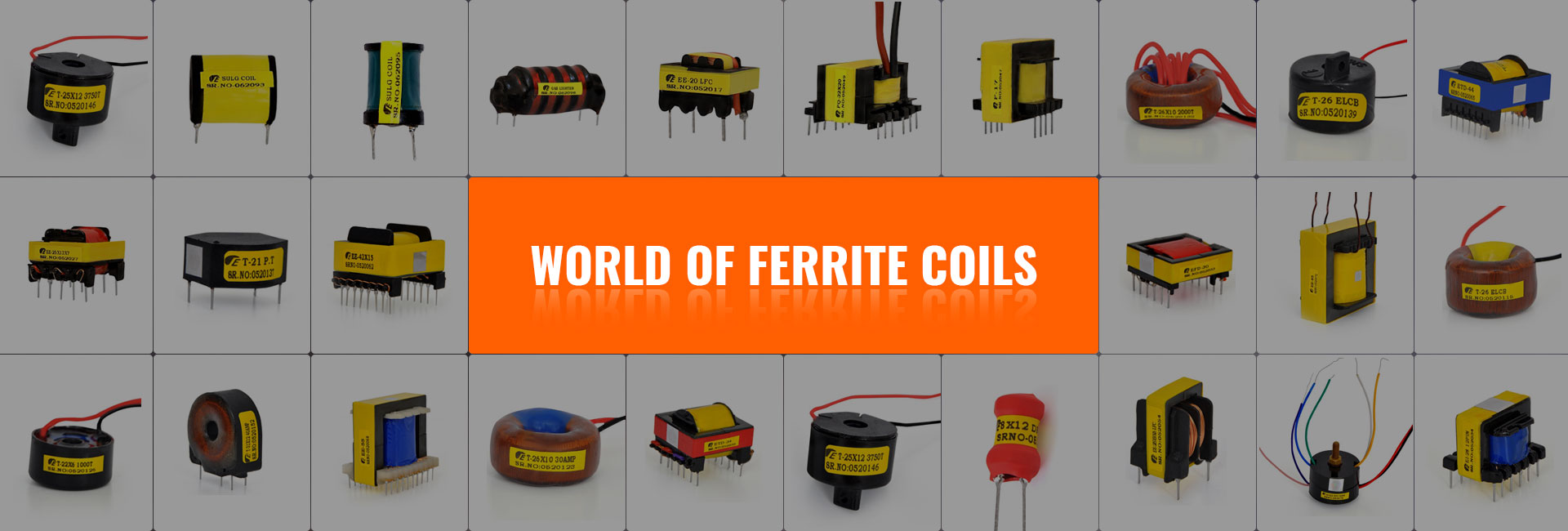
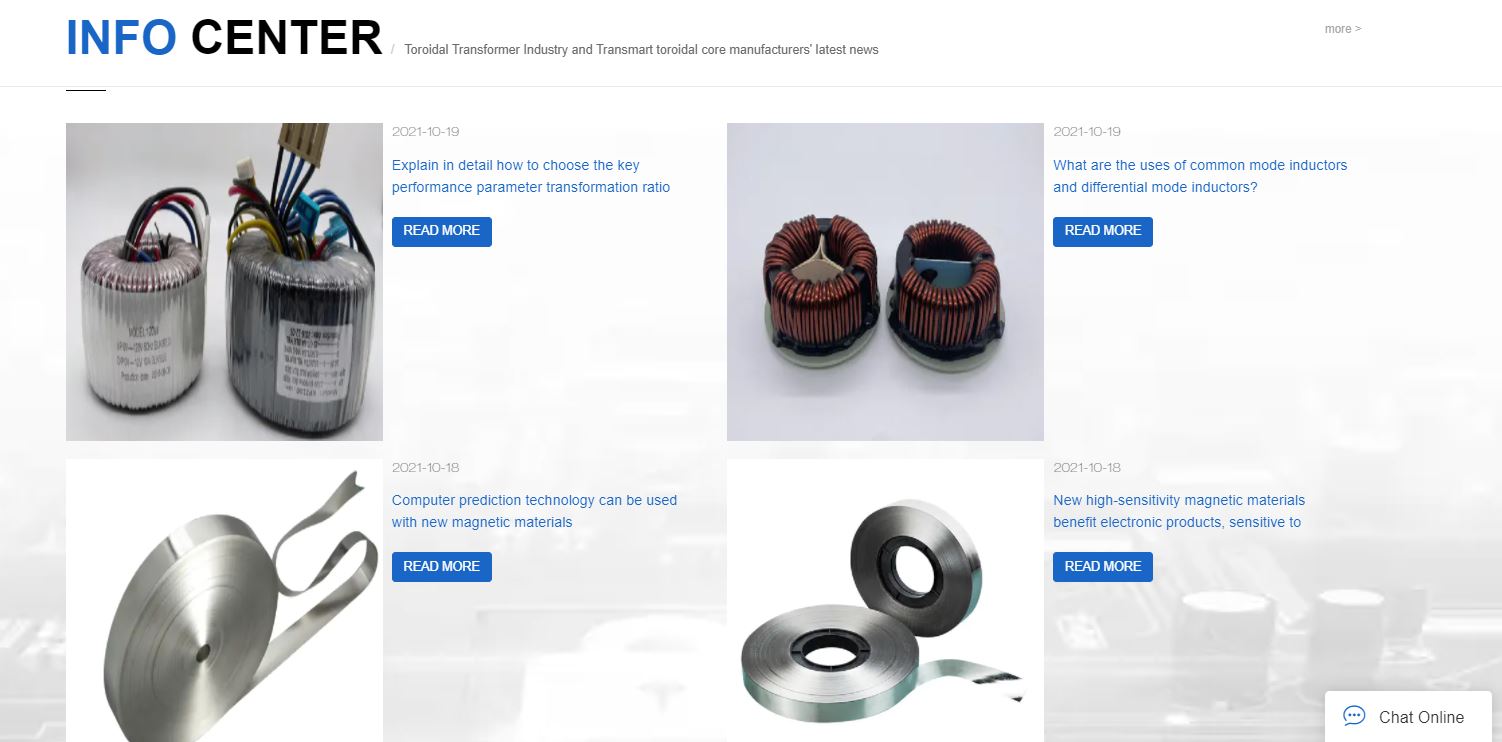
Transmart Industrial Limited is a professional manufacturer of high quality transformer cores and chokes, supplying soft magnetic materials, soft magnetic cores, electrical and electronic components as well as other materials for transformers and associated industries.Transmart is an export oriented company with customers located in 50+ countries.
Most of our customers come from Europe and North America.
We supply high quality tape wound cores in Nanocrystalline, Amorphous and Silicon Steels.
Product applications including Common mode chokes ,Hall Effect Current Sensors, Low Voltage and Medium Voltage instrument transformers, Earth Leakage Circuit Breakers ,Reactors, Inductors etc.
We position ourselves as solution provider, with our experience and strength in materials, magnetic cores and components to help our clients to solve their problemsSoft Magnetic MaterialsNanocrystalline CoresAmorphous CoresSilicon Steel CoresMumetal CoresElectronic Transformers Transmart core manufacturers serving customers from 40+ countries in Automotive and Industrial fields in providing custom Nanocrystalline core ,Toroidal core, Silicon steel core, Transformer cores and Soft magnetic materials.
Also nanocrystalline core and amorphous core, Transmart Soft magnetic materials is one of Transmart Industrial's multiple product series.
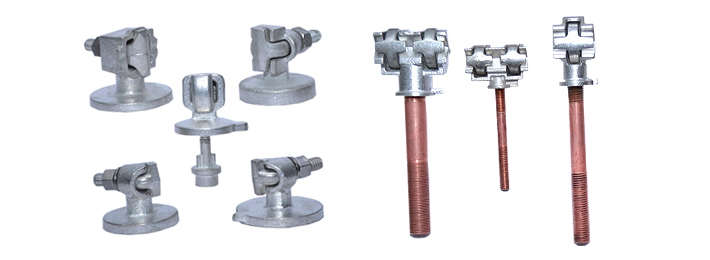
Exporters of Transformer Connectors, Single Phase Transformer Connectors, Pad Mounted Transformer Secondary Connectors, Transformer Components, Bushings