





Plasma fibroblast and microneedling are powerful cosmetic procedures that treat wrinkles and saggy skin. Both treatments work by stimulating collagen production in the targeted area, thereby improving skin elasticity.
What makes these two procedures so sought-after in the beauty industry is their minimally-invasive nature and little downtime compared to other rejuvenation treatments.
Knowing that both treatments offer wonderful results, it can be confusing to decide which is the best option. Despite sharing similarities, certain factors tend to set the two procedures apart. In order to help you make up your mind, this article will highlight some of the key differences to assist you in making an informed decision.
Plasma Fibroblast – An Overview
Plasma fibroblast treatment is a non-invasive procedure where a high-frequency electrical current is used to create a combustible charge around the targeted area. The heat caused by the combustion results in micro-injuries that trigger collagen production in the cells.
In simpler words, plasma pen therapy works by creating controlled burns for rejuvenating and tightening the skin.
Microneedling – An Overview
Microneedling is a minimally-invasive treatment where tiny sterilised needles are used to prick the skin and cause micro-injuries. In the case of fine lines, the needles are usually pushed about 1 mm deep inside the skin, while deeper wrinkles and scars require the depth to be at least 1.5 to 2 mm.
The outcome of these wounds is increased elastin and collagen production in the body, which helps tighten, heal and revitalise the skin.
Plasma Fibroblast and Microneedling – Key Differences
While plasma fibroblast and microneedling apply the same principle of creating small and controlled skin injuries for increased collagen and elastin production, there are several differences that must be taken into account to determine which procedure is right for you. Let’s take a closer look at some of these differences.
Targeted Conditions
Microneedling is best for treating fine lines, acne, injury scars, shallow wrinkles and large pores. Plasma fibroblast is better suited to more complex and deeper skin issues such as crow’s feet, eyelift hooding, benign lesion removal and jawline laxity, but it can be used to address simpler problems as well.
Plasma pen therapy is incredible for both complex and shallow skin conditions and offers excellent skin-tightening results. It can also be used for removing skin tags.
Procedure Time
One session of microneedling will take about 10-20 minutes, depending on the area being treated. Plasma fibroblast, on the other hand, will take around 30 to 60 minutes per session. Again, the exact time will depend on the size of the targeted area.
Treatment Outcome
After undergoing a plasma fibroblast procedure, the final results will be visible after the targeted area has completely healed, which usually takes about six to eight weeks. The results are expected to last for at least three years or longer with proper maintenance.
When it comes to microneedling, the results will show in about three to four weeks after the session and will last for around three to five months. It is recommended to schedule at least two or three sessions per year to maintain the best results.
While both procedures require more than one session to obtain the desired results, microneedling will need more sessions than plasma pen therapy.
Recovery & Safety
While both treatments are safe and FDA-approved, there are certain risks associated with either procedure. Improper care during recovery can trigger an infection around the treated area. Scabbing, swelling and slight discomfort are common side effects of both treatments, but this will fade after a couple of days.
In terms of recovery, microneedling has a small downtime of about one to three days. Plasma pen therapy will take longer to heal, usually about six to eight weeks.
Which Procedure Is Right for You?
Microneedling is relatively more affordable, demanding a shorter procedure and recovery time than plasma fibroblast Melbourne. However, clients have to commit to several sessions of microneedling to get the desired results, which usually last for around five months.
When it comes to plasma fibroblast, it can be more expensive with a longer recovery period. However, the results will last for a couple of years. Furthermore, most clients can achieve the desired results in only one or two sessions. Plasma pen therapy is ideal for treating deeper and more complex skin issues, particularly deep wrinkles and sagging skin.
The ultimate decision will boil down to your needs and preferences. After considering every aspect, plasma therapy appears to be a better investment because the results are more noticeable and long-lasting.
Final Thoughts
Of course, plasma pen therapy and microneedling aren’t the only solutions for fine lines, wrinkles and loose skin. Many alternative procedures are available on the market, including injectables, chemical peels, laser resurfacing and thread lifts. However, it’s best to talk to a certified professional regarding the different procedures before making a decision.
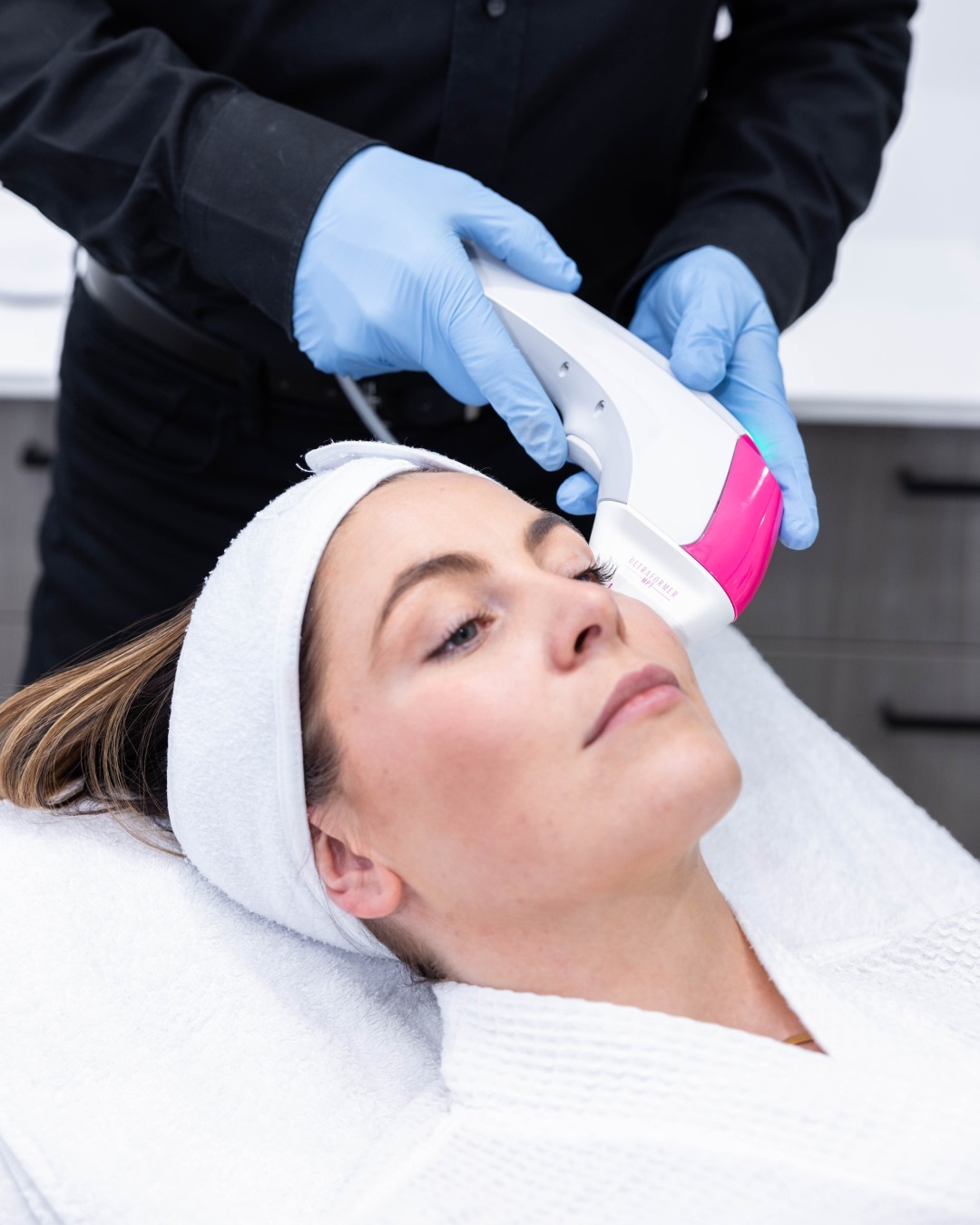





Plasma fibroblast training, a cosmetic treatment using plasa to reduce the volume of excess skin and wrinkles.
Fibroblast is an absolute revolutionary procedure which requires zero surgery.