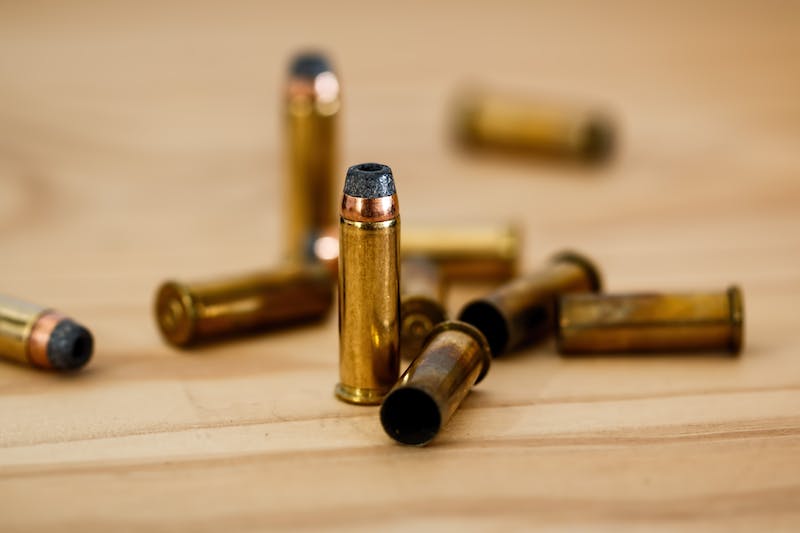
Ammunition is an essential component of firearms and proper storage and cleaning of ammunition is important for both safety and performance reasons. In this article, we will provide information on how to properly store and clean your ammunition to ensure that it remains in good condition and is ready for use when needed.
Storing Ammunition
Proper storage of ammo is crucial to ensure that it remains in good condition and is ready for use when needed. There are several key factors to consider when storing ammunition, including temperature, humidity, and storage containers.
Temperature: Extreme temperatures can have a negative impact on the performance and safety of ammunition. High temperatures can cause the propellant in the ammunition to become unstable and increase the risk of a catastrophic failure when fired. On the other hand, low temperatures can cause the ammunition to become brittle and may cause the bullet or casing to break when fired. To minimize these risks, ammunition should be stored in a temperature-controlled environment with a temperature range of between 50°F and 70°F.
Humidity: High humidity can cause corrosion on the surface of the ammunition and can also cause the propellant to absorb moisture, which can lead to misfires. To minimize these risks, ammunition should be stored in a low humidity environment with a relative humidity range of between 40% and 60%.
Storage Containers: Proper storage containers can also play a key role in ensuring that your ammunition remains in good condition. The best option is to use a sealed container, such as a plastic or metal box, to protect the ammunition from moisture and dust. Additionally, it is important to store ammunition in a secure location to prevent unauthorized access.
Cleaning Ammunition
Proper cleaning of ammunition is important to ensure that it remains in good condition and is ready for use when needed. There are several key steps to cleaning ammunition, including inspecting, cleaning, and lubricating the casing and bullet.
Inspecting: Before cleaning your ammunition, it is important to inspect each round to ensure that it is in good condition. This can include checking for dents or cracks in the casing, ensuring that the primer and bullet are properly seated, and examining the powder charge for any signs of moisture or corrosion. Any rounds that are damaged or in poor condition should be discarded.
Cleaning: After inspection, it is important to clean the casing and bullet to remove any dirt, debris, or residue that may have accumulated on the surface. This can be done using a cleaning solution and a soft-bristled brush to gently scrub the surface of the casing and bullet. It is important to avoid using abrasive materials or excessive force, as this can cause damage to the casing or bullet.
Lubricating: After cleaning, it is important to lubricate the casing and bullet to prevent rust and corrosion from forming on the surface. This can be done using a high-quality lubricant specifically designed for use with ammunition. It is important to apply a thin, even layer of lubricant to the surface of the casing and bullet, avoiding excess that could attract dust or debris.
Conclusion
Proper storage and cleaning of ammunition is important for both safety and performance reasons. By following the tips outlined in this article, you can help to ensure that your ammunition remains in good condition and is ready for use when needed. Whether you are a hunter, recreational shooter, or military or law enforcement professional, taking the time to properly store and clean your ammunition is an essential part of firearm ownership and use.


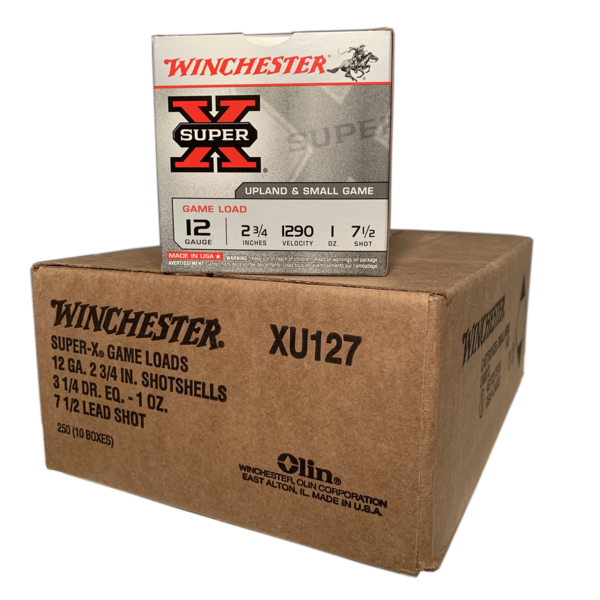
All ammunition, whether it’s for a shotgun, rifle, pistol, or revolver, has a few basic parts.
These parts involve the powder, case, primer, and projectile.
Shotgun shells make the use of a distinctform of the case — they're designed with the help of plastic with a less amount of metal on the base that involves the primer.
Shotgun ammunition size is categorized by the gauge, for example, 12 gauge or 20 gauge.PrimerWith Centerfire ammo (which involves most kinds of ammunition), while the firing pin hits the primer cap it crushes the priming compound against the blacksmith's iron, having the priming compound to blast.
Centerfire ammo has a primer that is made independently and fit into the base of the cartridge during the makingprocess.On the other hand, rimfire ammo has a particularly formulated priming compound - some of the time blended in with sand or glass.
Many years ago, black powder was utilized for ammo, however, these days, reloaders and makers utilize a smokeless powder.The amount of powder, addedin the case, relies upon the load and caliber.