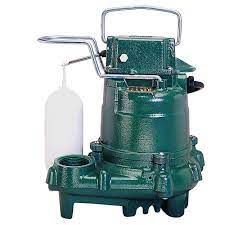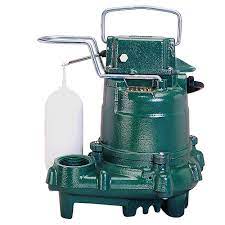


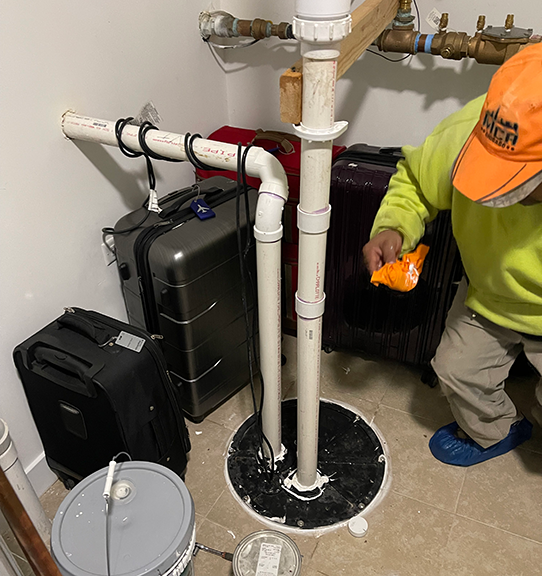
Sewage Ejector Pumps are an important part of any home or business's plumbing system. These powerful pumps can help to keep sewage and wastewater safely stored in a septic tank or sewer line by transporting it away from the building and into the main sewage line. While these pumps can be very reliable and long-lasting, they can sometimes experience problems that can cause them to require maintenance or repairs. In this article, we'll discuss why you need a sewage ejector pump installed, as well as how to troubleshoot and maintain it for optimal performance.
Sewage Ejector Pump Troubleshooting
The most common causes of sewage ejector pump failure are clogs and power outages. Clogs can be caused by a variety of things, including objects that have been flushed down the toilet, tree roots, and other debris. Power outages, on the other hand, can cause the pump to stop working due to a lack of electrical power.
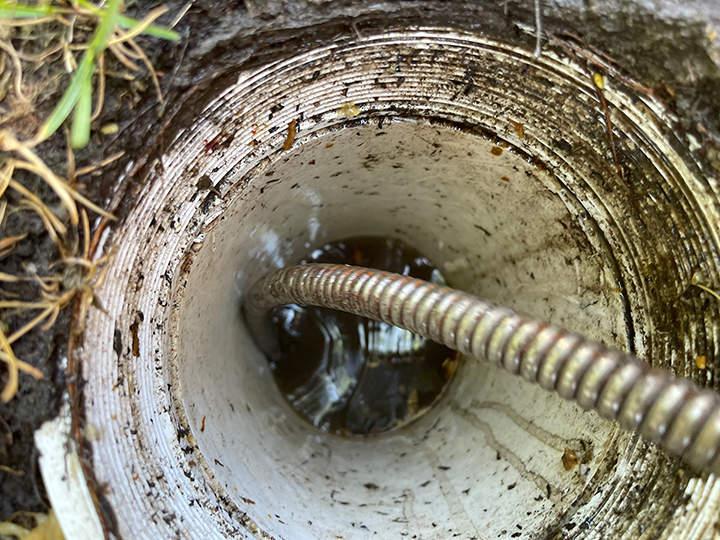
If your pump isn't working, the first thing you should do is check the power supply. If the power is on and the pump still isn't working, you should check for clogs. To do this, you'll need to locate the ejector pump and remove the cover. Once the cover is off, you should be able to see if there are any blockages in the discharge line. If there are, you'll need to clear them out before the pump can start working again.
Sewage Ejector Pump Maintenance
In order to ensure that your pump remains in good working condition, it is important to perform regular maintenance. This should include regularly checking the power supply and discharge line for clogs, as well as ensuring that the pump is securely mounted to the wall and that the electrical connections are secure. Additionally, you should periodically check the pump for any signs of wear or damage, and replace any worn or damaged parts as soon as possible.
It is also important to routinely clean the pump and remove any debris that has built up inside. You can use a wet/dry vacuum to do this, or you can use a garden hose with a nozzle attachment to gently spray the inside of the pump. It is important to not use too much pressure, as this could damage the pump.
Sewage Ejector Pump Installation
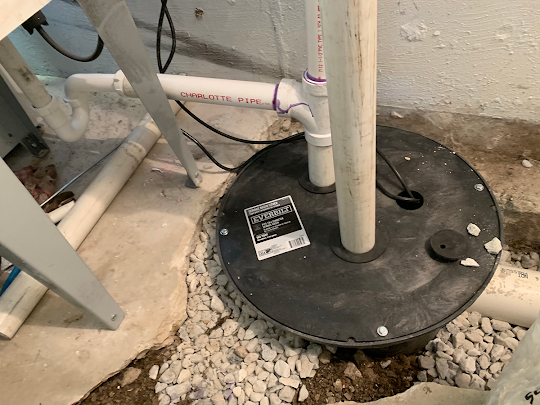
When installing a sewage ejector pump, it is important to ensure that the pump is properly sized for the job. The size of the pump you need will depend on the amount of wastewater that needs to be pumped, as well as the vertical distance between the pump and the main sewage line. Additionally, it is important to ensure that the pump is securely mounted to the wall and that the electrical connections are secure.
Once the pump is properly installed, you should test it by running some water through it. If the pump is working correctly, the water should be pumped through the discharge line without any problems. If the pump fails to pump the water, then you should check the power supply and discharge line for any clogs or blockages.
Sewage ejector pumps are an essential component of any home or business's plumbing system. While these pumps can be reliable and long-lasting, they can occasionally experience problems that can cause them to require maintenance or repairs. Understanding why you need a sewage ejector pump, as well as how to troubleshoot and maintain it for optimal performance, is key to keeping your plumbing system running smoothly.