


First-time mothers are concerned about incorporating pregnant dos and don'ts into their daily routines.
As a result of changing times and demanding lifestyles, women are experiencing a slew of health challenges. A maternity doctor is in charge of not only pregnancy, but also a number of other women's health issues. Most unmarried women are scared that their Gynaecologists will judge them if they discuss their reproductive health. If you are having problems with your pregnancy, go to Aashray Clinic,- which has an Obstetrician, Gynaecologist, and Infertility doctor in Nashik.
As a result, I wrote up the most common questions I get from patients on a regular basis.
Diet:
• Every day, a pregnant lady should have three main meals and three snacks. Salads, leafy greens, fruits, nuts, milk, and dairy products should all be included.
• A pregnant woman should eat small meals every two hours to maintain her blood sugar levels normal, as the infant in the womb need glucose all the time.
• Avoid eating packaged, processed, or junk food.
• Non-vegetarian food can be ingested as long as it is properly cooked and rinsed.
Caffeine:
• Each day, two cups of coffee, or 200 mg of caffeine, can be consumed.
• Avoid carbonated beverages, ice tea, and other caffeine-containing beverages, as they may cause babies to be born underweight.
• Avoid carbonated beverages, ice tea, and other caffeine-containing beverages because the increased caffeine concentration can result in low birth weight babies.
• Maintain appropriate hydration. Also, drink three liters of water throughout the day.
Exercise:
• Avoid back and stomach exercises.
• You can walk for 30 minutes in the morning and evening.
Rest:
• A pregnant lady should sleep for 8 hours on each side at night and 2 hours in the afternoon.
Clothing:
You should wear loose, comfortable clothing and flat shoes throughout your pregnancy. Any form of stress should also be avoided.
Travel:
• You can travel safely until 36 weeks pregnant as long as both you and your unborn child are healthy.
• The safest time to travel is between 14 and 28 weeks of pregnancy.
• Flying is not forbidden in simple conditions. Pregnancy
• Travel within the domestic and international 28-32 week period is permissible.
• Travelling is not recommended if you have pre-eclampsia, preterm labour, or twin pregnancy.
• Before you go, make an appointment with your obstetrician for a checkup.
Medication:
• Women who have pre-existing diseases such as epilepsy, diabetes, hypertension, asthma, or any other medical condition should consult with an obstetrician because they might create a variety of difficulties in the unborn child. You should discontinue these drugs while pregnant.
Take folic acid and vitamin D supplements
Folic acid significantly reduces your baby's risk of neural tube defects such as spina bifida.
As soon as you find out you're pregnant, start taking 400 micrograms of folic acid as a supplement until the end of the first trimester (week 12 of your pregnancy).
If you have diabetes or epilepsy, you may require a higher dose of folic acid. This is only available with a prescription. Find out more about folic acid.
It is also recommended to take a vitamin D supplement while pregnant or lactating. This encourages your child's development of healthy bones, teeth, and muscles.
You only require these two nutrients throughout pregnancy, along with a healthy, balanced diet.
Don’ts
Smoking: Genetic abnormalities such as cleft lip and palate, premature birth, and low birth weight are also at risk.
Alcohol: It is associated with unique facial traits and central nervous system problems.
No Sauna or heat baths: A spike in body temperature may have an impact on the baby's growth.
Pets: Pet litter should not be cleaned since it includes parasites such as Toxoplasma gondii, which can be harmful to a baby's health.
Dr. Pooja Kadam is an obstetrician and gynecologist and currently, she is practicing at Aashray Clinic based in Nashik and has experience in the field of gynecology for the last 7 years.


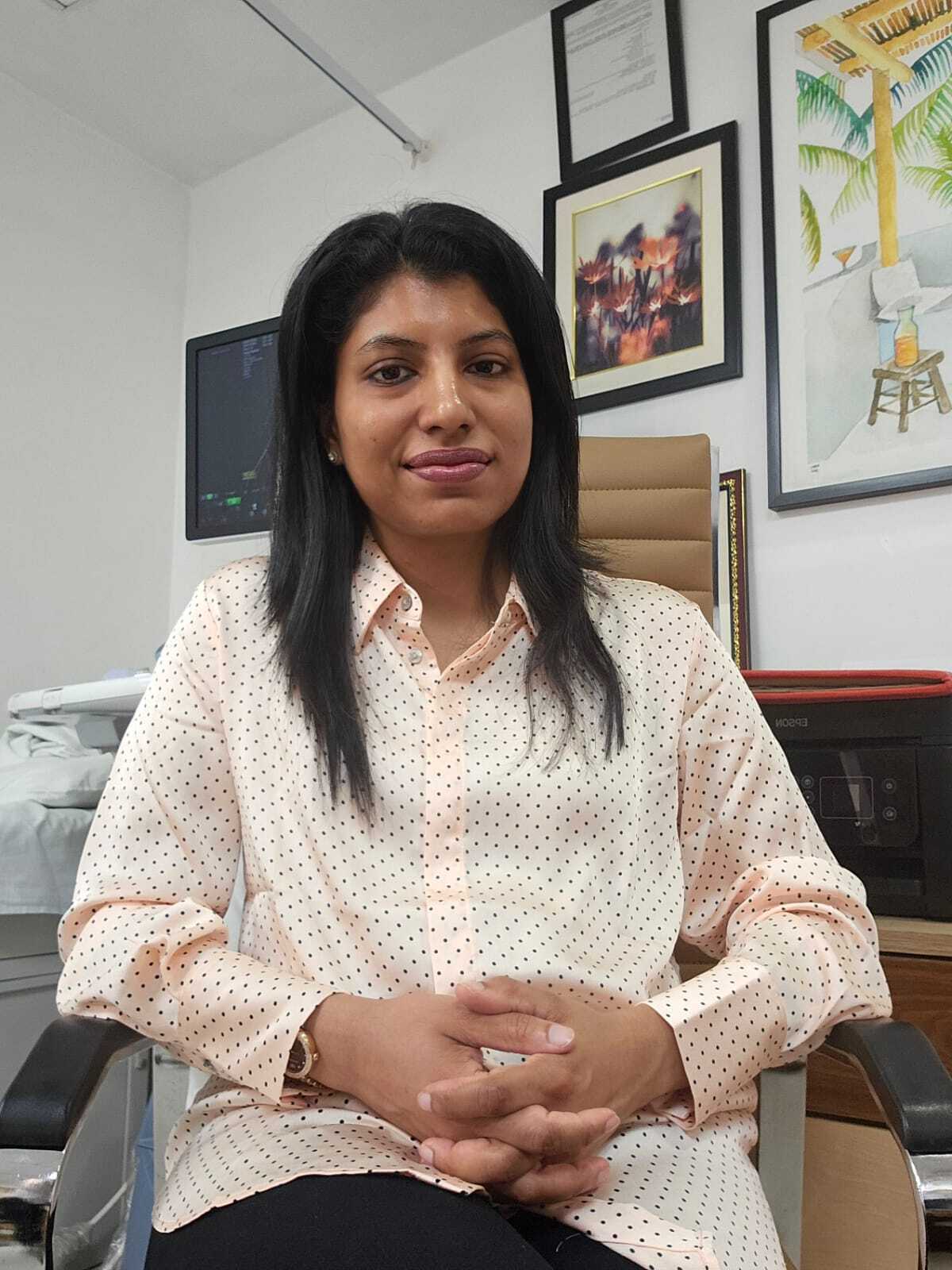

Gynecologists are doctors who focus on women’s health and the female reproductive system.
There are some top gynecologists working in the best gynecologist hospital in Mumbai.
In our article we have a list of the Best Gynecologist in Mumbai